2025 Guide: How to Choose the Best Basement Pump for Your Home
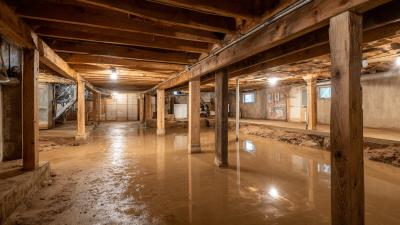
When it comes to protecting your home from water damage, an effective basement pump is a crucial investment. Statistics show that around 60% of homes in the United States experience some form of basement water issue, highlighting the importance of choosing the right basement pump to prevent costly repairs and health hazards. With various types of pumps available, including submersible, pedestal, and battery backup systems, homeowners must navigate the unique features and performance characteristics of each option to find the best fit for their specific needs.
In recent years, the market for basement pumps has evolved significantly, driven by advancements in technology and increasing consumer awareness about water damage prevention. According to a report by Grand View Research, the global sump pump market size is expected to reach $1.1 billion by 2025, reflecting a growing recognition of the necessity for reliable basement drainage solutions. By understanding the different types of basement pumps and their functionalities, homeowners can make informed decisions that enhance both the safety and resale value of their properties.
Key Factors to Consider When Selecting a Basement Pump for Home Use
When selecting a basement pump for your home, it is essential to consider several key factors to ensure optimal performance and reliability. First, the type of pump should align with your specific needs.
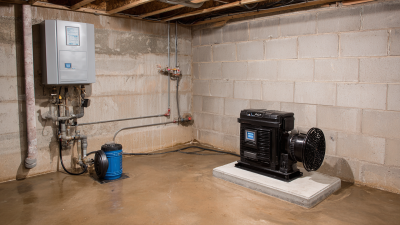
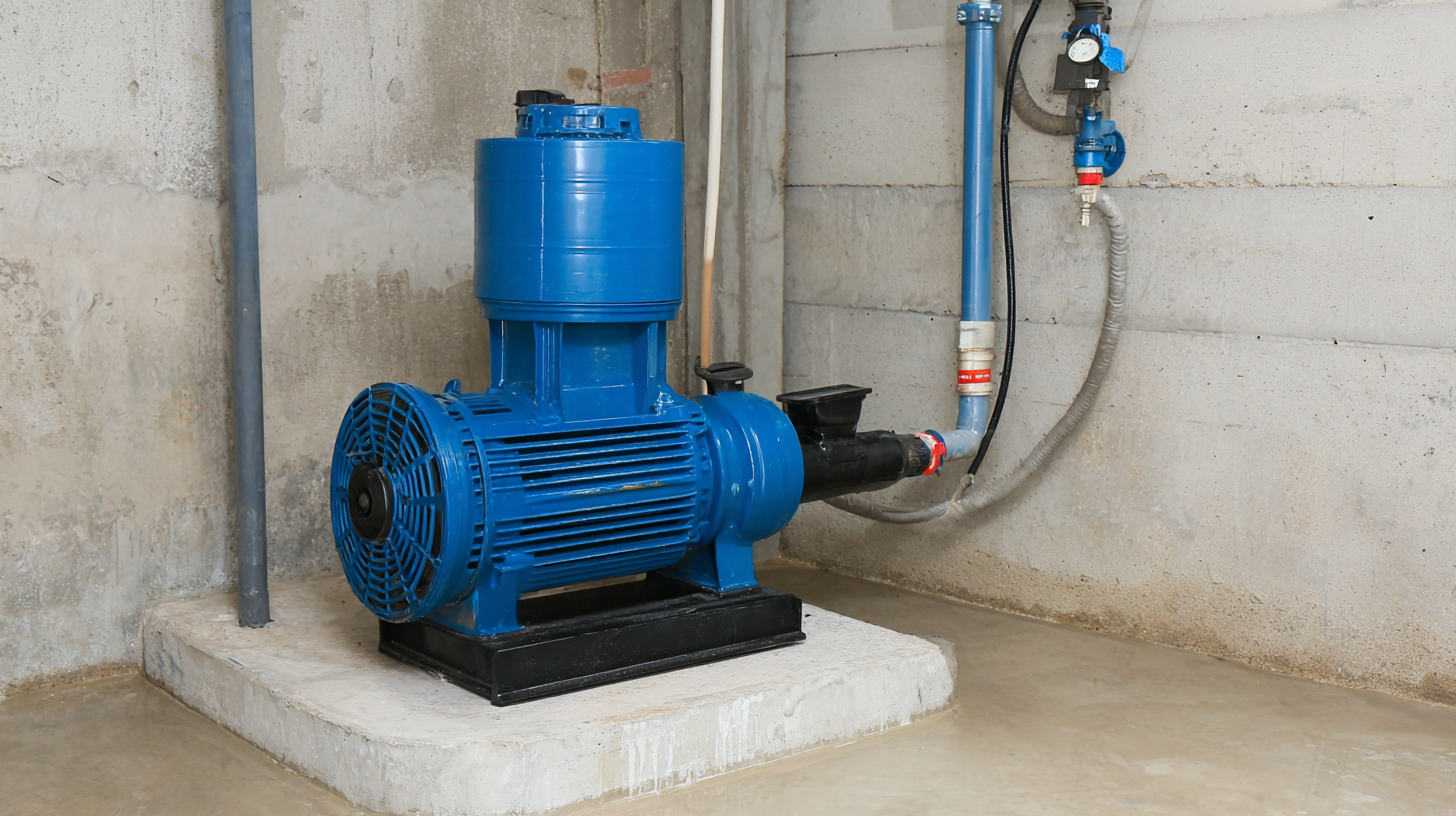 Submersible sump pumps are designed to be submerged in water, efficiently removing excess water from your basement, while submersible sewage pumps are better suited for handling wastewater and can manage larger solid particles. Understanding the distinction between these types is crucial for effective operation.
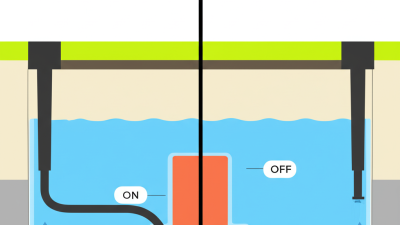
Another important factor to evaluate is the pump's horsepower and capacity. Higher horsepower allows for greater water removal, which is particularly important in areas prone to flooding. Additionally, consider the pump's construction materials and durability, especially if you expect it to operate under harsh conditions. Features such as an automatic shut-off, float switch mechanisms, and backup power options are also worth noting, as they can enhance the pump's functionality and reliability, providing peace of mind during heavy rainfall or unexpected emergencies.
Top Features to Look for in a Reliable Basement Pump
When selecting a reliable basement pump for your home, several key features should be at the forefront of your decision-making process. First and foremost, consider the pump's power and capacity. Look for a model that can handle the specific water volume of your basement, which is crucial during heavy rainfall or flooding events. A pump with a higher horsepower and a suitable gallon-per-hour (GPH) rating will ensure efficient drainage and protection against water damage.
Another vital feature to examine is the material and build quality of the pump. Opt for pumps made with corrosion-resistant materials, as they will last longer, especially in damp basement conditions. Additionally, a good basement pump should have a reliable switch mechanism. Automatic float switches are preferable because they activate the pump when water rises to a certain level, providing peace of mind and ensuring the unit operates without constant monitoring. Lastly, consider energy efficiency when choosing a model; a pump that consumes less electricity will save you money on utility bills while still delivering powerful performance.
2025 Guide: Key Features of Reliable Basement Pumps
Comparison of Leading Basement Pump Brands in 2025
When selecting the best basement pump for your home in 2025, it's crucial to compare the leading brands available in the market. Key players include Wayne, Zoeller, and Liberty Pumps, each offering unique features tailored to different user needs. Wayne pumps are recognized for their reliability and performance, often favored for residential use, while Zoeller is celebrated for innovation, bringing advanced technology and durability into its models. Liberty Pumps, on the other hand, provides a range of products focusing on energy efficiency, making them an excellent choice for environmentally conscious homeowners.
In addition to performance and reliability, it's essential to consider warranty options and customer support when comparing these brands. Wayne typically offers extensive warranties that assure confidence in their products, while Zoeller prides itself on superior customer service. Liberty Pumps stands out with eco-friendly designs that can potentially reduce energy costs. By evaluating these aspects alongside price and user reviews, homeowners can make informed decisions about which basement pump will best suit their needs and ensure a safe, dry environment in 2025.
Maintenance Tips for Ensuring Your Basement Pump's Longevity
When it comes to ensuring the longevity of your basement pump, regular maintenance is crucial. According to a report by the American Society of Home Inspectors, nearly 60% of basement moisture problems are attributed to inadequate sump pump maintenance. To mitigate these issues, it's essential to routinely check the pump for clogs and debris. Make it a habit to inspect the sump pit at least once a season to ensure the float switch is clear and functioning correctly.
Another key aspect of maintenance involves testing the pump's operation. The National Association of Home Builders suggests that homeowners should conduct a test each spring by pouring water into the pit to activate the pump. This practice not only confirms the pump's functionality but also helps in identifying potential failures before heavy rainfall or snowmelt occurs. Additionally, consider investing in a battery backup system, as studies indicate that nearly 30% of sump pumps fail during a power outage, which can be particularly disastrous in storm-prone areas. Regular servicing, including professional inspections every few years, can further enhance your pump's reliability and extend its lifespan.
Cost Analysis: Budgeting for Your Ideal Basement Pump
When budgeting for a basement pump in 2025, it’s crucial to assess both the initial purchase price and the long-term operational costs. A variety of factors influence the costs, including pump type, horsepower, and features. Submersible pumps tend to be more expensive upfront but can offer greater efficiency and reliability, making them a worthwhile investment for long-term basement protection. Additionally, consider models that come with warranties—these can save money on repairs over time and provide peace of mind.
In conjunction with a pump, a dehumidifier is essential for maintaining a dry environment in the basement. The right dehumidifier will work in tandem with your pump, controlling humidity levels and preventing mold and mildew from developing. When selecting a dehumidifier, evaluate its energy efficiency and the size of the area it can effectively cover. By accounting for both a quality pump and a dehumidifier in your budget, you will enhance your basement's resilience against flooding and moisture, ensuring a safer and more comfortable space at home.