2026 Top Sump Pump Battery Backup Systems Compared?
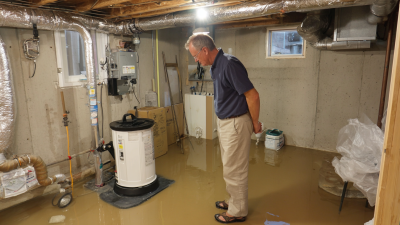
A basement can flood quietly, then overwhelm a pump within minutes. Heavy rain, a failed float switch, or a neighborhood power outage can expose weak protection quickly. This guide compares the 2026 top sump pump battery backup systems under those practical conditions, not just through attractive specifications.
Larry Janesky, founder of Basement Systems, describes the sump pump as “the heart of your basement waterproofing system.” That principle matters here. A sump pump battery backup system must support the primary pump when electricity fails, but dependable protection involves more than battery capacity. We examine pumping performance, battery chemistry, estimated runtime, transfer speed, alarm visibility, and compatibility with existing pits. We also consider installation space, maintenance demands, and replacement costs.
Real basements are imperfect. Pits may be narrow. Discharge pipes may freeze. Batteries may sit for years without a serious test. Some manufacturers provide optimistic runtime figures, measured under controlled conditions. Actual performance can change with pumping height, water inflow, temperature, and battery age. That deserves attention.
This comparison separates useful safeguards from convenient marketing claims. It favors systems with clear manuals, tested safety features, accessible parts, and responsive manufacturer support. A high-capacity unit is not automatically the best choice. Neither is the cheapest option.
Small details matter.
For example, a loud alarm may protect a sleeping homeowner, while a sealed battery can reduce maintenance. We also identify limitations openly, because no sump pump battery backup system fits every basement. The final choice should match your pit, plumbing layout, flood risk, and tolerance for maintenance—not a ranking alone.
What Battery Backup Sump Pump Systems Do and When They Activate
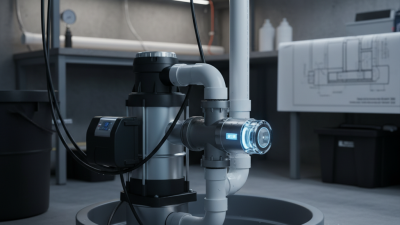
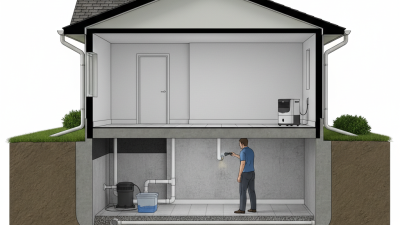
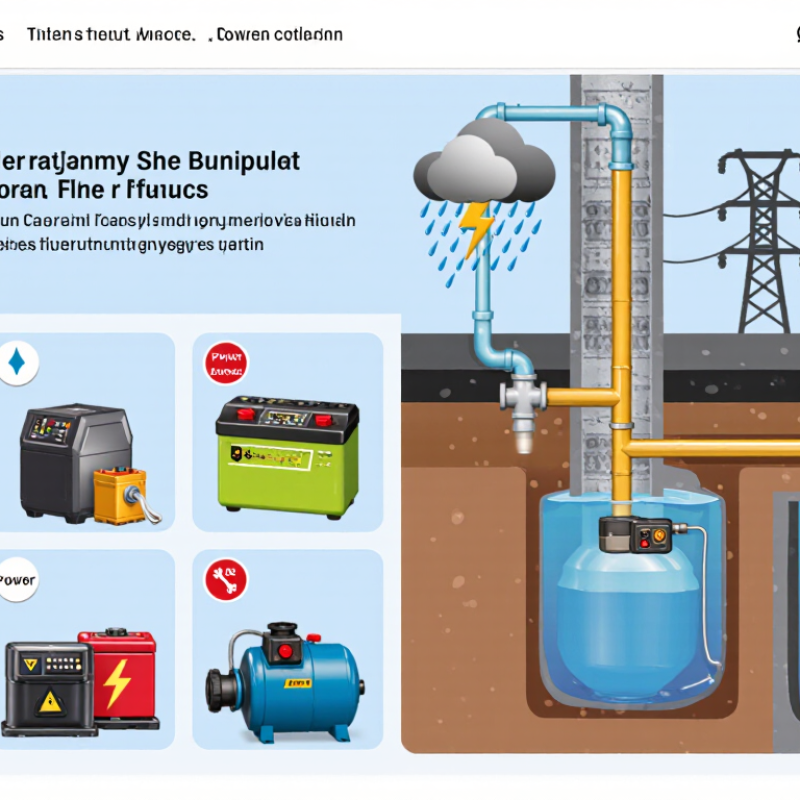
A battery backup sump pump keeps water moving when the primary pump stops. It usually activates after a power outage, motor failure, or rising water level. A separate float switch detects the higher level and starts the backup pump automatically. Some systems also sound an alarm when the battery weakens or the pump runs continuously.
The trigger point matters. If the backup activates too late, water may already reach stored boxes or electrical equipment. FEMA’s National Flood Insurance Program states that one inch of floodwater can cause about $25,000 in damage. NOAA recorded 27 U.S. billion-dollar weather and climate disasters in 2024, showing why basement protection deserves practical attention. However, a battery system is not a magic shield. Runtime depends on battery capacity, discharge rate, pump height, and the distance water travels. A pump moving water uphill works harder.
Check the battery every few months. Test the float switch with water, not only the test button. Many homeowners overlook the discharge pipe during freezing weather. That mistake can defeat a working pump. Sealed lead-acid batteries remain common, while lithium options may offer longer service life but require careful compatibility checks. The U.S. Department of Energy notes that battery performance changes with temperature, so a cold basement can reduce expected runtime. Labels can look reassuring. Field conditions are less predictable.
Pump Performance Compared: 1,800–2,400 GPH at 10 Feet of Head
For 2026 battery backup sump systems, the meaningful comparison is flow at 10 feet of head. A rated output of 1,800–2,400 GPH equals roughly 30–40 gallons per minute. That range can move standing water quickly, but only when the discharge pipe, check valve, and elbows match the test setup.
Hydraulic Institute guidance, including ANSI/HI 14.6, stresses testing pumps across a measured head-flow curve rather than using one attractive rating. At 10 feet, a 2,400 GPH claim should be checked against actual measurements, not free-flow output. The U.S. Department of Energy’s Pumping System Assessment Tool also shows why system resistance matters: friction losses rise as flow increases. Small pipe restrictions can reduce practical output.
Battery capacity changes the comparison. A pump producing 40 GPM may drain a battery faster than one producing 30 GPM. Field testing should record gallons moved, discharge height, voltage, and runtime. UL 778 provides relevant safety criteria for motor-operated water supply pumps, but it does not guarantee identical backup performance in every basement. That distinction matters.
I would inspect the float switch closely. A slow switch can waste valuable battery time. One weak point remains: many published figures omit battery age and pipe length. That makes direct ranking imperfect. Still, systems sustaining near 1,800 GPH at 10 feet deserve attention, while results near 2,400 GPH offer stronger storm protection when verified under comparable conditions.
2026 Top Sump Pump Battery Backup Systems Compared — Pump Performance Compared: 1,800–2,400 GPH at 10 Feet of Head
| System |
Pump Type |
Rated Flow at 10 ft of Head |
Discharge Size |
Recommended Battery |
Battery Voltage |
High-Water Alarm |
Pump Activation |
Best Use |
| System A |
Submersible DC backup pump |
1,800 GPH |
1-1/2 in. discharge |
Deep-cycle marine battery |
12 V |
Audible and visual |
Automatic float switch |
Compact sump pits and moderate water inflow |
| System B |
Submersible DC backup pump |
2,000 GPH |
1-1/2 in. discharge |
Sealed lead-acid battery |
12 V |
Audible alarm with status indicator |
Electronic water-level sensor |
Homes requiring automatic backup during outages |
| System C |
High-flow submersible DC pump |
2,200 GPH |
1-1/2 in. discharge |
Deep-cycle AGM battery |
12 V |
Audible and visual |
Dual-float activation |
Higher inflow rates and deeper discharge runs |
| System D |
High-output submersible DC pump |
2,400 GPH |
1-1/2 in. discharge |
Deep-cycle AGM battery |
12 V |
Audible alarm with test function |
Electronic sensor and backup float |
High-risk basements and frequent power interruptions |
| System E |
Compact DC backup pump |
1,900 GPH |
1-1/4 in. discharge |
Deep-cycle marine battery |
12 V |
Visual indicator |
Mechanical float switch |
Secondary protection where installation space is limited |
Performance figures are representative pump ratings at 10 feet of total head. Actual flow can vary with battery condition, pipe length, fittings, check-valve resistance, installation height, and battery capacity. Battery runtime is not included because it depends substantially on pump cycling frequency and the selected battery.
Battery Options Explained: 75–120 Ah Deep-Cycle Capacity and Runtime
A 75–120 Ah deep-cycle battery is a practical range for sump pump backup systems. Capacity alone, however, does not predict runtime. A 12-volt, 100 Ah battery stores roughly 1,200 watt-hours before losses. In real conditions, the pump, inverter, wiring, and battery age reduce usable energy.
A 500-watt pump may draw about 4,000 watts during startup for a brief moment. Running demand can reach 700 watts, depending on water pressure and motor design. At that load, a 100 Ah lead-acid battery may provide around one to two hours of intermittent pumping. A lower-load pump can run much longer. My first estimate ignored startup surges. That was a mistake. Check the pump’s locked-rotor rating, not only its running wattage.
Flooded lead-acid batteries usually cost less, but they need ventilation, inspection, and occasional water checks. AGM batteries are sealed and cleaner, though repeated deep discharges can shorten their service life. Lithium iron phosphate batteries are lighter and often provide more usable capacity, but their charging requirements and cold-weather limits deserve careful attention. A 75 Ah battery may suit a modest pump with limited flooding risk. A 120 Ah unit offers more reserve during extended outages, but it also adds weight and charging time. Test the system every few months. Batteries can fail quietly, especially after several winters.
2026 System Types Compared: DC Pumps, Inverters, and Dual-Pump Designs
A sump backup system should match the failure you expect. DC pumps connect directly to a battery, avoiding inverter losses and reducing conversion complexity. They usually suit dedicated backup duty, especially during short outages. A 12-volt, 100-amp-hour battery stores about 1.2 kilowatt-hours theoretically, but aging, temperature, and pump load reduce usable energy. Runtime is deceptive.
Inverters keep an existing AC pump operating, which simplifies replacement planning. However, starting surges can exceed the inverter’s continuous rating.
Dual-pump designs add a separate pump and float control, offering better protection when one pump clogs or fails.
The need is not theoretical. NOAA’s National Centers for Environmental Information recorded 27 U.S. billion-dollar weather and climate disasters in 2024, with total damage near 183 billion dollars. FEMA’s National Risk Index also reports major expected annual losses from flood hazards nationwide. These figures do not predict basement flooding, but they justify layered protection.
A dual-pump system gives the strongest redundancy, while a DC system often delivers the clearest battery calculation. An inverter may be practical when the primary AC pump is already reliable. I would still test every system under real flow conditions, not only with a dry float switch.
Battery labels can look reassuring. They are not guarantees. Check discharge ratings, recharge time, alarm visibility, and discharge-pipe capacity before installation.
Safety and Ownership Metrics: 12–24 V Systems, Alarms, Testing, and Cost
2026 Top Sump Pump Battery Backup Systems Compared?
Safety and Ownership Metrics: 12–24 V Systems, Alarms, Testing, and Cost
Voltage is only one part of backup performance. A 12-volt system may suit a smaller pump and shorter discharge line. A 24-volt system often reduces current draw and cable losses. However, battery capacity, pump efficiency, and head height determine real runtime. Compare watt-hours, not voltage alone.
Alarm quality deserves equal attention. A useful unit provides a loud indoor alarm, a visible fault light, and clear low-battery warnings. Some systems can send remote notifications, but these depend on power and network availability. Test the alarm with the pump disconnected, then restore normal operation. A silent fault is a serious ownership risk.
Test it quarterly.
During each test, raise the float, confirm automatic starting, and check water flow outside. Inspect terminals for corrosion, cables for heat damage, and the charger for unusual noise. Flooded batteries may require ventilation and fluid checks; sealed batteries reduce maintenance but still age. Replacement timing varies, often around three to five years under moderate conditions.
Purchase cost can mislead. Include the battery, discharge hose, charger, alarm accessories, electricity, and future replacement. A cheaper system may need earlier battery changes. I would not judge value from runtime claims alone. Basement conditions differ, and my own estimate could be wrong without measuring pump load. Follow the installation manual and have electrical work checked by a qualified professional when necessary.
2026 Top Sump Pump Battery Backup Systems Compared
Safety and ownership metrics for generic 12–24 V architectures
Assumptions: a 300 W backup load and a 100 Ah battery bank. Current is calculated as power divided by voltage, while stored energy is calculated as voltage multiplied by amp-hours; real runtime is lower because of inverter, pump, battery, and wiring losses. A 24 V bank normally uses two matched 12 V batteries in series, reducing current and cable losses but increasing battery replacement cost. For safety, verify power-failure, high-water, and low-battery alarms at least quarterly and replace batteries according to measured capacity and manufacturer guidance.