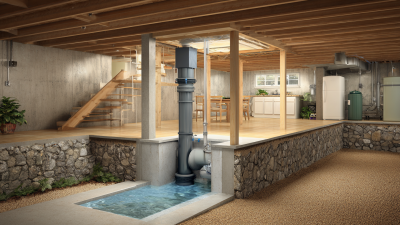
Top 5 Backup Power Solutions for Sump Pumps to Prevent Flooding
In recent years, the demand for reliable backup power solutions for sump pumps has surged, reflecting a growing awareness of the risks associated with flooding and water damage. According to the Federal Emergency Management Agency (FEMA), flooding is one of the most common and widespread natural disasters in the United States, accounting for over 90% of all declared disasters. With nearly 14,000 flood claims filed annually, homeowners are increasingly looking for ways to safeguard their properties against water intrusion.
Backup power for sump pumps is a critical element in preventing property damage, especially during severe weather events. A study by the National Flood Insurance Program highlights that the average flood claim amounts to around $30,000, a staggering figure that underscores the financial implications of inadequate flood preparedness. Investing in robust backup power solutions not only protects homes but also ensures peace of mind against unexpected power outages that can leave sump pumps inoperable during crucial moments.
This article will explore the top five backup power solutions for sump pumps, equipping homeowners with the knowledge to select effective systems that can provide continuous operation and keep basements dry even amidst the most challenging conditions. By understanding these options, homeowners can make informed decisions that will enhance their flood resilience and protect their investments.
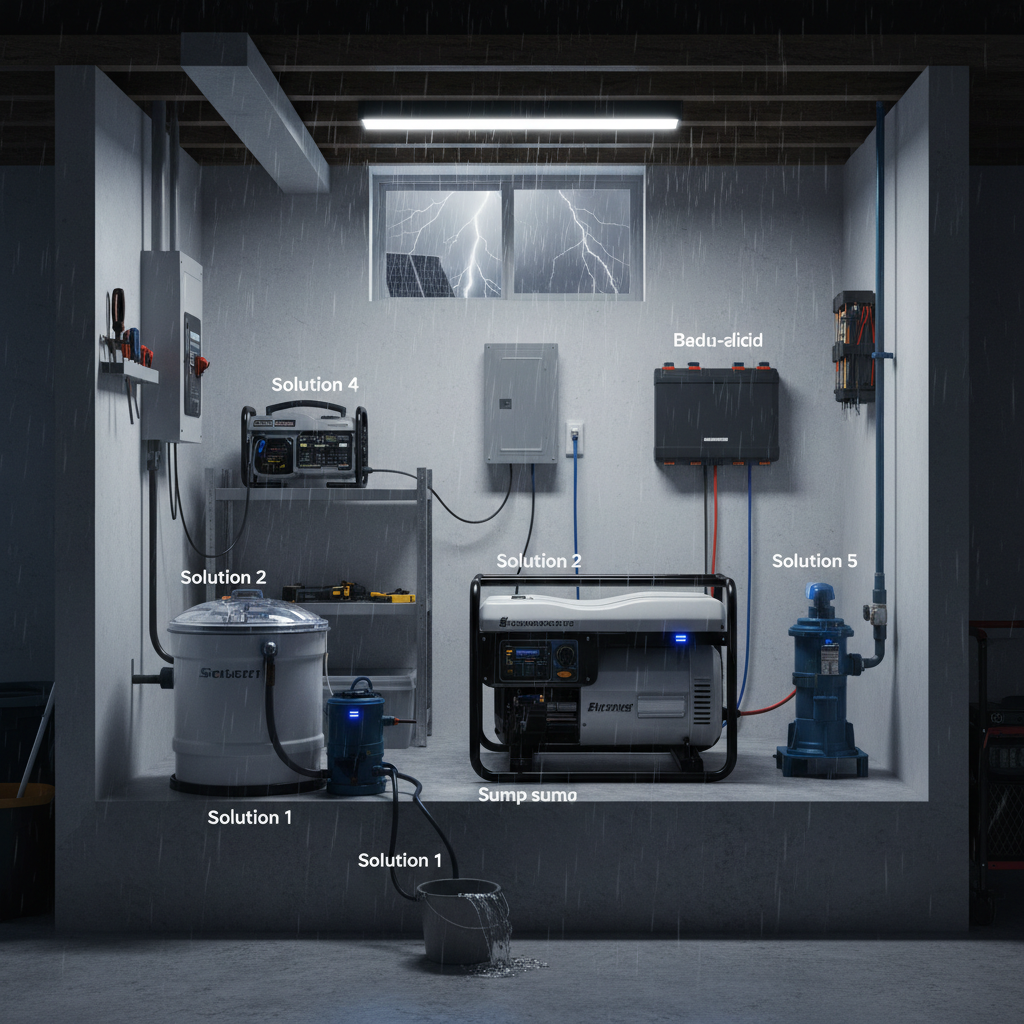
Understanding the Importance of Backup Power for Sump Pumps
Backup power solutions for sump pumps are essential to prevent flooding, especially during severe weather or power outages. Sump pumps play a critical role in draining excess water from basements or crawl spaces, and a failure in power supply can lead to catastrophic water damage. Understanding the importance of having a reliable backup power source is crucial for homeowners who wish to protect their property.
When choosing a backup power solution, consider installing a battery backup system specifically designed for sump pumps. These systems can automatically take over when the main power is interrupted, ensuring your sump pump continues to function. Additionally, regular maintenance of both your sump pump and backup power system is key to reliability. Always test your sump pump and battery backup every few months to ensure they are operational.
Tip: If you reside in an area prone to flooding, consider investing in a dual-power sump pump, which operates on both electricity and battery, providing peace of mind that your home is safeguarded against rising water levels. Another helpful tip is to check local regulations regarding backup power systems to ensure compliance and optimal performance.
Types of Backup Power Solutions for Sump Pumps: An Overview
When it comes to preventing flooding in basements, exploring various backup power solutions for sump pumps is essential. There are multiple types of backup power systems available, including portable generators, battery backup systems, and uninterruptible power supplies (UPS). Each option comes with its own advantages, allowing homeowners to select a solution that suits their specific needs.
Tips: Consider the layout of your home and the frequency of power outages in your area when choosing a backup system. Portable generators are highly versatile, providing power wherever it's needed, while battery backup solutions can offer convenience during planned outages without the need for fuel.
Additionally, it's important to ensure that your backup system can adequately support your sump pump. Regular maintenance and testing of these systems can prevent unexpected failures when you need them most. By investing in the right backup power solution, you can enjoy peace of mind knowing your home is protected against flooding.
Advantages of Battery-Powered Backup Systems for Sump Pumps
Battery-powered backup systems for sump pumps present numerous advantages, making them a wise choice for homeowners looking to prevent flooding. One of the most significant benefits is their ability to operate independent of the main power supply. In the event of a power outage, which often coincides with severe weather conditions that can lead to flooding, these backup systems ensure that the sump pump continues to function. This reliability is crucial for maintaining a dry basement, especially in areas prone to heavy rainfall or snowmelt.
Additionally, battery-powered backup systems typically offer easy installation and maintenance. Many models come with user-friendly features, such as automatic chargers and alarms, that alert homeowners when the battery is running low or when maintenance is needed. This ease of use ensures that the system remains operational without requiring extensive technical knowledge or frequent monitoring. With the peace of mind that comes from knowing their sump pump will keep working during emergencies, homeowners can better protect their property from costly water damage.
Top 5 Backup Power Solutions for Sump Pumps to Prevent Flooding - Advantages of Battery-Powered Backup Systems for Sump Pumps
| Backup System Type |
Power Source |
Run Time |
Advantages |
Disadvantages |
| Lead Acid Battery Backup |
Lead Acid Battery |
3-4 hours |
Cost-effective, reliable |
Heavyweight, shorter lifespan |
| Lithium-Ion Battery Backup |
Lithium-Ion Battery |
5-7 hours |
Lightweight, longer lifespan |
Higher initial cost |
| Water-Powered Backup System |
Municipal Water Supply |
Unlimited |
No electricity needed, eco-friendly |
Dependent on water pressure |
| Generator Backup |
Gasoline/Diesel |
Up to 10 hours |
High output, fast refueling |
Noise, requires fuel |
| Hybrid Backup System |
Combination of Batteries and Generator |
Variable |
Versatile, reliable in various conditions |
Complex installation, higher cost |
Exploring Generator Options for Reliable Sump Pump Performance
When it comes to protecting your home from flooding, reliable backup power solutions for sump pumps are essential. Sump pumps often rely on electricity to function, and during severe weather conditions, power outages can leave your basement vulnerable to water damage. Exploring generator options is a proactive approach to ensure uninterrupted sump pump operation, even when the grid goes down.
One effective option is a portable generator. These generators can be easily transported and set up during storms, providing sufficient power to keep your sump pump running. However, it’s crucial to select a generator with an adequate wattage rating to handle the pump's requirements. Alternatively, a standby generator can offer a more permanent solution. Installed outside your home, these generators activate automatically during a power outage, ensuring that your sump pump operates seamlessly without your manual intervention. Both options provide peace of mind, safeguarding your property from potential flooding while enhancing the reliability of your sump pump system.
Evaluating the Cost-Effectiveness of Backup Power Solutions for Flood Prevention
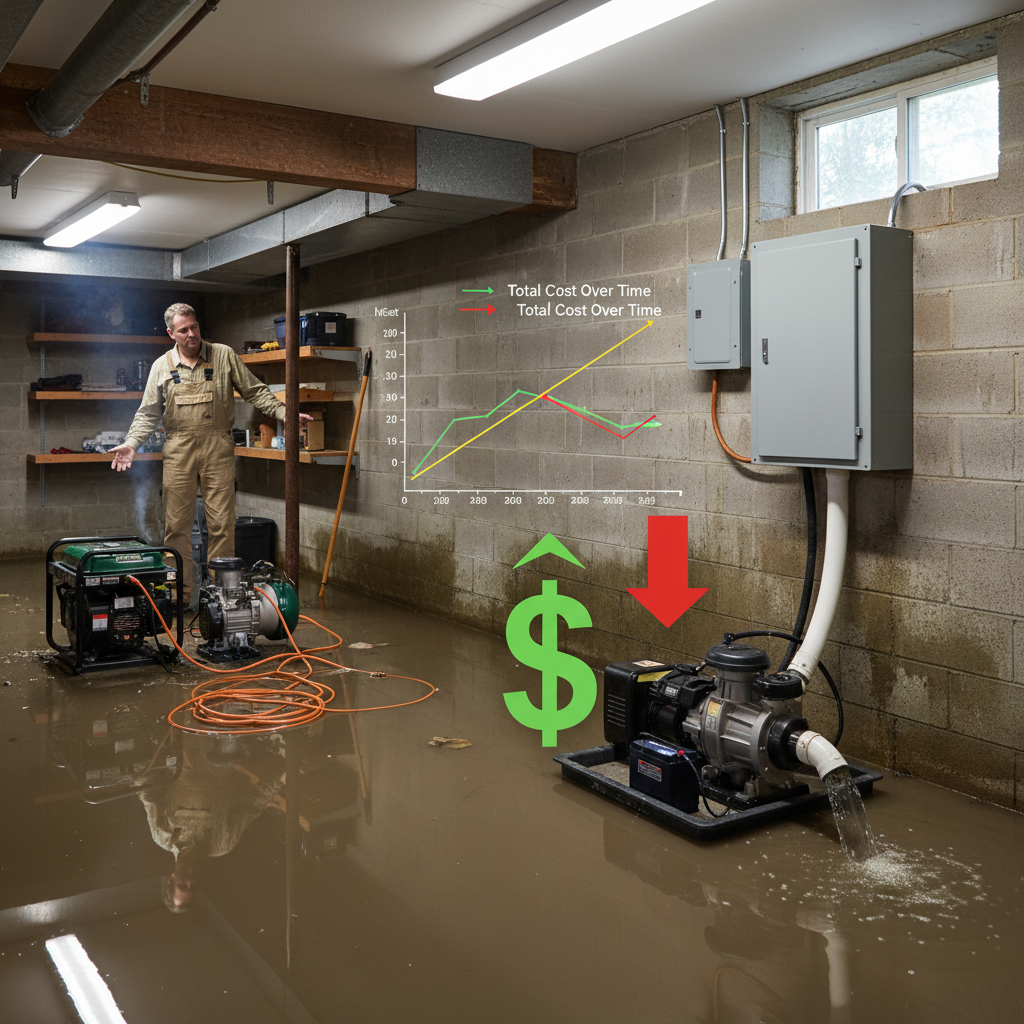
When considering backup power solutions for sump pumps, evaluating their cost-effectiveness is crucial in flood prevention scenarios. The foremost factor to assess is the initial investment versus the long-term savings and benefits. For example, a portable generator may appear inexpensive upfront but can lead to higher operational costs and potential reliability issues during extended power outages. In contrast, a standby generator, while more costly initially, offers greater reliability and longevity, thus ensuring continuous pump operation even during severe weather events.
Additionally, the effectiveness of a backup solution should be measured by its capacity to handle various scenarios. For instance, solar-powered systems have become increasingly popular due to their sustainability and low maintenance costs, yet their effectiveness can be hampered by weather conditions and geographical location. It’s essential for homeowners to calculate the total costs, including installation and maintenance, while also considering the potential damage that flooding can cause. By carefully weighing these factors, homeowners can make informed decisions about which backup power solution offers the best financial protection against flooding risks.