What is a Back Up Sump Pump System and Why You Need One
A back up sump pump system is an essential safeguard for homeowners, particularly those residing in areas prone to flooding or with high water tables. This system serves as an additional layer of protection against water intrusion in basements or crawl spaces, ensuring that excess water is effectively managed even when the primary sump pump fails. Without a back up sump pump system, homes are at risk of significant water damage, which can lead to costly repairs and the growth of mold and mildew.
The necessity for a back up sump pump system becomes apparent during storms or power outages when the primary pump may struggle to keep up with the sudden influx of water. This secondary system operates independently, often powered by a battery or water pressure, providing peace of mind for homeowners. Understanding the functionality and importance of a back up sump pump system is vital for maintaining a safe and dry living environment, ultimately protecting your property and investment from the devastating effects of water damage.
What is a Back Up Sump Pump System?
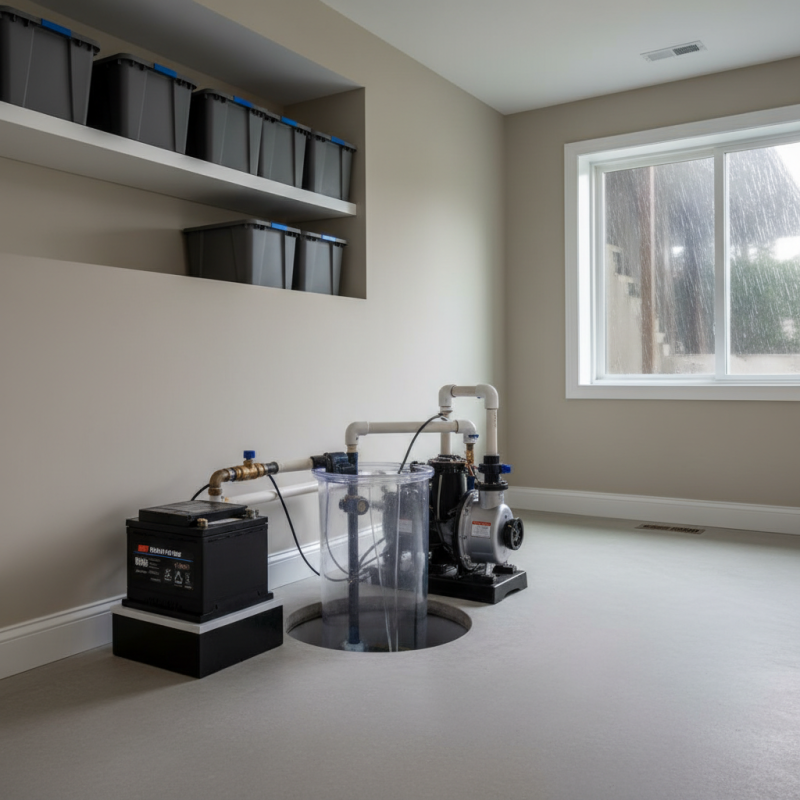
A backup sump pump system is a vital installation for homeowners, particularly in regions prone to heavy rainfall or flooding. It serves as an additional line of defense against water accumulation in the basement or crawl space. The primary function of a backup sump pump is to activate when the main pump fails, either due to power outages, mechanical failure, or overwhelming water levels. This redundancy is crucial for protecting your home from significant water damage, mold growth, and structural issues caused by prolonged moisture exposure.
Typically, a backup sump pump system operates on battery power or an alternative power source, ensuring it remains functional even during electrical disruptions. These systems are designed to automatically kick in when needed, offering peace of mind to homeowners. Furthermore, they can handle high water flow rates, making them extremely effective in emergency situations. Installing a backup sump pump system is not just a precautionary measure; it's an essential investment in safeguarding your home and preserving its value over time.
What is a Back Up Sump Pump System and Why You Need One
| Feature |
Description |
Benefits |
| Primary Sump Pump |
The main pump responsible for removing excess water from the basement. |
Prevents flooding and water damage to your home. |
| Back Up Sump Pump |
A secondary pump that activates when the primary fails or during power outages. |
Provides peace of mind and additional protection against water damage. |
| Power Source |
Can be battery-powered or connected to a generator. |
Ensures operation during power failures, maintaining basement dryness. |
| Maintenance |
Regular inspections and testing of both pumps. |
Ensures reliability and functionality when needed most. |
| Cost of Installation |
Installation costs can vary; typically, a few hundred to a thousand dollars. |
Investing in a system can save significant costs from water damage repairs. |
Key Components of a Back Up Sump Pump System
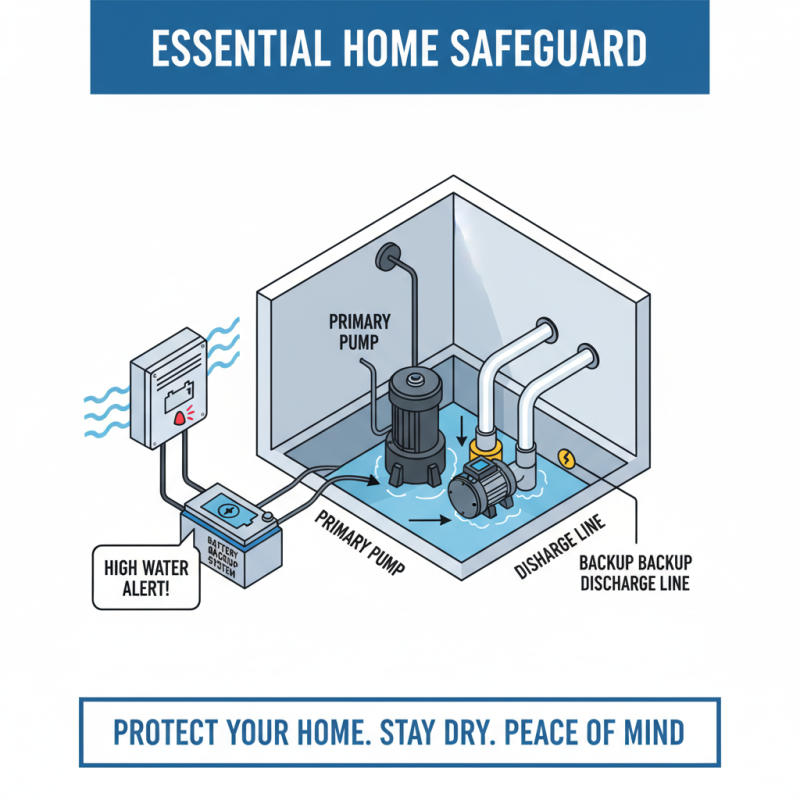
A back up sump pump system is an essential safeguard for homeowners, particularly in regions prone to heavy rainfall or flooding. This system typically consists of several key components designed to work in harmony to ensure that your basement remains dry even in the event of a primary pump failure. The main components include a secondary sump pump, a battery backup system, an alarm system, and dedicated discharge lines.
The secondary sump pump is typically a submersible pump that activates when the primary pump is overwhelmed or fails. According to the American Society of Home Inspectors, nearly 60% of homes in the U.S. experience some form of water damage, highlighting the importance of having a reliable backup system. The battery backup system provides power to the pump during electrical outages, ensuring it remains operational when you need it most. Additionally, an alarm system alerts homeowners of potential failures or high water levels, allowing for timely intervention. The dedicated discharge lines are crucial as they direct water away from the foundation, preventing water from seeping back into the home.
Integrating a back up sump pump system into your home not only protects your property but can also increase its value. Statistics from the Insurance Information Institute indicate that water damage is one of the leading causes of homeowner claims, underscoring the cost-effectiveness of preventive measures like these systems. A well-designed backup sump pump system can ultimately save homeowners thousands of dollars in potential damages and repairs, making it a wise investment for home protection.
Benefits of Installing a Back Up Sump Pump
A back up sump pump system is an essential feature for homeowners, especially in areas prone to flooding or heavy rainfall. The primary benefit of installing a back up sump pump is peace of mind. This system works in conjunction with your primary sump pump to provide an extra layer of protection. Should the main pump fail or become overwhelmed, the backup pump activates automatically, ensuring that water is continuously removed from your basement or crawl space. This can prevent significant water damage, mold growth, and costly repairs.
Another significant advantage is the added reliability during power outages. Many sump pumps rely on electricity to function, and in severe weather conditions, power outages are common. A battery-operated or water-powered backup sump pump system can operate independently of the electrical grid, offering protection when it’s needed most. This reliability is vital for an effective flood prevention strategy.
Tips: Regular maintenance of both the primary and backup sump pumps is crucial for optimum performance. Check batteries and connections for the backup system frequently, and ensure that the discharge lines are clear of debris. Additionally, consider testing the system monthly to guarantee it activates as intended during a power failure or pump failure scenario. Fostering a proactive approach can save you from facing devastating flooding consequences.
Common Issues Resolved by Back Up Sump Pumps
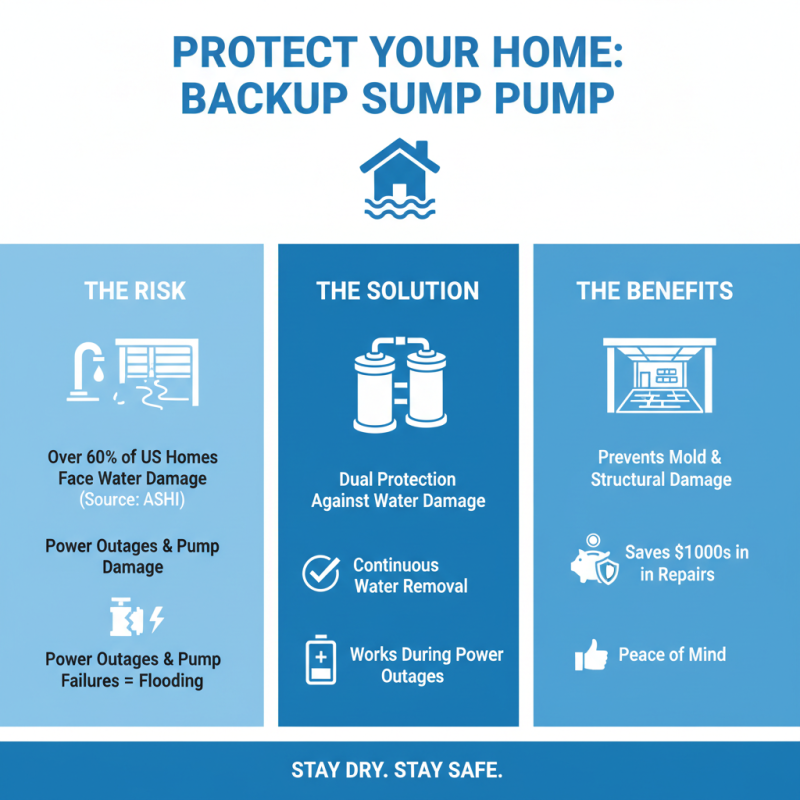
A backup sump pump system is critical for homeowners in areas prone to flooding or heavy rainfall. According to the American Society of Home Inspectors, over 60% of U.S. homes experience some form of water damage, often due to inadequate sump pump systems. A backup sump pump serves as an essential safeguard against power outages or pump failures, ensuring that water is continuously removed from the basement or crawl space. This redundancy can significantly reduce the risk of mold growth and structural damage, which can lead to expensive repairs.
Common issues resolved by backup sump pumps include power outages, mechanical failures, and extreme weather events. Data from the Federal Emergency Management Agency (FEMA) indicates that 75% of flood-related fatalities occur in vehicles, highlighting the dangers of flooding and the importance of preparedness. In many cases, a primary sump pump may simply fail during a critical time, as pumps can wear out or become clogged. A backup system, typically powered by battery, can quietly provide continuous operation until help arrives or the primary system is back online. By fully addressing these potential points of failure, homeowners can ensure that their property remains protected from water damage, thus safeguarding their personal investment and peace of mind.
Installation and Maintenance Tips for Back Up Sump Pumps
When considering the installation of a back-up sump pump system, it is essential to ensure that it is set up correctly to function effectively during emergencies. Begin by selecting an appropriate location for the pump, ideally in the same pit as the primary pump. This helps prevent flooding in case of power failure or primary pump failure. Use high-quality materials and ensure that the sump pit is properly sealed to prevent debris from obstructing the pumps. Additionally, a dedicated power source separate from the primary pump is crucial for the back-up system, such as a battery-operated or water-powered option, to ensure reliability during power outages.
Regular maintenance is vital for the longevity and effectiveness of a back-up sump pump. Start by testing the pump periodically to verify that it activates correctly during simulated power failure conditions. Check the battery level (if applicable) to ensure it remains charged and replace it as recommended, typically every few years. Additionally, clean the sump pit regularly to remove any debris that may hinder the pump’s operation. Inspect the discharge pipe for any blockages or leaks, and ensure it is directed away from the foundation of your home to effectively prevent water accumulation. With proper installation and ongoing maintenance, a back-up sump pump system can provide peace of mind and protection against unexpected water damage.
Backup Sump Pump System Effectiveness
This chart depicts the effectiveness metrics of backup sump pump systems, including water level management, pump activation rates, water removal speeds, battery backup reliability, and maintenance frequency. High scores indicate better performance in preventing basement flooding.