What Is the Best Sewage Pump System from China?
Choosing the best sewage pump system from China requires more than comparing prices and catalog photographs. A reliable system must match the wastewater type, flow rate, lifting height, pipe length, and installation environment. These details decide whether a pump performs smoothly or struggles with repeated blockages. A small hotel, food-processing workshop, and municipal station all need different solutions.
Experienced buyers usually examine impeller design, motor protection, seal quality, control-panel functions, and spare-parts availability. They also request performance curves, factory test records, material specifications, and clear warranty terms. Stainless steel components may suit corrosive wastewater, while cast iron can offer practical strength for many general applications. The choice should follow measured conditions, not attractive claims.
Testing supplier reliability takes time. A professional manufacturer should explain pump selection, installation limits, maintenance intervals, and emergency support without avoiding difficult questions. Site references and documented quality procedures can provide useful evidence, although they do not guarantee perfect performance. Even experienced engineers can overlook seasonal flow changes or unexpected solids. That is worth reconsidering.
The best sewage pump system is therefore the one that delivers stable performance, safe operation, manageable maintenance, and transparent technical support. Buyers should compare lifecycle cost rather than purchase price alone. A dependable Chinese supplier can provide an efficient solution, but only when specifications are verified carefully and expectations are recorded clearly. This guide examines the practical factors behind that decision, including pump construction, control technology, customization, testing, installation, and long-term service.
Chinese Sewage Pump Systems: Types, Applications, and Selection Criteria
What Is the Best Sewage Pump System from China?
Chinese Sewage Pump Systems: Types, Applications, and Selection Criteria
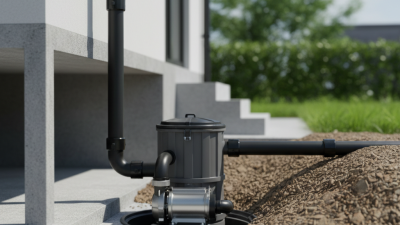
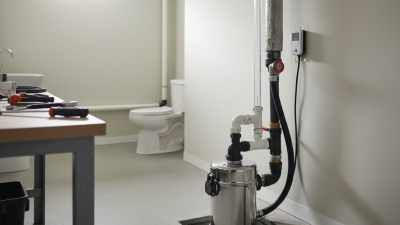
Chinese sewage pump systems cover several practical designs. Submersible pumps sit inside wet wells and suit residential blocks, hotels, and municipal stations. Dry-installed pumps remain outside the tank, making inspection easier. Cutter pumps can reduce fibrous waste, but they may require more maintenance. No option fits every site.
Selection should begin with wastewater conditions, not price. Measure flow rate, total head, pipe length, and daily operating hours. Check the solids size and whether fabrics, grease, sand, or corrosive chemicals are present. A pump handling 40 cubic meters per hour may perform poorly if the head calculation is wrong. Details matter.
During supplier evaluation, request performance curves, material specifications, motor efficiency data, and factory test records. Confirm protection ratings, insulation class, seal design, and spare-parts availability. Cast iron works for many duties, while stainless steel may better resist aggressive fluids. Ask how the system handles dry running and power interruptions. Not always. Installation drawings should match the actual wet well, not a standard template. Independent inspection can also verify vibration, noise, insulation resistance, and delivered flow before acceptance. A lower purchase price can become expensive when seals fail or service support is slow. Selection is still partly judgment, and site conditions can expose mistakes.
What Is the Best Sewage Pump System from China?
The best sewage pump system depends on flow rate, solids size, discharge head, installation method, and wastewater characteristics. The chart compares typical maximum solids-passage capabilities of commonly used sewage pump configurations.
Indicative engineering ranges: vortex pumps are suitable for wastewater containing fibrous solids, non-clog pumps are preferred for larger solids and municipal lift stations, cutter pumps reduce solids before discharge, and grinder pumps are commonly used where smaller-diameter pressure pipelines are required. Final selection should be based on the manufacturer’s verified performance curve and site conditions.
Core Performance Data: Flow, Head, 50–100 mm Solids Passage, and Efficiency
What Is the Best Sewage Pump System from China?
Choosing the best sewage pump system requires more than comparing motor power. The real test is its duty point: required flow and total head under actual site conditions. Flow is usually measured in cubic meters per hour, while head is measured in meters. A pump rated for 100 m³/h may deliver far less through a long, narrow discharge line. Measure pipe length, bends, elevation, and valve resistance before selecting equipment. Field records matter more than attractive catalog numbers.
Solids passage is equally important. A 50–100 mm passage can reduce blockage risks in municipal sewage, construction drainage, and industrial wastewater. However, a larger passage may affect impeller design and efficiency. The stated passage should be checked against real solids, not only test pieces. I have seen systems fail because cloth and fibrous waste were ignored. That was a selection mistake.
Efficiency should be reviewed at the operating point, not only at peak performance. Ask for pump curves, motor efficiency data, test conditions, and the difference between hydraulic and overall system efficiency. A small efficiency loss can increase energy costs across continuous operation. Reliable suppliers should provide traceable test records and clear tolerance ranges. Installation depth, cooling method, cable quality, and automatic controls also affect performance. Datasheets are useful, but they are not the whole system.
Pump Designs Compared: Submersible, Grinder, Vortex, and Dry-Pit Systems
The best sewage pump system from China depends on solids, lift, flow variation, and maintenance access. The US EPA reports that wastewater treatment may consume 30–40% of a municipality’s energy. Pump efficiency deserves serious attention.
Submersible pumps sit inside the wet well and save space. They suit compact stations and moderate flows. However, lifting them through a wet, dirty chamber is unpleasant. Grinder pumps cut fibrous waste into smaller particles. They work well in narrow pressure networks, but cutting systems consume extra power and need sharp, durable components.
Vortex pumps provide a wide passage around the impeller. This design reduces clogging risks when rags and grit appear. Hydraulic efficiency can be lower, though. Dry-pit systems keep motors and pumps in an accessible room. Operators gain cleaner inspections and easier servicing. Construction costs usually rise, especially when flood protection is required. WEF Manual of Practice No. 11 stresses that pump selection must match actual hydraulic conditions, not catalogue flow alone. That point is easy to ignore.
For Chinese equipment, request performance curves tested under ISO 9906 procedures, motor data, wet-well drawings, and solids-passage dimensions. Check 24-hour duty cycles, standby changeover, seal materials, and local spare-part support. Ask for witnessed testing. Paper efficiency can disappoint in sewage containing wipes, sand, and grease. The best choice may be a slightly less efficient vortex pump if it prevents repeated blockages. Mistakes happen. Good specifications make them visible early.
Compliance Checklist: GB Standards, ISO 9001, CE Marking, and IP68 Protection
What Is the Best Sewage Pump System from China?
A reliable sewage pump system begins with documented compliance, not attractive specifications. Confirm which GB standards apply to the pump, motor, control panel, and electrical installation. Requirements may cover safety, performance, materials, and electromagnetic compatibility. Ask for current test reports, product drawings, and a traceable model number. A vague certificate is not enough.
ISO 9001 shows that the manufacturer controls its quality processes. It does not prove that every pump performs correctly. Review inspection records, motor testing, sealing checks, and corrective-action procedures. CE marking matters when the equipment enters the European Economic Area. Request the EU Declaration of Conformity, risk assessment, and supporting test evidence. CE is not a universal quality label.
IP68 protection requires careful verification. The rating should state testing conditions, immersion depth, and duration. Check cable glands, mechanical seals, terminal boxes, and sensor connections. On-site installers must follow the same limits. A pump may pass a factory test yet fail after poor cable sealing. That detail is often missed. In project reviews, buyers sometimes accept certificates without checking the exact model. This is a weak practice, and I would question it. Confirm serial-number traceability, spare-part availability, warranty terms, and a witnessed factory acceptance test before purchase.
Lifecycle Cost Analysis: Energy Use, Maintenance, Service Life, and ROI
What Is the Best Sewage Pump System from China?
The lowest purchase price rarely delivers the lowest lifecycle cost. A practical assessment should include equipment, installation, electricity, spare parts, labor, downtime, and disposal. For example, a 7.5 kW pump operating 4,000 hours yearly can consume substantial power. Small efficiency losses become expensive over several years. Use measured flow, head, and local electricity tariffs rather than catalogue estimates.
Energy performance depends on more than motor efficiency. A correctly selected impeller, stable control panel, and properly sized discharge pipe can reduce throttling losses. In field inspections, ragging around the impeller often increases current draw before failure becomes obvious. Maintenance access matters too. Removable guide rails, sealed bearings, and available replacement parts can shorten service visits. Check test reports, pump curves, insulation results, and material specifications before approval.
Service life may reach eight to twelve years in suitable conditions, but abrasive solids, corrosive wastewater, and frequent starts can reduce it sharply. A realistic ROI calculation should compare annual operating savings with the purchase premium. It should also price one avoided emergency callout. That figure is often underestimated. However, projected savings can look too optimistic when actual loading changes seasonally. Require a witnessed performance test and clear warranty terms. The best system is not always the most efficient on paper; it is the one that keeps working with predictable costs.
What Is the Best Sewage Pump System from China? - Lifecycle Cost Analysis: Energy Use, Maintenance, Service Life, and ROI
| Generic Sewage Pump System |
Typical Application |
Rated Flow / Head |
Motor Input |
Average Wire-to-Water Efficiency |
Annual Pumped Volume |
Annual Energy Use |
Annual Energy Cost |
Initial System Cost |
Annual Maintenance Cost |
Expected Service Life |
10-Year Lifecycle Cost |
10-Year Savings vs. Basic |
Indicative ROI vs. Basic |
| Basic Fixed-Speed Submersible System |
Small municipal lift stations and commercial wastewater collection |
35 m³/h at 20 m |
15 kW |
60% |
182,500 m³ |
16,575 kWh |
US$1,989 |
US$12,000 |
US$960/year |
6 years |
US$53,490 |
— |
— |
| Premium Fixed-Speed System with Improved Hydraulics |
Municipal and industrial sewage transfer with stable operating conditions |
35 m³/h at 20 m |
15 kW |
68% |
182,500 m³ |
14,625 kWh |
US$1,755 |
US$15,000 |
US$1,050/year |
10 years |
US$43,050 |
US$10,440 |
348% |
| Variable-Speed System with Advanced Monitoring |
Sites with fluctuating inflow, frequent starts, or remote operation requirements |
35 m³/h at 20 m |
15 kW |
75% |
182,500 m³ |
13,260 kWh |
US$1,591 |
US$20,000 |
US$1,200/year |
15 years |
US$47,910 |
US$5,580 |
70% |
Calculation basis: Planning benchmark for one duty pump operating at an average flow of 500 m³/day and a total dynamic head of 20 m. Electricity is calculated at US$0.12/kWh. The 10-year lifecycle cost includes initial purchase and installation, electricity, routine maintenance, and one replacement of the basic system in Year 6. The premium fixed-speed and variable-speed systems are assumed to remain in service for the full 10-year period. Costs exclude civil works, taxes, freight, inflation, and major changes in wastewater characteristics. Values are non-brand-specific engineering estimates intended for preliminary comparison.