What Is the Best Sump Pump for a Basement in 2026?
A flooded basement rarely begins with a dramatic warning. Sometimes it starts with a damp cardboard box, a faint earthy smell, or water gathering beside the floor drain after a heavy storm. Choosing the best sump pump for a basement in 2026 means looking beyond advertised horsepower. Pit size, expected water volume, discharge routing, backup power, and local service all affect whether a system fits your home. No single model suits every basement.
Basement-waterproofing specialist Larry Janesky has emphasized the importance of addressing water at its source. That principle matters when comparing pumps: a stronger motor cannot fix a blocked discharge line or an undersized sump pit. This guide examines pump types, practical features, installation considerations, and the trade-offs between primary and battery-backup systems. It also explains which specifications deserve attention—and which can distract from the real problem. Small details count.
The recommendations are intended to support informed comparison, not replace an on-site assessment. Basement drainage varies with soil, foundation design, and groundwater conditions. A pump that performs well in one house may cycle constantly in another. That is easy to overlook. The sections ahead will help you evaluate a sump pump basement setup by its actual needs, so you can compare options with clearer expectations and fewer costly surprises.
How Basement Sump Pumps Remove Groundwater and Prevent Flooding
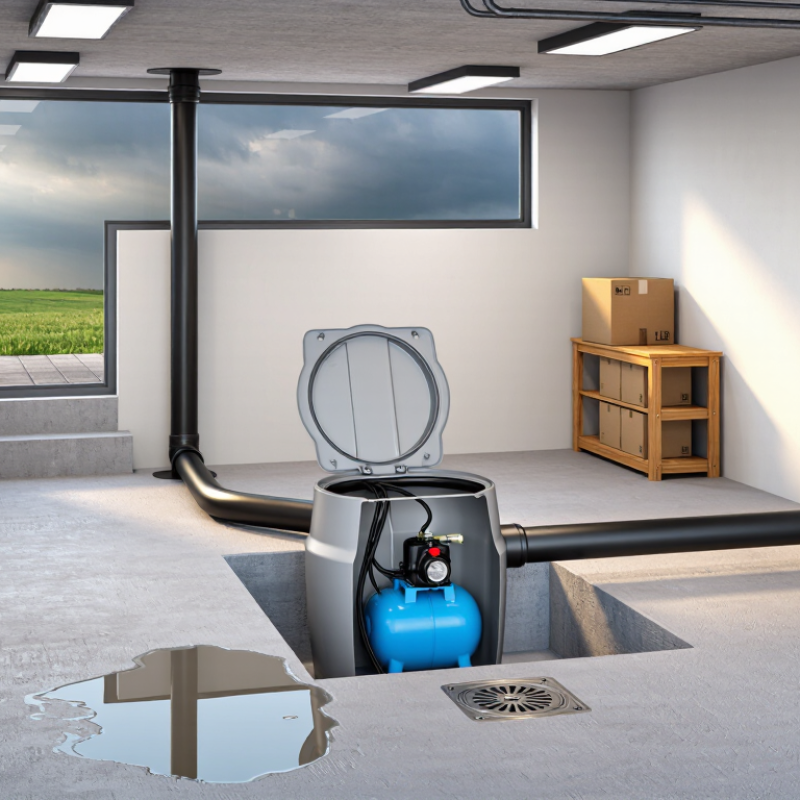
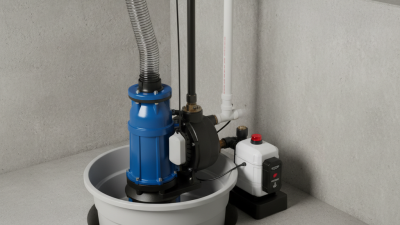
A basement sump pump does not stop groundwater; it gives it a controlled exit. Perforated drain tile carries seepage toward a basin below the floor. When water lifts the float switch, the pump pushes water through a discharge pipe away from the foundation. Then it stops.
A check valve helps prevent discharged water from flowing back into the pit. The discharge outlet matters: water dumped beside the wall may simply return underground.
Choosing a pump means matching its flow capacity to the water volume and the vertical lift, or “head,” at your home. A battery backup can help during outages, but it still needs testing.
Small details matter. The Insurance Information Institute reports that water damage and freezing accounted for 22.6% of homeowners insurance claims from 2018 through 2022, with an average claim of $12,514. That category is broader than groundwater, but the figures show how costly water intrusion can be.
FEMA also warns that one inch of floodwater may cause about $25,000 in home damage. A pump is not magic. Check the float, clear the pit, and confirm the outlet stays open; real systems can still fail when neglected.
Which Sump Pump Types Suit Different Basement Conditions
Choosing the best sump pump in 2026 starts with the basement, not the product label. In damp, regularly flooded pits, a submersible pump often fits best. Its motor sits underwater, so it runs quietly beneath the floor. A sealed housing also limits exposure to moisture. Measure the pit before buying. I have seen powerful pumps fail because their intake sat above the lowest water level. That small detail can leave several inches behind.
A pedestal pump suits a narrow or shallow pit when easy access matters. Its motor stays above the water, making inspection simpler and often extending service life. However, it can be noisier and may not suit finished living spaces. Noise matters. For basements with frequent outages, add a battery-backup pump with an independent float switch. It should protect the home when storms cut electricity, but batteries age. Test the system every few months, not only during a storm.
High-water-table homes may need a primary pump, a backup, and an alarm. Homes with occasional seepage often need less capacity, because oversizing can cause short cycling. That repeated starting wastes energy and can wear the motor. Check discharge pipes for freezing, sharp bends, or poor slope. I once underestimated this detail during a basement assessment. A pump cannot compensate for a blocked outlet. Local drainage, pit depth, and household risk should guide the final choice.
What Features Matter When Comparing Sump Pumps in 2026
What Is the Best Sump Pump for a Basement in 2026?
A strong sump pump should match your basement’s actual water conditions, not just its advertised horsepower. Check the flow rate at the required lift height. A pump moving 3,000 gallons per hour at ground level may perform differently at eight feet. Measure the discharge distance, vertical rise, and pipe bends before comparing models. Capacity matters.
The pump’s switch deserves close attention.
A vertical float switch suits narrow pits, while a tethered switch needs more room. Choose a sealed switch when moisture, dust, or accidental contact could cause trouble. A cast-metal housing can handle repeated operation, but it may transfer vibration to the basin. That detail is easy to overlook. Listen for rattling during a test cycle.
Look for a check valve, thermal overload protection, and a clearly accessible power cord. A backup battery system can protect the basement during outages, though its runtime depends on pump load and battery condition.
An audible alarm helps, but a phone alert is more useful when nobody is home. Test the alarm monthly.
I would also favor a removable intake screen, because gravel and small debris often collect after heavy rain. Some specifications still seem impressive until installation exposes a short cable or awkward service access.
How to Choose the Right Pump for Your Basement’s Needs
What Is the Best Sump Pump for a Basement in 2026?
How to Choose the Right Pump for Your Basement’s Needs
The best sump pump depends on your basement, not a popular product list. Measure the pit’s diameter and depth before shopping. Then estimate how high the pump must lift water to reach the discharge outlet. This height is called the total head. A pump’s advertised flow rate can drop sharply at greater heights. Check the performance chart, not only the largest number on the box.
Choose a pump that handles your usual water volume with some reserve. A cast metal housing may suit frequent operation, while a corrosion-resistant composite housing can work well in many residential pits. The switch also matters. Vertical switches fit tighter pits, but tethered switches often allow longer pump cycles. Keep the intake clear of gravel and sludge. Noise matters. I once ignored vibration during testing, and the pump later shifted against the pit wall.
Consider a second pump for heavy rainfall or a failed primary unit. A battery backup needs regular testing, fresh batteries, and a properly sealed discharge route. Add a high-water alarm where you can hear it from living areas. Test the system by pouring several buckets into the pit. Watch the switch, discharge flow, and check valve. Keep it accessible. Electrical connections should follow local requirements and be inspected by a qualified professional. Perfect sizing is difficult, especially when rainfall patterns change. Recheck the system before each wet season.
How to Install, Test, and Maintain a Basement Sump Pump
Choosing the best sump pump for a basement in 2026 starts with the pit, not the product label. Measure the pit diameter, discharge height, and pipe length. A pump must handle the required lift without running constantly. I prefer a model with a reliable float switch, corrosion-resistant materials, and a backup power option. More capacity is not always better.
Before installation, disconnect electrical power and remove standing water carefully. Set the pump upright on a solid, raised base inside the pit. Connect the discharge pipe with a check valve, then direct water away from the foundation. Seal joints properly, but leave the pump accessible. Do not guess the pipe size. Follow the manufacturer’s instructions and local electrical requirements.
Test the system by slowly adding clean water until the float rises. Watch for smooth activation, strong discharge, and automatic shutoff. Listen for grinding or repeated short cycles. Keep it accessible. I once overlooked a slightly tilted float, and the pump stopped too early. That mistake changed how I inspect every installation.
Clean the pit and pump screen every few months. Check the discharge outlet after storms, especially when leaves or ice may block it. Inspect the check valve for leaks and confirm the backup battery still holds a charge. Replace damaged cords immediately. A maintenance log helps, although I admit mine was neglected during one busy winter. Monthly testing is safer than waiting for heavy rain.
What Is the Best Sump Pump for a Basement in 2026? — How to Install, Test, and Maintain a Basement Sump Pump
| Decision or task | Practical guidance | How to verify or maintain it |
|---|---|---|
| Best pump type for most homes | A submersible pump is a common choice for a finished or frequently used basement because it operates inside the basin and is generally quieter. A pedestal pump keeps its motor above the water and can be easier to access in a narrow basin. | Choose a model that fits the basin and is rated for the expected water level, solids, and duty cycle. Compare published performance at the required lift—not just the pump’s maximum flow at zero lift. |
| Pump capacity | Select capacity according to the water entering the pit and the vertical lift and pipe layout. Pump flow decreases as lift and pipe resistance increase; there is no single horsepower or gallons-per-hour rating that is best for every basement. | Use the manufacturer’s pump curve to check flow at the measured total lift. If the pump cycles very frequently or cannot keep up during heavy rain, have the drainage system and pump sizing assessed. |
| Lift and discharge piping | Measure from the pump’s operating water level to the discharge outlet, then account for elbows and pipe length. Use the discharge-pipe diameter specified by the pump manufacturer; 1½-inch piping is common for many residential units, but requirements vary. | Confirm the discharge line is secure, unobstructed, and routed to an approved location. Keep water flowing away from the foundation and follow local drainage rules. |
| Sump basin and pump fit | Many residential basins are roughly 18–24 inches across, but dimensions and required capacity vary. The pump, float switch, inlet pipes, and any backup pump must fit without rubbing or becoming trapped. | Check the basin and pump manuals before installation. Make sure the float can travel freely and that the pump sits upright on a stable base rather than directly on loose sediment. |
| Check valve | A properly installed check valve on the discharge line helps prevent discharged water from flowing back into the basin after the pump stops. | Install it in the orientation shown by its flow arrow and follow the pump instructions. During a test, listen for unusual water hammer and check joints for leaks. |
| Electrical safety | Use a grounded receptacle and the circuit protection required by local electrical codes and the pump instructions. Avoid extension cords for permanent operation; keep plugs and connections above the basin and away from water. | Test a GFCI receptacle using its test and reset buttons at the interval stated by its manufacturer. Do not handle electrical connections while standing in water; use a qualified electrician if the outlet or circuit is unsuitable. |
| Battery backup | A backup pump can provide protection during a power outage or primary-pump failure. Battery type, pump capacity, water inflow, and lift all affect how long it can operate. | Follow the backup system’s battery care and replacement instructions. Test the backup pump and alarm periodically, and do not assume a stated runtime will apply to every basement. |
| Installation checks | Set the pump level, keep the float clear, connect the discharge line securely, and provide a suitable outlet. Protect exterior discharge piping from freezing where local winter conditions require it. | Before relying on the system, inspect every connection and confirm that discharged water does not return toward the foundation or create a hazard on walkways. |
| Functional test | Pour clean water into the basin until the float activates and the pump starts. Let it run until the water level falls and the pump switches off; do not run a pump dry unless its instructions specifically allow it. | Confirm the float moves freely, the pump starts and stops, the check valve works, and water exits through the discharge line. Investigate abnormal noise, vibration, leaks, or repeated rapid cycling. |
| Routine maintenance | Inspect the basin and pump periodically, especially before wet seasons and after storms. Remove debris that could obstruct the intake or float, and check the discharge outlet for blockage or ice. | A quarterly visual inspection and water test is a practical routine for many households; follow the manufacturer’s schedule if it differs. Record test dates and address corrosion, damaged cords, or unreliable switching promptly. |
Important: These are general selection and maintenance guidelines, not a substitute for the pump manual or local plumbing and electrical codes. Basin dimensions, required discharge arrangements, and electrical requirements can vary by installation.
Related Posts
-
10 Sump Pump Drainage Tips for Global Buyers
-
10 Best Sump Pumps for Home Flood Protection in 2023
-
Top 10 Basement Sump Pump System Benefits for Homeowners
-
How to Choose a Sump Pump with Battery Backup for Your Home?
-
How to Choose the Right Sump Pump for Effective Drainage Solutions?
-
Top 5 Sump Pumps with Battery Backup for Ultimate Protection?