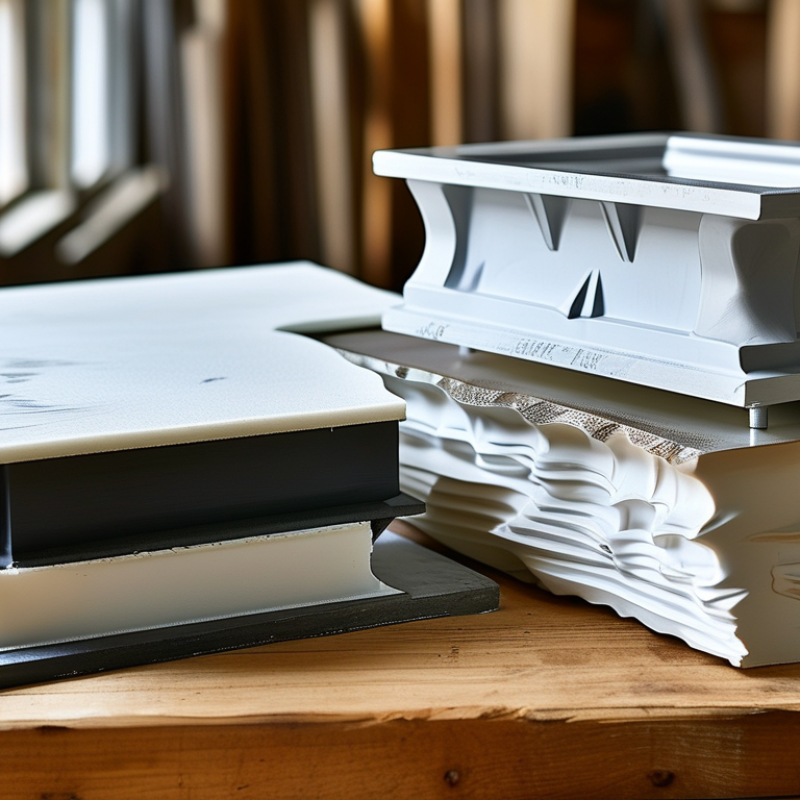
What is the Best Vacuum Forming Mold Materials for Your Needs?
Choosing the right Vacuum Forming Mold Materials is crucial for achieving optimal results in your projects. Different materials offer various benefits and drawbacks. Understanding these will guide you in selecting the best option for your specific needs.
For instance, popular materials like MDF and aluminum have their own strengths. MDF is cost-effective and easy to shape, making it a go-to for prototypes. However, it may not withstand high temperatures well. Aluminum, on the other hand, is durable and can handle heat, but it comes at a higher cost.
It's essential to evaluate your project's demands carefully. Factors like complexity, budget, and quantity play a significant role. Taking the time to reflect on these aspects will lead you to the most suitable Vacuum Forming Mold Materials. Remember, the best choice isn't always the most expensive one.
Types of Vacuum Forming Mold Materials Available in the Market
When selecting vacuum forming mold materials, you have several options, each with its own advantages and challenges. Thermoplastics like ABS and HIPS are popular due to their ease of use. These materials are lightweight and can be molded quickly, making them ideal for prototyping. According to a study from the Society of Plastics Engineers, ABS holds up well in high-heat environments, while HIPS offers flexibility in design.
Aluminum molds are another viable option. They are more durable than plastics, allowing for higher production volumes. A report from the American Society of Mechanical Engineers indicates that aluminum molds can withstand greater pressure. However, they come with a higher upfront cost. This delay in return on investment can be a significant concern for smaller businesses.
Composite materials, such as fiberglass, offer a good balance between durability and cost. They can be tailored to specific needs but may require more time for setup and production. As noted in industry research, composites might not achieve the same precision as metal molds.
Each type has its strengths and limitations. The decision ultimately depends on the specific requirements of your project and production scale.
Factors to Consider When Choosing Vacuum Forming Mold Materials
When selecting vacuum forming mold materials, several factors come into play. The choice can significantly impact both the manufacturing process and the final product's quality. A critical consideration is the operational temperature. Materials like aluminum can withstand higher temperatures, making them suitable for thermal stability during production. In contrast, lower melting point materials like certain plastics may warp or deform under elevated heat conditions.
Another vital aspect is the mold complexity. For intricate designs, composite materials often provide the necessary flexibility while ensuring durability. According to industry reports, about 35% of manufacturers have noted improved precision in their products by using composite molds over traditional metal molds. Cost-effectiveness also plays a role in decision-making. Some materials may offer lower initial expenditure but could lead to higher maintenance costs. Therefore, understanding the long-term implications of your choice is essential.
Surface finish is another factor that should not be overlooked. A smooth mold surface can enhance the final product's appearance. Data indicates that 60% of consumers favor aesthetics, influencing their purchasing decisions. Nevertheless, achieving a perfect finish often requires additional refinishing processes, which can add to the overall production timeline. Balancing all these factors can be challenging but is crucial for achieving the desired quality in vacuum-formed products.
Comparative Analysis of Common Mold Materials: Pros and Cons
Choosing the right vacuum forming mold material is crucial for production quality. Each material comes with distinct benefits and drawbacks. For example, aluminum molds are durable and conduct heat well, but they can be expensive. On the other hand, wood molds are lightweight and easy to shape, yet they may not withstand high temperatures effectively.
Plastic molds offer a middle ground; they are cost-effective and resistant to chemicals. However, they wear out faster than metal ones, leading to potential inconsistency in product quality. When deciding on a mold material, consider the specific needs of your project.
Tips: Always evaluate the production volume. Higher volumes may justify the expense of metal molds, while lower volumes might benefit from using plastics or wood. Also, reflect on the mold's lifespan. A more durable mold may be a better investment over time. Assessing the trade-offs among these materials will guide you in making an informed decision.
Best Vacuum Forming Mold Materials - Comparative Analysis
This chart compares the durability ratings of common vacuum forming mold materials on a scale from 1 to 10. Acrylic and polycarbonate tend to score higher due to their strength, while materials like HDF have lower ratings, indicating less durability.
Best Practices for Maintaining and Using Vacuum Forming Molds
When utilizing vacuum forming molds, proper maintenance and usage are crucial for quality results. A recent industry report from the Society of Manufacturing Engineers indicates that over 30% of production issues arise from mold wear and tear. Regular inspections can help identify surface damage early. This practice extends the life of molds and ensures consistent output quality.
Keeping molds clean is essential. Residue from previous runs can cause defects in new parts. Experts recommend using non-abrasive cleaners to avoid scratching the mold surfaces. It's advisable to inspect molds after each use. Untreated wear can lead to costly reworks. Also, temperature control during the forming process can prevent deformation of molds, which is crucial for maintaining dimensional accuracy.
Another area for consideration is the material selection for the molds themselves. According to recent studies, molds made from aluminum exhibit better thermal conductivity and wear resistance than those made from wood or plastic. However, they may require additional coatings to protect against scratches. Ensuring the right choice of material for specific applications is a key step in enhancing the efficacy of vacuum forming processes.
What is the Best Vacuum Forming Mold Materials for Your Needs? - Best Practices for Maintaining and Using Vacuum Forming Molds
| Material Type | Pros | Cons | Best Applications | Maintenance Tips |
| Aluminum | Durable, good heat conductor, lightweight | Can be expensive, may corrode without treatment | Industrial parts, automotive applications | Store in a dry area, clean after each use |
| Wood | Cost-effective, easy to shape, readily available | Not very durable, can warp under heat | Prototyping, short-run production | Seal with protective coatings, avoid moisture |
| Plastic Layouts | Lightweight, easy to prototype, low-cost | Less heat resistant, may distort over time | Short-term molds, small parts | Limit repeated heating, store flat |
| Steel | Extremely durable, heat resistant, long lifespan | Heavy, expensive, requires advanced machining | High-volume production, automotive parts | Regular inspection for rust, lubricate as needed |
| Silicone | Flexible, easy to de-mold, detailed reproduction | Limited durability, not suitable for high temperatures | Complex shapes, artistic applications | Store in a cool area, avoid direct sunlight |
Applications of Different Mold Materials in Various Industries
When it comes to vacuum forming molds, the choice of material is critical. Different industries rely on various mold materials for specific applications. For instance, in the automotive sector, tools made from aluminum are common. They offer good thermal conductivity and stability. Reports indicate that aluminum molds can reduce cycle times by 20%, boosting production efficiency. However, these molds may face abrasion challenges with repeated uses, necessitating routine inspections.
In the packaging industry, thermoplastic materials such as ABS and acrylic are frequently utilized. These materials enable flexibility and design versatility. According to industry studies, using ABS can increase design freedom by 30%, allowing for more intricate shapes. Yet, while thermoplastics excel in light-weighting, they may not withstand high temperatures over extended periods, a factor that should not be overlooked.
Another emerging trend is the use of composite materials in medical applications. Composites are known for their strength and lightweight properties. They meet stringent sterilization requirements, making them suitable for medical device packaging. Nonetheless, their costs can pose a barrier. Industry data suggests that while composite molds may increase initial investment by 15-25%, the long-term durability justifies the expenditure. The intricacies behind selecting the right mold material are indeed multifaceted, underscoring the importance of aligning material properties with specific operational needs.