China Top Battery Backup for Sump Pump Buying Guide
A storm can turn a quiet basement into a wet, noisy problem within minutes. The power fails. Rain keeps falling. Then the sump pump stops.
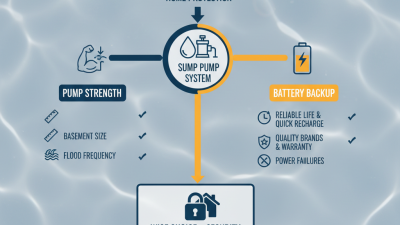
A battery back up for sump pump systems can keep water moving during an outage, but the right choice depends on your home. Basement size, water inflow, pump capacity, battery type, and alarm features all matter. A unit that looks powerful on a product page may not provide enough runtime for a long storm. Check the details.
Basement-waterproofing specialist Larry Janesky, founder of Basement Systems, is known for practical guidance on basement protection. A fair paraphrase of that guidance is: “Protect the basement before water arrives.” This is a paraphrase, not a verified verbatim quotation.
This buying guide explains how to compare backup systems, estimate runtime, and match a battery to your existing pump. It also covers installation considerations, maintenance, and common trade-offs between standby and combination systems. Look closely at charging time, compatibility, and whether the unit can alert you when trouble starts. A loud alarm helps. A tested backup helps more.
No battery lasts forever. Real performance depends on pump demand, battery condition, and how often water enters the pit. Before buying, measure what your system actually needs. A little uncertainty remains, especially when storm conditions change quickly. Use the guide to make a more informed choice, then test the system before the next heavy rain.
Understanding How Sump Pump Battery Backup Systems Work
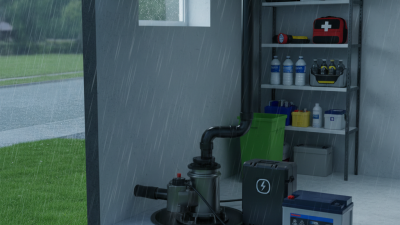
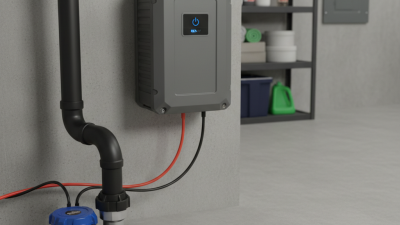
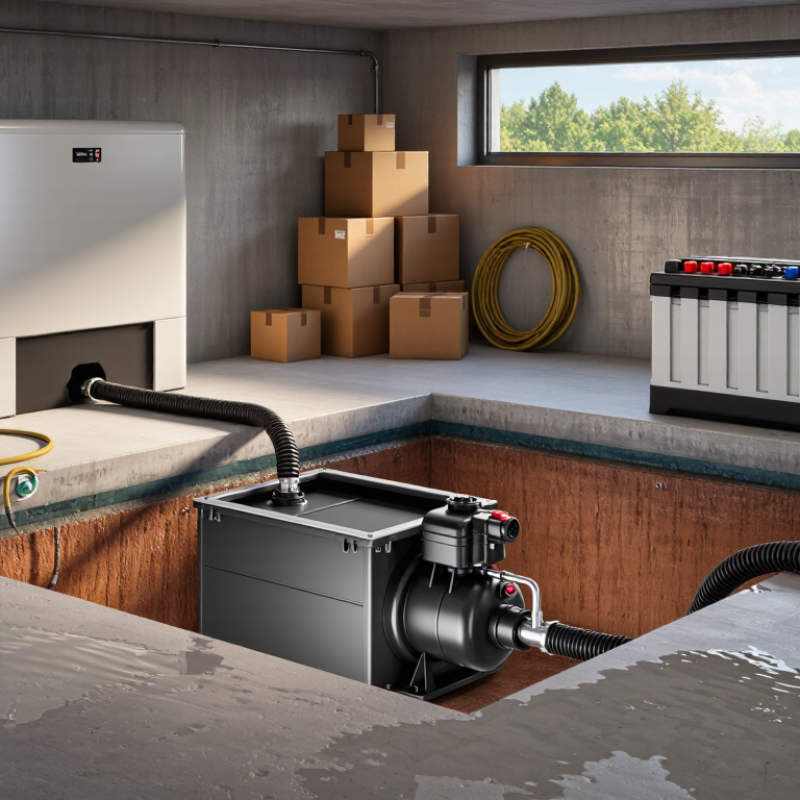
A sump pump battery backup keeps water moving when a power outage stops the primary pump. Most systems include a battery, charger, control unit, and a separate DC backup pump. While household power is available, the charger maintains the battery and the primary pump handles rising groundwater.
If the water level climbs and the main pump cannot run, a float switch activates the backup pump. The control unit draws stored energy from the battery, allowing the smaller pump to move water through a discharge line. A beeping alarm may signal a power loss, low battery, or pump fault. A few inches matter. The float must move freely, so check for tangled cords or debris near the sump pit.
Runtime depends on battery capacity, pump demand, discharge height, and how often water enters the pit. A backup is not an endless power source. During a long outage or heavy inflow, even a charged battery can run down sooner than expected. Check the battery condition and test the system according to its instructions; a brief test can reveal a stuck float or loose connection, though it cannot guarantee performance in every storm. The setup is reassuring, but it still needs attention.
China Top Battery Backup for Sump Pump Buying Guide: How the System Works
A battery backup sump pump typically uses a 12-volt battery. When AC power is unavailable or the primary pump cannot keep up, a controller can activate the backup pump. This chart shows approximate resting voltage levels for a 12-volt lead-acid battery at different states of charge. Readings vary with battery type, temperature, age, and recent charging or use.
Battery voltage alone does not determine backup runtime. Runtime also depends on battery capacity, pump current draw, pumping height, and how often the pump cycles. Follow the battery and pump manufacturers’ guidance when checking charge and estimating operation time.
Assessing Your Sump Pump’s Backup Power Requirements
A dependable backup starts with the pump, not the battery. Read the pump’s nameplate for voltage and running watts, then check its manual for starting surge. Motors can briefly draw more power at startup. The inverter must handle that surge, while the battery must supply the pump’s normal operating load. Small detail, big consequence.
Estimate runtime using usable battery watt-hours divided by the pump’s average watt draw. For an intermittent pump, average draw depends on how often it runs, not just its rated power. Observe cycles during heavy rain if possible, and note how quickly water rises between starts. EIA reliability data recorded about 5.5 hours of annual electricity interruptions per U.S. customer in 2022, including major-event days. That figure is a national average, not a safe outage-duration target for your home. Local flooding, pit size, and discharge conditions can change the required reserve considerably.
Allow for inverter losses, battery aging, and a reserve for longer outages. Confirm that the backup system supports the pump’s voltage and surge demand. Then test it with the pump connected; a display showing full charge proves little about performance under load. I would reassess the estimate after a wet-season test. Real conditions vary.
Comparing Battery Types, Capacity, and Runtime
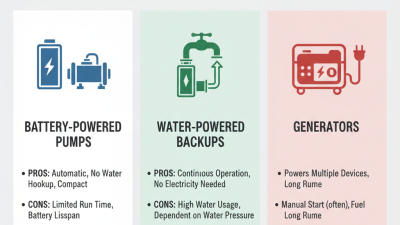
Battery choice affects maintenance, usable energy, and how reliably a backup starts. Sealed AGM batteries need little routine attention and are widely used with compatible backup systems. Flooded lead-acid batteries can offer good value, but they need upright placement, ventilation, and periodic checks. Lithium iron phosphate batteries are lighter and often tolerate more discharge cycles, though the charger and control system must support their voltage and charging limits. Cold storage can also affect charging.
Capacity alone does not predict runtime. A 12-volt, 100-amp-hour battery stores about 1,200 watt-hours on paper; usable energy is lower after discharge limits and inverter losses. A 500-watt pump might run for roughly an hour continuously from a lead-acid battery of that size, but actual performance varies. Motors draw extra power at startup. Water inflow, pump cycling, battery age, and temperature matter too. Real basements are messier.
Match the battery to the pump’s voltage and the backup unit’s charging specifications. Check the pump’s running and startup power, then compare that load with the inverter’s continuous and surge ratings. A modest capacity may last through many short cycles, while heavy inflow can drain it quickly. Test the system with the pump operating, and record how long it runs. That estimate is useful, not comforting; a test under dry, ideal conditions may still overstate storm performance.
Evaluating Chinese Manufacturers and Product Standards
China’s manufacturing scale can offer buyers a wide choice of backup batteries, but scale is not proof of quality. The IEA’s 2022 Global Supply Chains of EV Batteries report estimated that China held about three-quarters of global lithium-ion battery manufacturing capacity. That figure describes production capacity, not sump-pump reliability. Ask manufacturers for test reports tied to the exact battery model, chemistry, and system configuration.
Check whether the battery’s safety evidence matches its chemistry and intended use. IEC 62619:2022 covers safety requirements for industrial lithium batteries, including stationary applications; IEC 60896 covers stationary lead-acid batteries. A certificate for a cell alone may not cover the complete battery backup system. Verify the issuing laboratory, report date, model number, and any limits on installation. Paperwork can look tidy. Check the details.
Then assess performance under real pump conditions. Request measured runtime at the pump’s operating load, inverter surge capacity, recharge time, and low-battery alarm behavior. A short demonstration with a bucket may miss a pump’s startup surge or a long outage. Ask how the enclosure handles a damp basement, and confirm installation clearances and ventilation requirements. I would still compare quoted runtime with an independent load test; manufacturers’ figures may use different assumptions. Keep the test conditions in writing before comparing suppliers.
Choosing, Installing, and Maintaining the Right Backup System
Choosing a battery backup for a sump pump starts with the pump’s actual load, not the largest battery on the shelf. Check the pump’s running watts and startup surge, then match them to the backup unit’s continuous and peak output. Battery capacity, usually listed in amp-hours, helps estimate runtime, but real results depend on pump cycling, battery age, and water inflow. FEMA’s FloodSmart guidance warns that just one inch of floodwater can cause up to $25,000 in home damage. That makes a dependable backup more than a convenience. Real tests matter.
During installation, place the battery above likely floor-level water and keep it ventilated, accessible, and away from heat. Follow the unit’s wiring and fuse instructions; poor connections can reduce output or create a hazard. Check that the backup activates when the primary pump loses power, and test it with water in the pit. A quiet indicator light is not proof that the pump can move water. I would still record the test date and runtime, even if I sometimes forget to update the note.
Maintenance is simple, but easy to postpone. Inspect terminals for corrosion, confirm the charger shows normal status, and test the system monthly or as its manual recommends. Replace a battery when testing shows weak capacity, not only when it looks worn. If outages are frequent, compare measured pump runtime with the backup’s tested runtime and allow a margin for heavier inflow. A short test cannot predict every storm.