How to Choose the Best Sump Pump Drainage System for Your Home
When it comes to safeguarding your home from water damage, the importance of a reliable sump pump drainage system cannot be overstated. According to the American Society of Home Inspectors, nearly 60% of homes in the United States are affected by some degree of moisture intrusion, often leading to significant structural damage and costly repairs. Selecting the right sump pump drainage system is crucial for maintaining a dry basement and ensuring the longevity of your home’s foundation.
A well-designed sump pump drainage system not only helps to manage excess groundwater but also improves the overall air quality within your home. The EPA indicates that damp basements can contribute to the growth of mold and mildew, potentially leading to health issues such as respiratory problems. Therefore, investing in the appropriate sump pump drainage solutions can provide peace of mind and protect your family’s health. With the market presenting a plethora of options ranging from submersible pumps to pedestal pumps, it is essential to consider factors such as capacity, power source, and maintenance needs to make an informed decision.

Identifying Your Home's Unique Drainage Needs and Challenges
Identifying your home's unique drainage needs is crucial to selecting the best sump pump drainage system. Factors such as local climate, soil type, and the home's foundation can significantly influence water accumulation and drainage issues. According to the American Society of Home Inspectors, nearly 60% of homes in the United States experience some form of water intrusion, making it imperative to assess these challenges before installation.
When evaluating your drainage needs, consider conducting a thorough inspection of your property. Look for areas where water tends to pool, and note the distance from your foundation. Soil composition is another key factor; for instance, clay soils retain water, making effective drainage systems essential. Additionally, homeowners should note that the average sump pump can handle anywhere from 1,000 to 2,000 gallons per hour, depending on the model, which is important for making an informed choice.
**Tips:** Always opt for a sump pump with a battery backup system to ensure operation during power outages. Additionally, consider a sump system with a high-capacity discharge pipe to efficiently remove water away from your home. Regular maintenance checks can also help extend the life of your sump pump and improve its performance.
Understanding Different Types of Sump Pumps Available on the Market
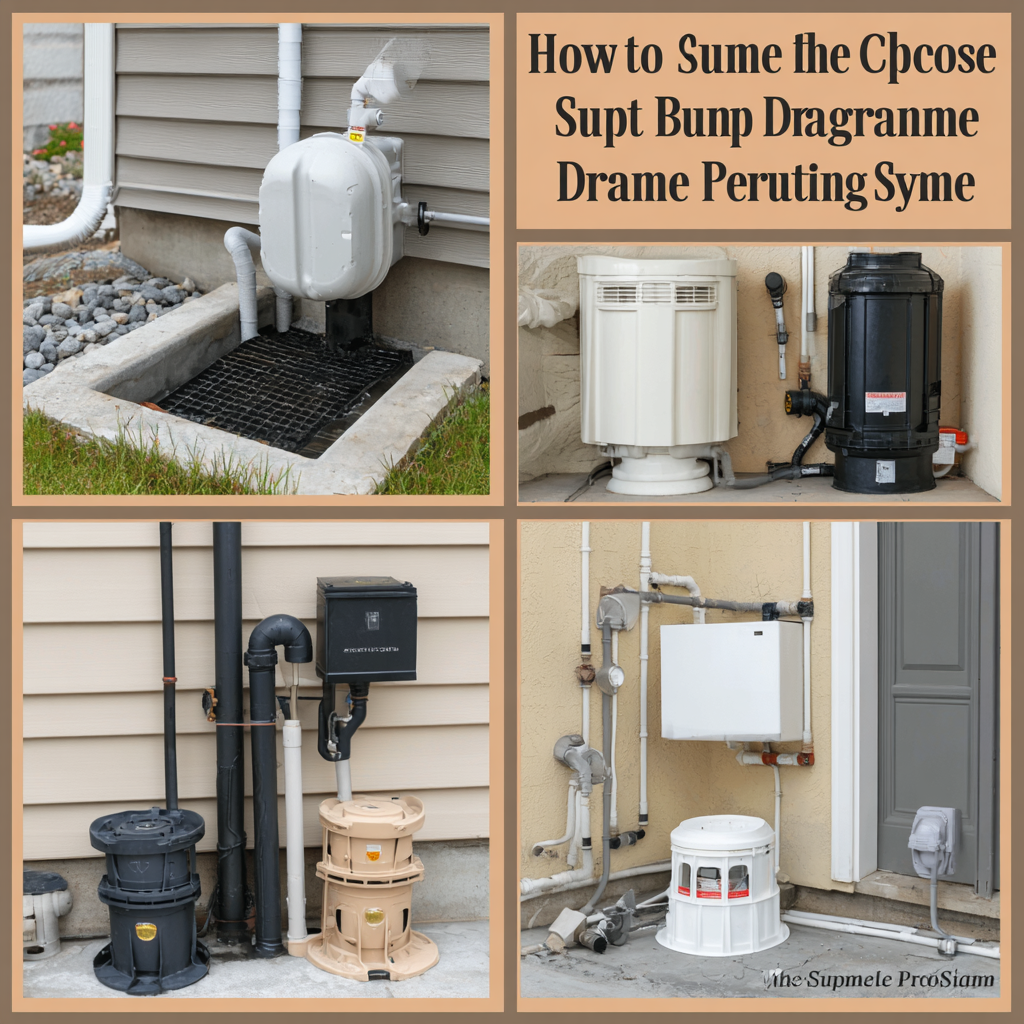
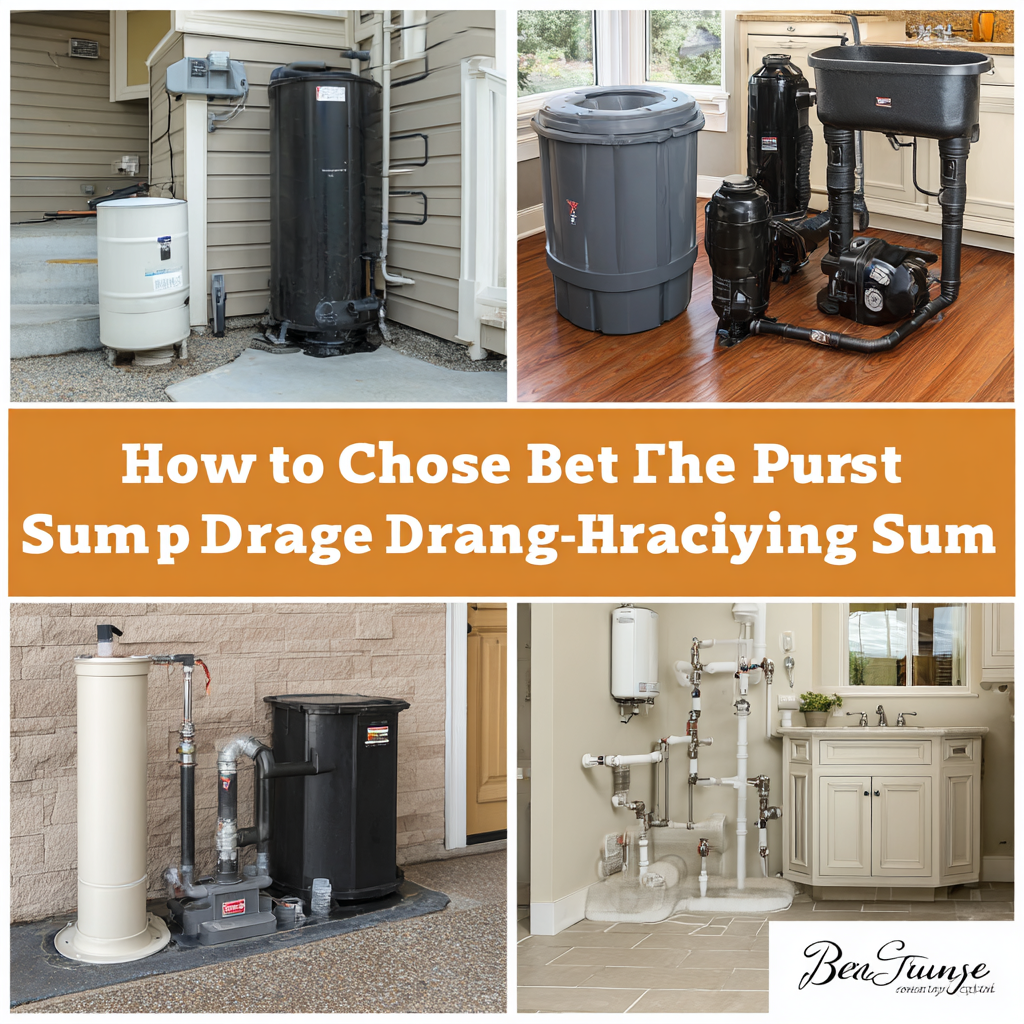
When considering a sump pump drainage system for your home, it's crucial to understand the various types of sump pumps available on the market. The most common types include submersible pumps, pedestal pumps, and battery backup systems. Submersible pumps, often preferred for their efficiency, are designed to operate underwater, making them ideal for areas prone to flooding. They are typically quieter than other types and provide a more permanent solution for flood prevention.
On the other hand, pedestal pumps are positioned above the sump basin, which allows for easier maintenance and a longer lifespan. While they might be less effective in larger volumes of water, they are a great option for homeowners with smaller basements or crawl spaces. Battery backup sump pumps are essential for those concerned about power outages during storms; these systems ensure continuous operation even when the electricity is out. Understanding the strengths and limitations of each type will help you choose the most suitable sump pump system to protect your home from water damage.
How to Choose the Best Sump Pump Drainage System for Your Home - Understanding Different Types of Sump Pumps Available on the Market
| Type of Sump Pump |
Power Source |
Horsepower |
Typical Applications |
Pros |
Cons |
| Submersible Pump |
Electric |
1/4 HP - 1 HP |
Basements, Crawlspaces |
Highly effective in high water tables |
Requires a power source, can be noisy |
| Pedestal Pump |
Electric |
1/4 HP - 1/2 HP |
Low water tables, garages |
Easier to maintain, less expensive |
Less effective in high water situations |
| Battery Backup Pump |
Battery |
1/4 HP - 1/2 HP |
Emergency situations, power outages |
Provides reliable backup power |
Battery replacements needed, can be costly |
| Water Powered Pump |
Water pressure |
N/A |
Homes with low electrical reliability |
Independence from electricity, low maintenance |
Requires adequate water supply, less common |
Factors to Consider When Selecting the Right Sump Pump Size
When selecting the right sump pump size for your home, several key factors come into play. First and foremost, it's crucial to assess the size of your basement or crawl space. Measure the square footage and determine the depth of any potential flooding risks. This information will help you to choose a pump with an appropriate capacity to handle the volume of water that may accumulate.
Another important factor is the pump’s horsepower. A higher horsepower can move water more quickly, which is essential for areas prone to heavy rainfall or unexpected water intrusion. Typically, pumps with ½ to 1 horsepower are adequate for residential properties, but you should consider specific conditions that could warrant an upgrade.
**Tips:** When choosing a sump pump, be sure to factor in battery backup systems to ensure operation during power outages. Additionally, think about the materials of the pump; one with a corrosion-resistant casing will have a longer lifespan. Lastly, check reviews and recommendations from other homeowners to ensure you’re making a wise investment.
Evaluating Installation Options for Your Sump Pump System
When evaluating installation options for your sump pump system, it is essential to consider factors such as the type of sump pump, location, and drainage requirements. There are two primary types of sump pumps:
submersible and pedestal.
- Submersible pumps are installed below the water line, making them more discreet and efficient in pumping water out of the pit.
- Pedestal pumps are mounted above the pit and are easier to maintain, but may be less effective in high-water scenarios.
Choose the type that best suits your home's needs and your willingness to perform maintenance.
Additionally, the location of your sump pump is
crucial for effective water management. Ideally, it should be placed in the lowest part of your basement or crawl space to ensure optimal water collection. Ensure that the discharge line is directed away from the foundation and other sensitive areas, preventing water from pooling around your home. Considering these factors will not only enhance the efficiency of your sump pump system but also contribute to a healthier living environment by mitigating the
risk of flooding and
water damage.
Maintenance Tips for Ensuring Long-Lasting Sump Pump Performance
Maintaining a sump pump is crucial for ensuring its long-lasting performance, especially considering that nearly 60% of American homes experience some form of water damage. Regular maintenance can prevent up to 80% of sump pump failures, which typically occur due to clogs or mechanical issues. A thorough inspection should include checking the pump’s power source, the discharge lines, and the float switch. Testing the pump by pouring water into the basin to ensure it activates and deactivates properly is essential, as this simulates real conditions.
In addition to regular checks, cleaning the sump pit is vital. Over time, sediment can accumulate, leading to clogs that impede the pump's function. According to the American Society of Home Inspectors, a thorough clean of the sump pit every six months can significantly increase the lifespan of the unit. Furthermore, considering adding a backup pump or battery backup system can provide peace of mind, ensuring that flooding won’t occur during power outages or pump failure, which can affect nearly 35% of sump pumps according to industry reports. By implementing these maintenance strategies, homeowners can enhance the durability and reliability of their sump pump drainage systems.
Monthly Maintenance Tips for Sump Pump Systems
This bar chart illustrates the frequency of maintenance tasks recommended for optimal sump pump performance throughout the year. Regular attention to your sump pump can prevent failures and prolong its lifespan.