How to Choose the Best Thermal Blanket Insulation for Your Needs?
Choosing the right Thermal Blanket Insulation can be a daunting task, especially with the vast options available. According to industry expert Dr. Emily Carson, "Selecting the right insulation is critical to achieving energy efficiency in any space." Her insights highlight the importance of making informed choices in this area.
Thermal Blanket Insulation serves various purposes. It is crucial in energy conservation for homes and businesses alike. A good thermal blanket can reduce heating and cooling costs significantly. However, many people find it challenging to navigate the technical specifications of different products.
Not all thermal insulation performs the same. Factors such as material type, thickness, and R-value can impact efficiency. It’s essential to consider personal needs and local climate conditions. Many consumers overlook these details, leading to potentially inadequate insulation solutions. Reflecting on what works best for your specific environment is key to maximizing benefits.
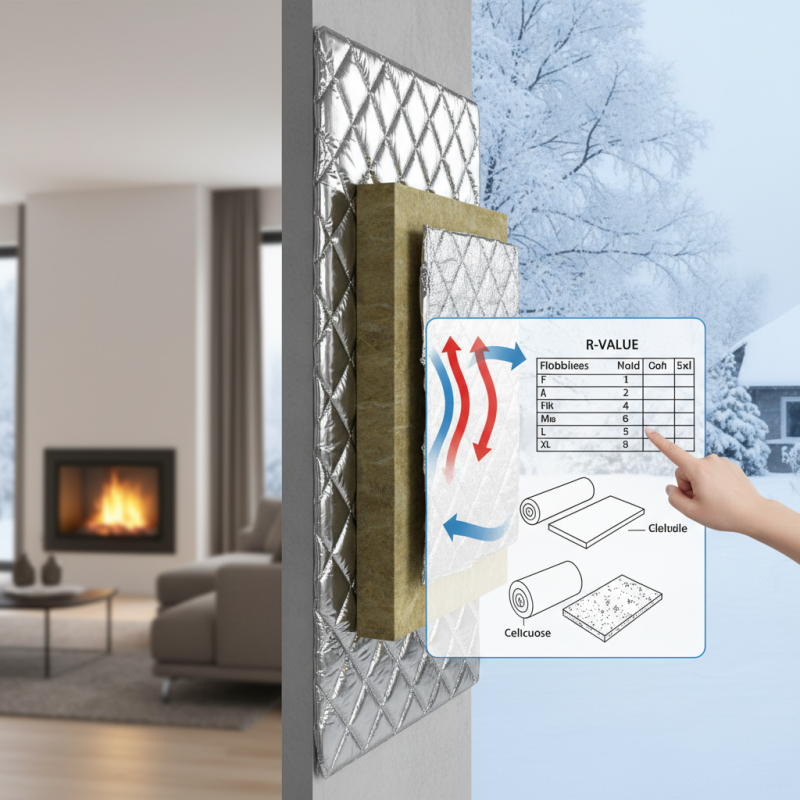
Evaluating Different Types of Thermal Blanket Insulation Materials
When selecting thermal blanket insulation, understanding the various materials available is crucial. Common types include fiberglass, foam, and reflective insulation. Each type offers unique benefits and limitations. For instance, fiberglass is well-regarded for its thermal resistance, with an R-value of about 2.9 to 4.3 per inch. However, it can release airborne particles and may not suit all environments.
Foam insulation, often made from expanded polystyrene (EPS) or polyurethane, provides excellent thermal performance. Its R-values can range from 3.6 to 7.0 per inch, making it a strong choice. It is also moisture-resistant but can be prone to fire hazards if not adequately treated.
When evaluating options, consider the application environment. If soundproofing is essential, foam may be preferable. For areas where fire safety is a concern, fiberglass could be more suitable.
Tip: Always check the local building codes before installation. They often specify the required R-values for different applications.
Opt for reflective insulation if energy efficiency is a priority. This material reflects radiant heat, especially in attics, potentially lowering cooling costs. Its effectiveness relies on installation; improper placement can decrease its benefits significantly.
Tip: Conduct a thermal audit to identify the right areas needing insulation. This insight will guide you in selecting the best material for your specific needs.
Understanding R-Value and Its Importance in Insulation Performance
When selecting thermal blanket insulation, understanding the R-value is crucial. R-value measures a material’s resistance to heat flow. A higher R-value indicates better insulating effectiveness. Reports indicate that R-values can vary significantly, with options ranging from 1.0 to over 30 for advanced materials. This range means some thermal blankets offer substantially better performance than others, depending on your specific needs.
For instance, fiberglass insulation often has an R-value around 2.9 per inch. In contrast, spray foam insulation can achieve R-values of 6.5 or more per inch. This variation directly impacts heat retention and energy costs. Choosing insulation with the appropriate R-value can contribute to significant energy savings. Some experts suggest that enhancing your insulation can reduce energy bills by up to 30%.
However, it’s vital to assess your space's unique requirements. Sometimes, a blanket with a lower R-value is suitable due to specific structural needs or budget constraints. Always confirm the installation conditions, as improper application can lead to subpar performance. A detailed understanding of the R-value will better guide you in selecting the right thermal blanket for your insulation project.
Assessing Thermal Resistance in Various Climate Conditions
When selecting thermal blanket insulation, assessing thermal resistance in various climates is crucial. Thermal resistance, or R-value, measures an insulation material's effectiveness. In colder climates, a higher R-value is necessary. For instance, the U.S. Department of Energy recommends R-values ranging from R-30 to R-60 for attics in northern areas. This should guide your selection based on location.
During hotter climates, the insulation's ability to block heat becomes vital. Materials should reflect rather than absorb heat. Studies indicate that reflective insulation can reduce cooling costs by up to 25%. Incorrect choices here can lead to uncomfortable indoor temperatures and excessive energy bills. So, consider climate-specific needs and long-term efficiency.
Keep in mind that insulation can degrade over time. Constant exposure to moisture and temperature changes may affect its performance. Regular assessments can help maintain effectiveness. Not every product suits every situation, and the best choice may vary. Rethinking your insulation plan based on these factors could enhance comfort and energy savings.
Comparing Cost Efficiency vs. Energy Savings of Thermal Blankets
Choosing the right thermal blanket insulation involves a crucial consideration: the balance between cost efficiency and energy savings. Many consumers prioritize the initial cost of materials. However, cheaper options may lead to higher energy bills over time. Investing in better insulation can reduce heat loss significantly, resulting in long-term savings.
When assessing cost efficiency, it’s necessary to consider installation costs, maintenance, and longevity. An inexpensive blanket might need frequent replacements. This adds up, negating any upfront savings. On the other hand, higher-quality thermal blankets often come with warranties, promising years of effective insulation.
Additionally, energy savings cannot be ignored. A well-insulated space requires less heating or cooling. This fact becomes especially important in extreme climates. Homeowners might notice a difference in their energy bills after installation. Still, it’s essential to weigh these savings against the original investment thoroughly. Making informed choices isn’t always straightforward, but it’s crucial for sustainable living.
Identifying the Best Applications for Thermal Blankets in Homes and Businesses
When choosing thermal blankets, it's crucial to identify their best applications. In homes, they can provide essential insulation for windows and doors. This reduces energy costs significantly, especially during extreme weather. A well-placed thermal blanket can retain warmth in winter and coolness in summer.
For businesses, thermal blankets are equally beneficial. They can be used in commercial kitchens or warehouses. These environments tend to lose heat rapidly. Installing thermal insulation here can lead to better temperature control and energy efficiency. However, businesses may face challenges in selecting the right material. Not all thermal blankets are suitable for every commercial setting.
It's essential to consider the specific needs of your space. Incorrectly chosen blankets may lead to insufficient insulation. This could result in higher energy bills and discomfort. Reflecting on the unique features of your environment will improve your choice. Make assessments based on size and usage frequency.
How to Choose the Best Thermal Blanket Insulation for Your Needs?
| Application Area | Material Type | R-Value | Best Use | Price Range |
| Residential Roofs | Fiberglass | R-30 | Attic Insulation | $0.80 - $1.50 per sq ft |
| Commercial Warehouses | Reflective Foil | R-10 | Roof and Wall Insulation | $1.00 - $2.00 per sq ft |
| Basements | Rigid Foam Board | R-20 | Below Grade Insulation | $1.50 - $3.00 per sq ft |
| Pipes and Ducts | Mineral Wool | R-15 | Heating and Cooling Efficiency | $0.50 - $1.00 per linear foot |
| Greenhouses | Polyethylene | R-5 | Temperature Regulation | $0.20 - $0.50 per sq ft |
