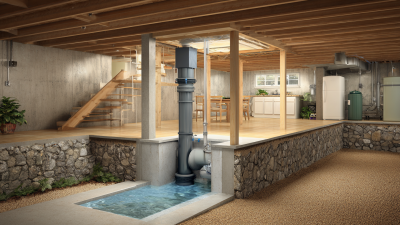
How to Install and Maintain a Basement Sump Pump System for Flood Prevention

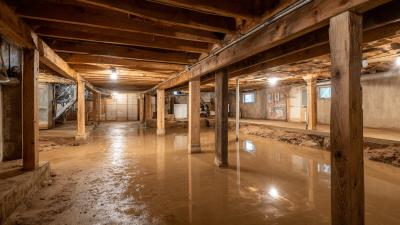
Flooding poses a significant threat to residential properties, with statistics indicating that approximately 14,000 people experience a water damage emergency every day in the United States alone. A basement is particularly vulnerable, often serving as a hotspot for water accumulation during heavy rainfall or snowmelt. To combat this risk, the installation and maintenance of a basement sump pump system is essential for homeowners seeking to safeguard their property from water intrusion and mold growth. The National Flood Insurance Program (NFIP) reports that flooding can lead to damages exceeding $20,000, highlighting the financial benefits of preventative measures.

A properly installed and maintained basement sump pump system can significantly reduce the risk of basement flooding. Research shows that homes equipped with sump pumps are considerably less likely to suffer from severe water damage compared to those without. Regular upkeep not only extends the life of the pump but also ensures its efficiency during critical times. Homeowners should be proactive in their approach, conducting routine inspections and maintenance checks as recommended by industry best practices. This investment in a sump pump system is not just a precaution; it is a crucial strategy for protecting one's home and financial stability against the unpredictable nature of weather-related flooding.
How to Install and Maintain a Basement Sump Pump System for Flood Prevention

Benefits of Installing a Basement Sump Pump for Flood Prevention

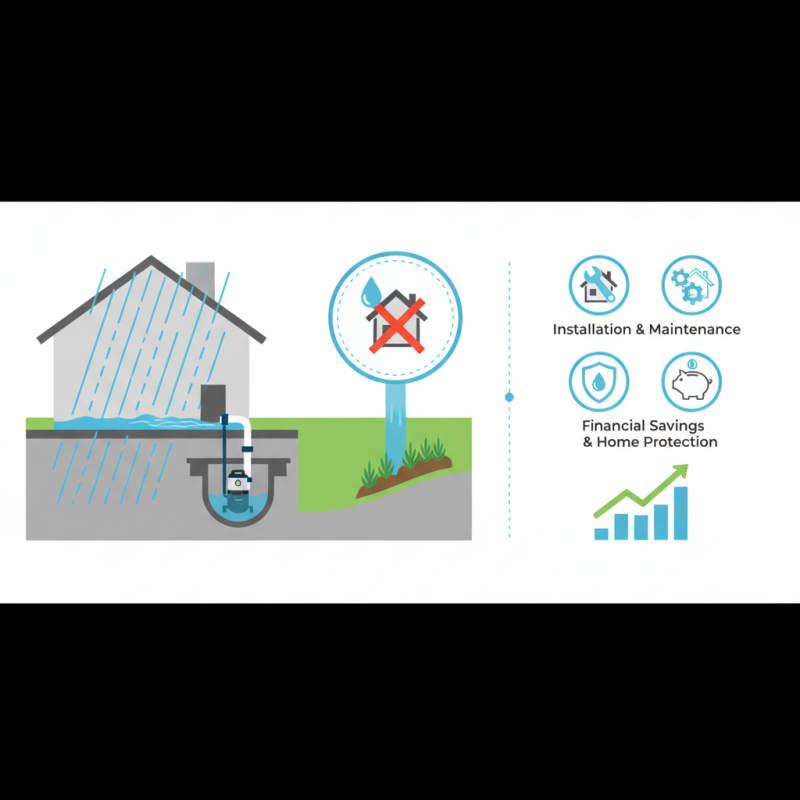
Installing a basement sump pump system is a proactive measure that homeowners can take to prevent flooding and protect their property. The benefits of having a sump pump are significant, particularly in areas prone to heavy rainfall or high groundwater levels. According to the American Society of Home Inspectors, nearly 60% of homes in the U.S. experience some form of water damage, and a sump pump can be a crucial line of defense against such issues. By effectively managing excess water, homeowners can mitigate the risk of mold growth, structural damage, and deterioration of personal belongings.

Moreover, a sump pump can enhance the overall value of a property. The National Association of Realtors (NAR) has noted that homes equipped with effective water management systems, including sump pumps, can demand higher prices on the market. This added value is particularly appealing in regions that frequently experience severe weather conditions, as prospective buyers are increasingly aware of the importance of flood prevention measures. In addition to financial benefits, a sump pump can provide peace of mind, ensuring that homeowners can feel secure knowing their basements are protected from potential flooding events.
Essential Tools and Materials Needed for Sump Pump Installation

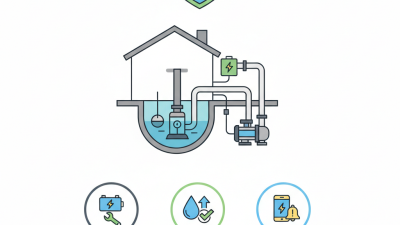
When preparing to install a basement sump pump system, gathering the essential tools and materials is crucial for a successful setup. Start with a high-quality sump pump, which is the heart of your system. You will also need a sump pump basin to house the pump and a discharge pipe to channel the water away from your home. To ensure a smooth installation, consider having a check valve on hand, which prevents backflow and protects your system.

In addition to the primary components, there are several tools and materials that will aid in the installation process. A drill with the proper bits is essential for creating holes in concrete or wood. You may also require a saw for cutting pipes and fittings to size. Gather PVC pipe fittings, pipe adhesive, and a utility knife for precise cuts. Don't forget about safety gear such as gloves and goggles to protect yourself while working. With these tools and materials in place, you will be well-equipped to install your sump pump system and safeguard your basement against flooding.

Step-by-Step Guide to Installing a Basement Sump Pump System

How to Install and Maintain a Basement Sump Pump System for Flood Prevention

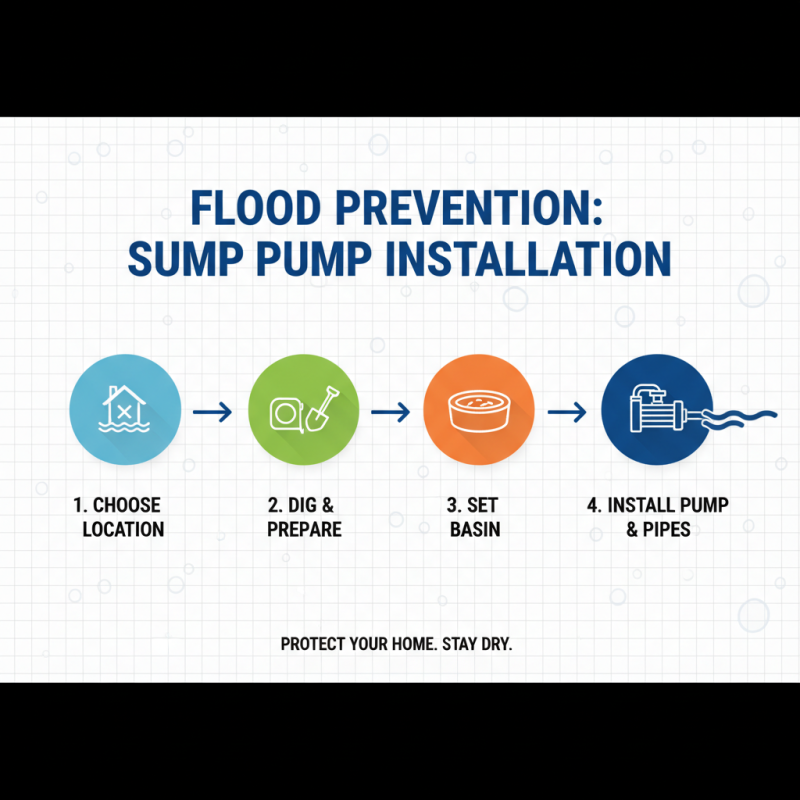
Installing a basement sump pump system is essential for preventing flooding in your home. The installation process begins with selecting a suitable location for the sump basin, ideally at the lowest point of your basement. Measure and mark the area where you will dig, ensuring that it is away from any existing utilities. Use a jackhammer or a shovel to create a hole that will accommodate the sump basin. Once the hole is ready, place the basin into the hole and make sure it sits level.

Next, you will need to connect the sump pump to a power source and install a discharge pipe that leads outside the home. It's crucial to ensure that the discharge pipe is sloped away from the foundation to prevent water from flowing back toward the house. After the plumbing setup, fill the area around the basin with gravel to facilitate drainage. Finally, test the sump pump by pouring water into the basin to check if it activates and effectively pumps water out. Regular maintenance, including checking the pump's power connection and cleaning the sump pit, is necessary to ensure that the system operates efficiently and remains free of debris.

Routine Maintenance Tips for Ensuring Sump Pump Efficiency

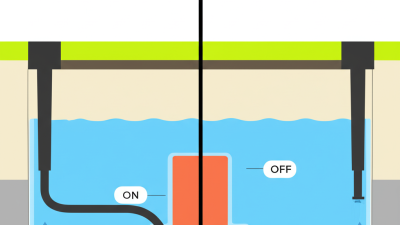
Routine maintenance of a sump pump system is crucial for ensuring its efficiency and longevity, especially in flood-prone areas. According to the American Society of Home Inspectors, approximately 60% of homes in the United States experience some form of water damage. Regular checks can help mitigate this risk significantly. Homeowners should begin with inspecting the sump pump itself at least once a month. This includes testing the float switch, which should move freely and activate the pump when water levels rise. Additionally, it is advised to review the discharge line for any blockages that could impede water flow.

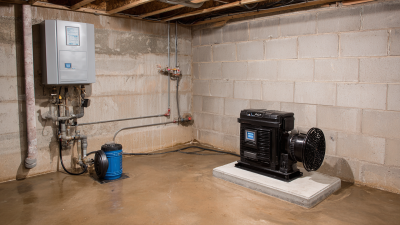
Another essential aspect of maintenance is cleaning the sump pit and pump. Sediment and debris accumulation can hinder the pump's operation. It is recommended that homeowners clean the sump pit at least twice a year by removing any debris and water buildup. Furthermore, an annual inspection of the pump's power source, including battery backup systems if applicable, helps ensure uninterrupted operation during power outages—a significant risk during flooding events. A study from the National Flood Insurance Program reveals that properties with functional sump pumps reduce significant damage during heavy rains, further emphasizing the need for diligent maintenance practices.

Troubleshooting Common Sump Pump Issues and Solutions

How to Install and Maintain a Basement Sump Pump System for Flood Prevention

Troubleshooting common sump pump issues is crucial for ensuring the effectiveness of your flood prevention system. One frequent problem is the sump pump not turning on. This can occur due to a tripped circuit breaker or a faulty float switch. Regularly inspect the electrical connections and the float mechanism to ensure they are functioning correctly. Cleaning any debris around the float can often resolve this issue and allow the pump to activate when needed.

Another common issue is the sump pump running continually. This may indicate that there is excessive groundwater entering the sump basin or that the pump’s discharge line is frozen or blocked. To address this, check the discharge pipe for any obstructions and ensure that the sump pit is not over-saturated. In some cases, adjusting the float level can help regulate the pump’s operation, allowing it to cycle on and off appropriately to prevent unwanted flooding. Regular maintenance and inspection can significantly minimize these issues, ensuring your sump pump system operates efficiently.