What is Silica Aerogel Insulation Benefits and Applications?
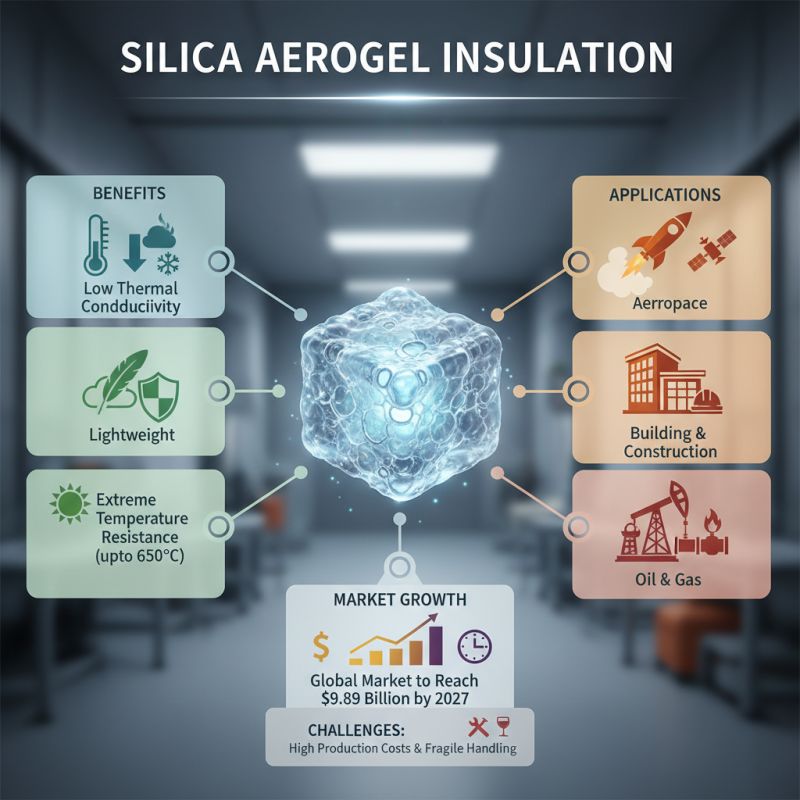
Silica Aerogel Insulation is revolutionizing the field of thermal insulation. With a remarkable low thermal conductivity of 0.013 W/m·K, it outperforms traditional materials. This unique aerogel is lightweight and highly effective, making it a preferred choice across various industries. According to a report by Research and Markets, the global aerogel market is expected to reach $9.89 billion by 2027, highlighting the growing interest in this material.
The applications of Silica Aerogel Insulation are vast. It finds utility in aerospace, building, and oil and gas industries. Its ability to withstand extreme temperatures up to 650°C is noteworthy. However, adoption isn’t without challenges. The production costs remain high, and handling requires precautions due to its fragile nature.
Despite these hurdles, Silica Aerogel Insulation demonstrates exceptional potential. Innovative applications continue to emerge, showcasing its effectiveness in meeting modern insulation needs. There's still much to explore, as industries adopt this advanced material. As we delve deeper into Silica Aerogel Insulation, the insights gained could pave the way for future innovations.
Benefits of Silica Aerogel Insulation in Energy Efficiency
Silica aerogel insulation is gaining attention for its impressive energy efficiency benefits. With a thermal conductivity as low as 0.013 W/m·K, it stands out as one of the most effective insulating materials available. This allows buildings to maintain desired temperatures while significantly reducing energy consumption. Studies show that using silica aerogel can enhance insulation performance by up to 50%, ultimately leading to lower energy bills and reduced carbon footprints.
In commercial buildings, using silica aerogel helps improve energy ratings and meets strict energy codes. A report by the U.S. Department of Energy highlights that buildings using advanced insulating materials can achieve energy savings of 30% or more. This translates to substantial budget savings over time. Silica aerogel’s lightweight nature also means it can be applied in various construction settings without adding significant structural load.
Tips: When considering insulation materials, ensure to evaluate their long-term performance. Silica aerogel may have a higher initial cost, but its durability reduces the need for frequent replacements. Be mindful of installation techniques, as improper application can lead to performance issues. Always consult with professionals to maximize efficiency.
Key Properties of Silica Aerogel that Enhance Insulation Performance
Silica aerogel, often known as the lightest solid material, offers remarkable insulation properties. Its unique structure features a vast network of interconnected pores. This design results in extremely low thermal conductivity, making it a highly effective insulator. It can perform well in extreme temperatures, both high and low. This durability is essential for applications such as aerospace and construction.
Additionally, silica aerogel is highly hydrophobic. It repels water, preventing moisture absorption. This property enhances its insulation performance by reducing the risk of mold and degradation over time. Interestingly, while its lightweight nature and insulation capacity are impressive, some users find it challenging to handle. Care must be taken during installation, as it can be fragile.
Moreover, silica aerogel can be crafted into various forms, such as blankets or panels. This versatility allows it to fit different architectural designs and industrial requirements. However, the cost of silica aerogel may pose a drawback for some projects. Balancing its performance with budget constraints often requires careful consideration. Exploring these factors helps in understanding where silica aerogel truly shines in insulation applications.
Common Applications of Silica Aerogel in Construction and Industry
Silica aerogel is a remarkable material known for its exceptional insulation properties. In construction, it serves as an efficient thermal barrier. Builders use it to enhance energy efficiency in residential and commercial buildings. Its lightweight nature allows for easy installation, reducing labor costs.
In industrial applications, silica aerogel finds its place in oil and gas, aerospace, and even in cold storage. Its ability to withstand high temperatures makes it suitable for insulating pipelines and equipment. Some companies use it for thermal protection in spacecraft. However, its high production costs can be a challenge for widespread adoption.
Despite its benefits, not all projects require silica aerogel. In many cases, traditional insulation materials may suffice. The decision to use it should consider budget constraints and specific project needs. Ultimately, understanding when to utilize silica aerogel is crucial for maximizing its advantages.
Comparative Analysis: Silica Aerogel vs. Traditional Insulation Materials
Silica aerogel has emerged as a prime contender in the insulation market. Research suggests that silica aerogel is six times less conductive than traditional materials, such as fiberglass or foam. This means it achieves superior thermal performance in reduced thickness. A report from the American Institute of Physics indicates that aerogel can lower thermal conductivity to as low as 0.013 W/m·K. This property makes it ideal for applications where space is a constraint, such as in aerospace and high-performance building envelopes.
In terms of fire resistance, silica aerogel outperforms many conventional insulators. It can withstand temperatures exceeding 1,200°C without degrading. Meanwhile, traditional materials often fall short in high-temperature applications. However, the application of silica aerogel insulation can present challenges. Its delicate structure makes installation demanding. Additionally, its cost can be prohibitive compared to materials like fiberglass. While it offers clear benefits, both cost and feasibility must be considered in project planning. Understanding when to choose silica aerogel over traditional insulations requires a careful evaluation of specific project needs.
Future Trends in Silica Aerogel Technology and Its Impact on Insulation
Silica aerogel technology is evolving rapidly. Its unique structure offers exceptional insulating properties. This lightweight material is becoming increasingly popular in construction and aerospace industries. Experts predict a surge in demand for silica aerogel due to energy efficiency concerns.
As sustainability becomes a priority, silica aerogel presents a solution. Its application can reduce energy consumption significantly. Researchers are exploring ways to enhance its thermal performance while keeping costs manageable. Innovations in production methods may lead to more accessible aerogel materials.
However, challenges remain. Production can be resource-intensive. Some experts question its long-term viability compared to traditional insulation. Balancing cost and sustainability will be crucial. Ongoing research may address these concerns, paving the way for broader adoption.
