Essential Tips for Choosing a UV Flatbed Printer?
Choosing the right UV Flatbed Printer can significantly impact your business’s efficiency and output quality. According to a report by Smithers Pira, the global UV printing market is expected to reach $26 billion by 2025. This growth reflects businesses increasingly recognizing the advantages of UV printing technology.
When selecting a UV Flatbed Printer, it’s crucial to consider factors like print speed, resolution, and material compatibility. High-quality printers offer vivid colors and durability. However, not all brands provide the same reliability or service support. Industry experts often note that investing in a reputable brand can save costs in the long run, despite the higher upfront price.
Understanding your specific printing needs is also essential. Some printers excel on rigid materials, while others might be better suited for flexible substrates. The right choice can make a substantial difference in your production line. Reflecting on your needs can prevent over-investment in features that may not benefit your operations.
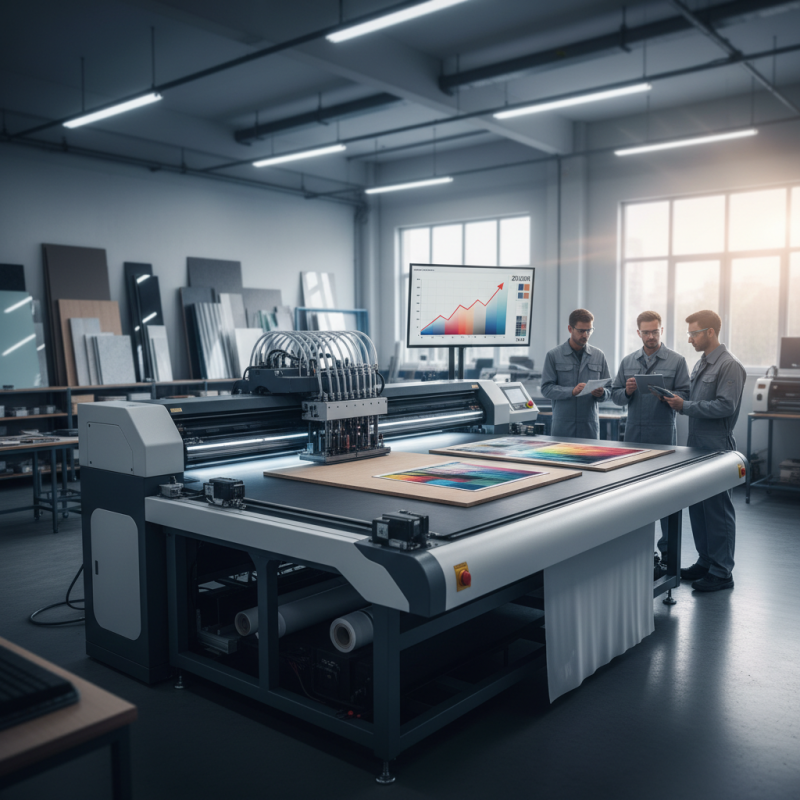
Understanding UV Flatbed Printers: Key Features to Consider
When selecting a UV flatbed printer, it’s vital to understand key features that impact performance. The print head technology significantly influences quality and speed. According to Smithers Pira's report, printers using piezoelectric technology deliver sharper images and faster production rates. This technology allows for variable droplet sizes, enhancing detail in prints while maintaining high speed.
Another crucial aspect is the material compatibility. A well-rounded UV printer should accommodate various substrates, from wood to acrylic. Industry research reveals that 70% of business owners prioritize versatility in materials. This adaptability can drive profitability by allowing broader service offerings. However, not all printers handle certain materials equally well. It requires careful consideration of intended applications.
Additionally, examine the curing technology employed. LED curing offers energy efficiency and faster curing times, making it suitable for production-heavy environments. A 2023 report by Grand View Research notes that the demand for energy-efficient printing solutions is increasing by 15% annually. Despite these advancements, potential users must weigh the initial investment against long-term savings. Deciding on the right machine demands an understanding of your specific business needs and a reflection on how these technologies align with future goals.
Essential Tips for Choosing a UV Flatbed Printer
| Key Feature | Description | Considerations |
| Printing Area | Size of the bed where printing can occur | Ensure it fits your project dimensions |
| Print Resolution | Quality of the image produced, measured in DPI | Higher DPI is better for detailed images |
| Ink Types | Types of inks supported (e.g., eco-solvent, UV ink) | Consider surface compatibility and durability |
| Print Speed | Speed at which the printer can print | Essential for meeting tight deadlines |
| Software Compatibility | Support for design software and RIP settings | Ensure ease of integration into your workflow |
| Maintenance | Requirements for keeping the printer in good working condition | Consider ease of maintenance and support options |
| Cost | Initial purchase price and long-term costs | Evaluate ROI based on your production needs |
Evaluating Print Quality and Resolution in UV Flatbed Printers
When selecting a UV flatbed printer, print quality and resolution are critical factors to consider. Industry studies highlight that a resolution of 1200 dpi often delivers the sharpest images. However, many printers advertise higher numbers, which can sometimes be misleading. It's essential to evaluate actual print samples rather than rely solely on specifications. Look for printers that offer fine details without sacrificing color accuracy.
Consider the size of the printing surface. Larger formats can impact the consistency of print quality across the entire area. A 4’ x 8’ printer may behave differently than a smaller model in achieving uniform resolution. Keep an eye on the materials supported by the printer as well. Different substrates can affect how ink adheres and how colors appear. For instance, rigid materials may absorb ink differently compared to flexible ones.
Here are some tips to keep in mind. Always request test prints from vendors. This gives you a taste of what to expect. Also, inquire about the printer's capabilities for UV light curing. This can have a significant influence on durability and longevity. Lastly, evaluate user reviews for insights into real-world performance. This helps in understanding potential issues or limitations crews may face operationally. Choosing wisely can lead to enhanced print quality and greater customer satisfaction.
Print Quality and Resolution Comparisons in UV Flatbed Printers
This bar chart illustrates the print quality scores of various UV flatbed printers, providing a clear comparison of their performance. Higher scores indicate better print quality, essential for users looking for reliable options for their printing needs.
Assessing the Cost and Budget for UV Flatbed Printer Purchase
When considering the purchase of a UV flatbed printer, budget plays a crucial role. The initial investment can range widely, typically between $10,000 to $100,000, depending on features and capabilities. According to a recent industry report, the global UV flatbed printer market is expected to grow by over 10% annually. This highlights the potential return on investment you might achieve.
Assessing ongoing costs is just as important. Maintenance, inks, and substrates vary significantly. For example, average ink costs can be about $0.10 to $1.00 per square foot, depending on the printer model. Hidden expenses can escalate if not accounted for. Thus, creating a comprehensive budget helps avoid surprises.
Tip: Consider future growth. Choose a printer that can handle increased production needs.
Tip: Factor in potential downtime costs while estimating total expenses.
Remember to consult with industry experts or user reviews to gain insights into reliable options. Balancing upfront costs with long-term sustainability can enhance your purchasing decision.
Exploring Maintenance and Support Options for UV Flatbed Printers
When it comes to UV flatbed printers, maintenance and support play critical roles in ensuring their longevity and efficiency. Regular upkeep can reduce operational downtime significantly. According to industry reports, nearly 30% of printer-related failures stem from inadequate maintenance. This statistic highlights the need for a structured maintenance routine.
Another vital aspect is the availability of support options. Users often face challenges in troubleshooting technical issues, emphasizing the importance of reliable customer support. A study by a leading print industry analyst revealed that 70% of businesses prefer manufacturers who offer comprehensive warranty plans and on-site support services. Prompt assistance can save time and preserve print quality.
Routine checks of print heads and cleaning systems are essential. Neglecting these tasks can lead to quality degradation. In fact, 40% of users reported decreased print quality due to improper maintenance. A proactive approach not only enhances performance but also extends the lifespan of the printer. An understanding of these factors allows businesses to make informed decisions.
Comparing Brands and Models for Optimal Selection of UV Flatbed Printers
When selecting a UV flatbed printer, understanding various brands and models is crucial. Many brands offer unique features, printing speeds, and inks. It might be tempting to focus solely on price. However, assessing build quality and durability is equally important. A printer that breaks down often can cost more in the long run.
Considering the print resolution is essential for specific projects. Some models boast high resolutions ideal for fine details. Others might provide faster output, suitable for bulk projects. Review user experiences to gauge reliability. Read through testimonials and case studies. Sometimes, a model praised for speed lacks the quality needed for detailed work.
Don’t forget about available support and warranties. Research shows that brands with strong customer service scores well among users. It’s wise to consider long-term support for maintenance. Ultimately, a well-researched decision leads to better print outcomes. Taking the time now can save stress and costs down the line. Choose wisely and reflect on the requirements of your projects.
