Top 10 Carburetor Cleaner Suppliers for Global Buyers
Choosing the right Carburetor Cleaner supplier is not simply a price comparison. Global buyers need dependable performance, clear documentation, and stable international delivery. A suitable product should dissolve varnish, fuel residue, and carbon deposits without damaging rubber seals, plastic components, or sensitive coatings. Packaging also matters. Aerosol cans must survive warehouse handling, long transport routes, and changing temperatures.
Eric Cook, automotive repair educator, offers a practical reminder: “Clean parts carefully, and diagnose before replacing.” His point reflects real workshop experience. A powerful cleaner cannot fix a blocked fuel passage, worn gasket, or incorrect engine adjustment. Therefore, supplier evaluation should include technical data sheets, safety data sheets, material-compatibility information, batch consistency, minimum order quantities, and private-label capabilities. Buyers should also check whether suppliers provide sample testing and responsive technical support.
This Top 10 Carburetor Cleaner Suppliers list focuses on manufacturers and distributors serving international customers. It considers formulation quality, production capacity, certifications, packaging options, lead times, and customer feedback. No supplier is perfect. Some publish limited test evidence, while others offer excellent formulas but weak export support. That difference deserves attention. Product claims can sound impressive, yet workshop results may vary with engine age, deposit thickness, and application technique. Global buyers should verify samples before placing large orders. A careful comparison can reduce returns, protect equipment, and support more predictable maintenance outcomes.
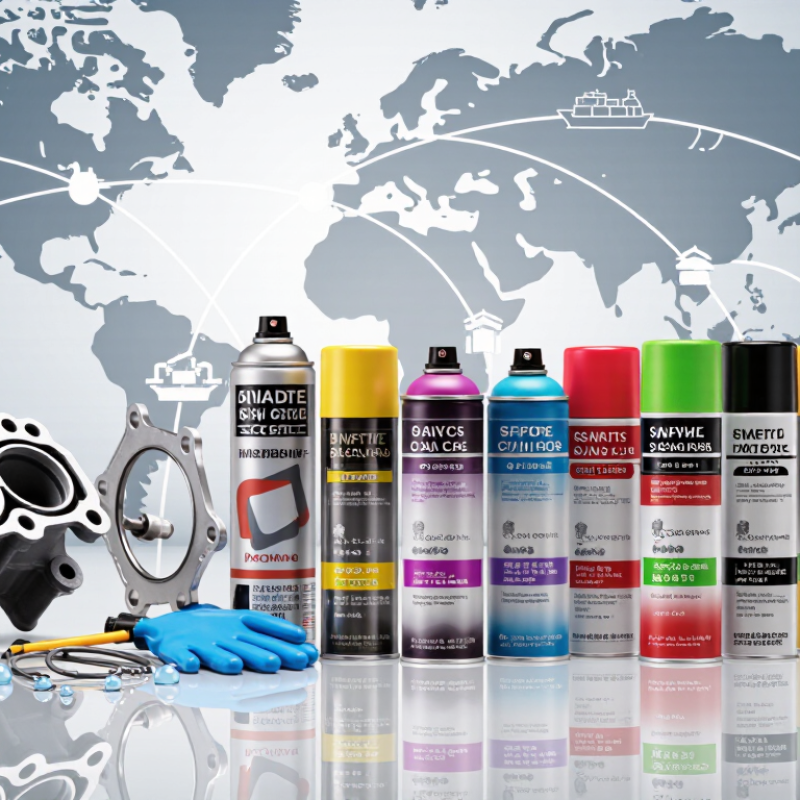
Define the Top 10 Suppliers Using Five Global Buyer Evaluation Criteria
Top 10 Carburetor Cleaner Suppliers for Global Buyers
Global buyers need more than a long supplier list. A practical ranking should measure five criteria: cleaning performance, safety documentation, production capacity, delivery reliability, and total purchasing value. Performance comes first. Test samples on varnish, fuel residue, and carbon deposits. Record cleaning time, surface compatibility, and residue after drying. One impressive sample is not enough.
Safety documentation reveals a supplier’s professional discipline. Check current safety data sheets, ingredient declarations, packaging details, and transport information. Documents should match the actual product batch. They should also be clear for local distributors and workshop users.
Capacity matters during seasonal demand. Ask for monthly output, minimum order quantities, lead times, and backup production plans. A polished factory visit helps, but verified records matter more.
Delivery reliability includes stable packaging, export experience, and accurate tracking. Inspect cartons for leakage risks, damaged valves, and unclear labels. Small defects can create expensive delays. Technical support is another useful measure. Strong suppliers explain application limits, storage conditions, and material compatibility without exaggerated claims.
Finally, compare total value rather than unit price alone. Include freight, testing, rejected goods, payment terms, and after-sales response time. Some low-cost offers become costly after inspection. My own evaluation would still leave room for revision, because supplier data changes, and online claims are not always complete.
Compare Carburetor Cleaner Formulas by VOC Levels, Flash Points, and GHS Classes
For global buyers comparing the top 10 carburetor cleaner suppliers, formula data deserves more attention than catalog claims. A low-VOC product may reduce evaporation, but it may also clean slowly on carbonized deposits. Numbers need context. Ask suppliers for VOC content, test methods, and the exact product format, including aerosol or bulk liquid.
Flash point is equally important during storage and transport. A cleaner with a very low flash point can ignite from a hot surface, spark, or open flame. Higher flash points may improve handling, but they do not make a solvent harmless. Check the SDS, technical data sheet, and recommended storage temperature. Labels can mislead. Values should match the shipped batch, not only an old specification sheet.
GHS classification helps buyers compare hazards across markets. Review flammable-liquid categories, skin irritation, eye damage, and inhalation warnings. The signal word, pictograms, and hazard statements should agree with the current SDS. Suppliers with clear documents, batch traceability, and responsive technical support usually deserve closer consideration. I would also request a small trial sample before a large order. Cleaning speed, residue, nozzle performance, and odor can differ sharply in real workshops. My own comparison process is not perfect; VOC figures sometimes use different calculation rules, making direct rankings unreliable. Verify regional requirements with qualified safety professionals before approval.
Assess MOQ, Lead Time, Production Capacity, and Packaging Options
For global buyers, carburetor cleaner sourcing depends on more than unit price. MOQ, lead time, capacity, and packaging often determine the real landed cost. The 2023 UNCTAD Review of Maritime Transport notes that maritime shipping moves over 80% of global merchandise trade. Small delays can therefore affect inventory plans quickly. Ask each supplier for standard MOQ, trial-order MOQ, and reorder MOQ. A flexible pilot order can reveal filling accuracy and leakage risks before larger commitments.
Production capacity needs evidence. Request monthly output, current utilization, backup equipment, and quality-control records. A supplier may promise short lead times, but seasonal demand can change that promise.
Lead times should separate formula preparation, filling, export documentation, and transit. Industry procurement studies repeatedly identify supplier visibility as a major supply-chain weakness, including findings discussed in Deloitte’s 2024 Global Chief Procurement Officer Survey. I would not rely on a single spreadsheet.
Tips: Compare 12-month capacity data, not one impressive month. Confirm whether the quoted lead time starts after deposit or artwork approval. For packaging, evaluate aerosol cans, trigger bottles, and bulk containers by destination rules. Check closure strength, corrosion resistance, carton drop performance, and label durability. Safety Data Sheets and compliant hazard labels should accompany every shipment. The International Safe Transit Association emphasizes package testing for transport stress. A cheaper container can become an expensive claim. Think carefully.
Rank Supplier Value by Price, Cleaning Performance, and 12-Month Supply Reliability
Top 10 Carburetor Cleaner Suppliers for Global Buyers
A useful supplier ranking should balance price, cleaning performance, and 12-month supply reliability. UNCTAD’s Review of Maritime Transport reports that shipping carries over 80% of global merchandise trade by volume. Freight exposure matters. A low unit price can quickly lose value after delays, surcharges, or emergency purchasing.
For price, compare delivered cost per usable can, not the quoted factory price. For performance, test identical deposits on matching metal parts, then record cleaning time, residue, and surface damage. ASTM testing principles can support repeatable procedures, although no single standard covers every carburetor-cleaner formula. Suppliers with documented batch controls, safety data, and stable viscosity deserve higher scores.
Reliability needs harder evidence. Request monthly shipment records, fill-rate data, production capacity, and backup raw-material sources. A practical score could weight price at 30%, cleaning performance at 40%, and 12-month reliability at 30%. The 2024 Global Chief Procurement Officer Survey identifies supply continuity and risk management as persistent procurement priorities. That supports giving reliability real weight, not treating it as a footnote.
I would still question laboratory-only claims. Workshop results can differ with temperature, deposit age, and nozzle pressure. Short tests mislead. Rank suppliers after three purchase cycles, including one difficult season. A supplier may clean well yet fail during a port disruption. That weakness should remain visible in the final ranking.
Top 10 Carburetor Cleaner Suppliers for Global Buyers
Supplier value is ranked using normalized price competitiveness, cleaning performance, and 12-month supply reliability. Company names are intentionally anonymized.
Higher scores indicate stronger value. Price competitiveness is based on comparable bulk purchasing conditions, while cleaning performance reflects standardized residue-removal testing and supply reliability represents the percentage of orders fulfilled on time over a 12-month period.
