Top 10 Basement Water Solutions to Prevent Flooding in 2025
In the ever-evolving landscape of home maintenance, addressing basement water issues has become a top priority for homeowners. As climate change continues to bring unpredictable weather patterns, the risk of flooding in basements increases significantly. This reality has prompted many individuals to seek innovative and effective solutions to prevent basement water infiltration. The year 2025 stands to bring even more advanced technologies and strategies designed to safeguard our homes from the perils of water damage.
This article presents the "Top 10 Basement Water Solutions to Prevent Flooding in 2025," highlighting both traditional methods and cutting-edge approaches that are poised to make an impact. From improved drainage systems to smart sensors that monitor moisture levels, it is essential for homeowners to consider their options carefully. Protecting our basements is no longer just about repairs; it involves a proactive approach to ensuring that our living spaces remain dry and secure. Join us as we explore these innovative basement water solutions that can help you stay ahead of potential flooding and protect your valuable property in the coming years.

Innovative Waterproofing Techniques for Modern Basements in 2025
As we look ahead to 2025, innovative waterproofing techniques are becoming essential for modern basements, transforming these spaces into reliable havens against flooding. One significant advancement is the use of polymer-based waterproof membranes. These membranes provide an impermeable barrier that adapts to the structural movements of a home, ensuring long-lasting protection against water infiltration. Advanced materials like these not only inhibit leaks but also improve the durability of basement walls.
Another cutting-edge solution is the integration of smart drainage systems equipped with sensors. These systems monitor moisture levels in real-time and respond proactively by activating pumps or opening drainage paths when thresholds are breached. Coupled with enhanced sump pump technologies that include battery backup systems, homeowners can have peace of mind knowing that their basements are equipped to handle excess water even during power outages. These modern techniques represent a significant leap forward in basement waterproofing, marrying technology with engineering to combat the challenges of flooding effectively.
Advanced Drainage Systems: How They Can Minimize Flooding Risks
Advanced drainage systems play a vital role in minimizing flooding risks in residential basements. According to the American Society of Civil Engineers, over 50% of homeowners experience some degree of water damage, highlighting the importance of effective water management solutions. In 2025, integrating advanced drainage technologies can significantly reduce the chances of flooding by directing water away from foundations and ensuring proper dispersal in high-risk areas.
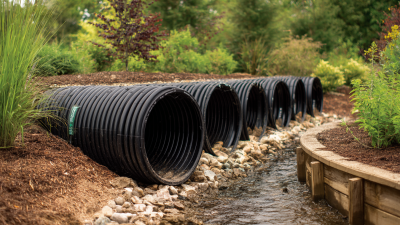
Utilizing systems such as perforated pipes, French drains, and sump pumps can enhance basement protection against water accumulation. A study from the National Institute of Standards and Technology reveals that homes equipped with efficient drainage systems report a 30% lower incidence of basement flooding compared to those without. Additionally, advancements in materials and design have led to more efficient installations, which can adapt to various topographies and weather conditions. Investing in these technologies not only protects property but also contributes to overall home health, making advanced drainage systems an essential component in flood prevention strategies for the future.
Eco-Friendly Solutions for Sustainable Basement Water Management
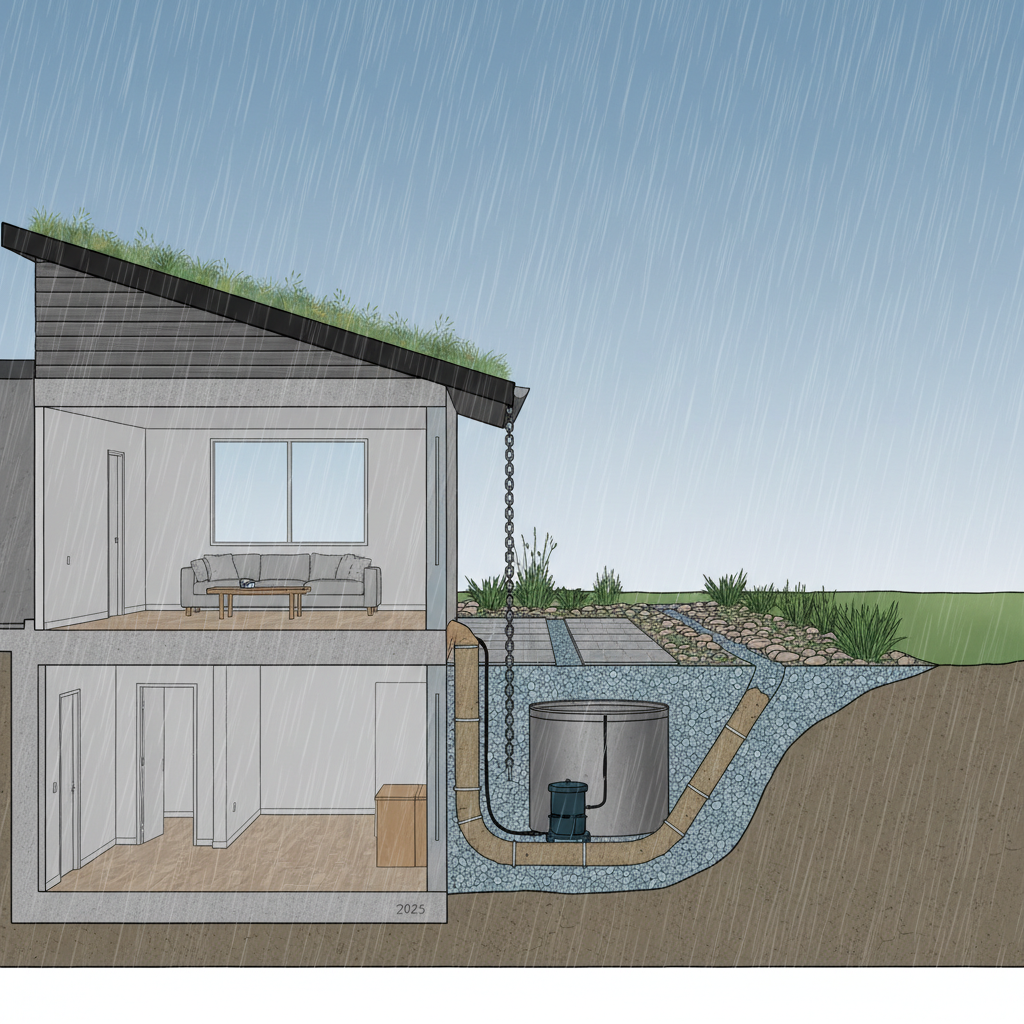
With increasing extreme weather conditions and urbanization, sustainable basement water management is becoming vital for homeowners. Eco-friendly solutions not only mitigate flooding risks but also promote environmental stewardship. New trends emphasize water recycling and efficient water storage, which, according to the Sustainable Water Management Report 2024, can reduce household water consumption by up to 50% when properly implemented. Techniques involving rain gardens and bio-retention basins are increasingly favored. These green infrastructure strategies leverage natural processes to manage stormwater, allowing cities, particularly those facing climate challenges like Metro Detroit, to handle intense rainfall more effectively.
Moreover, the integration of technology within sustainable practices offers innovative solutions. Systems that incorporate smart sensors for monitoring humidity levels can preemptively alert homeowners to potential flooding issues, effectively minimizing damage and repair costs. Recent findings from the Green Building Council indicate that homes designed with eco-friendly materials and systems can experience a 30% reduction in moisture-related problems. As we look towards 2025 and beyond, embracing these sustainable water management practices not only safeguards our homes but also contributes positively to our ecosystems.
Top 10 Basement Water Solutions to Prevent Flooding in 2025
This chart illustrates the effectiveness score of various basement water prevention solutions expected to gain prominence in 2025. Each solution is rated on a scale from 1 to 10 based on its efficiency in preventing flooding and managing water levels sustainably.
Smart Technology Integration for Real-Time Flood Monitoring
As flooding incidents continue to pose significant threats to properties, the integration of smart technology in flood monitoring systems has emerged as a primary solution. By leveraging real-time data collection and analysis, homeowners can now receive alerts and actionable insights regarding rising water levels in their basements. This proactive approach not only aids in preventing water damage but also enhances overall disaster response strategies.
The convergence of artificial intelligence, IoT devices, and advanced satellite imaging is driving the evolution of flood management technologies. Systems empowered by these innovations can detect changes in environmental conditions and communicate critical information to users instantly. Moreover, this intelligent network empowers insurance providers to assess risks more accurately and respond to client needs effectively, paving the way for advanced risk management solutions in flood-prone areas. As the technology landscape continues to evolve, its application in flood monitoring will play a vital role in safeguarding properties and ensuring public safety in the years to come.
Essential Maintenance Tips for Long-Term Basement Flood Prevention
Preventing basement flooding requires proactive maintenance and a strategic approach. Start by regularly inspecting your gutters and downspouts to ensure they are clear of debris. Clogged gutters can lead to water overflow, which can seep into your basement. It's recommended to clean them at least twice a year, especially before the rainy season. Additionally, ensure that your downspouts extend at least six feet away from your foundation to direct water away from your home.
Another crucial tip is to check your basement for cracks and seal them promptly. Small fissures can allow water to infiltrate during heavy rains. Use a high-quality waterproof sealant to patch any visible cracks, and consider applying a waterproof coating to the walls. Regularly testing your sump pump is also vital—make sure it’s functioning effectively by pouring water into the pit to see if it activates. This simple maintenance can make all the difference in preventing flooding issues when heavy rains hit in 2025 and beyond.
Top 10 Basement Water Solutions to Prevent Flooding in 2025
| Method |
Effectiveness |
Cost Estimate |
Maintenance Frequency |
| Sump Pump Installation |
High |
$500 - $2,000 |
Annual |
| Waterproofing Membrane |
Very High |
$2,000 - $4,000 |
Every 5 years |
| French Drain System |
High |
$1,500 - $3,000 |
Every 2 years |
| Gutter Maintenance |
Moderate |
$100 - $300 |
Twice a year |
| Damp-proofing Coating |
Moderate |
$500 - $1,500 |
Every 3-5 years |
| Landscaping Grading |
High |
$500 - $1,000 |
As needed |
| Window Well Covers |
High |
$100 - $400 |
Annual |
| Interior Drainage Systems |
Very High |
$3,000 - $5,000 |
Every 5 years |
| Sealing Foundation Cracks |
High |
$200 - $800 |
As needed |
| Regular Inspections |
Essential |
$150 - $300 per visit |
Annual |