What Is a Backup Sump Pump and How Does It Work?
A sump pump quietly protects a basement by removing groundwater before it reaches the floor. During heavy rain, however, the primary pump may fail, lose power, or become overwhelmed. That is where a back up sump pump becomes valuable. It provides a second line of defense when the main system cannot keep pace.
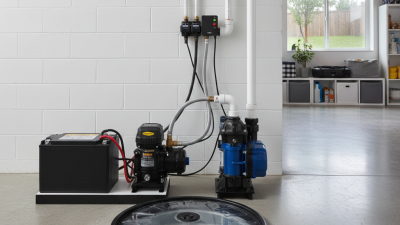
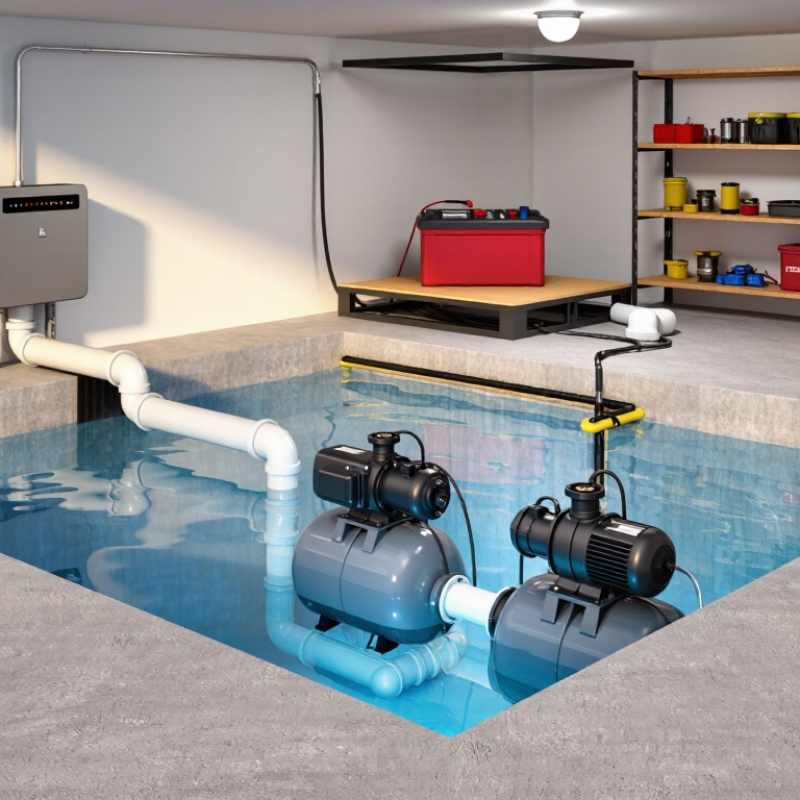
Most backup pumps sit inside, or beside, the existing sump pit. A battery-powered model starts when a float switch detects rising water. Some water-powered systems use household water pressure instead. The pump pushes water through a separate discharge pipe, usually with a check valve to prevent backflow. A control panel may sound an alarm when the battery is weak, the pump runs too long, or water rises unexpectedly.
The details matter more than many homeowners expect. A battery must be tested and replaced according to its condition, not merely its age. The pit needs enough space for both pumps, and the discharge line should drain safely away from the foundation. During inspection, look for mud, ice, loose wiring, and a stuck float. Small faults can become expensive quickly.
No backup system is completely foolproof. A dead battery, blocked pipe, or neglected alarm can still leave a basement vulnerable. Testing the pump with a bucket of water offers useful reassurance, though it cannot imitate every storm. Understanding how the system works helps homeowners choose suitable equipment, recognize warning signs, and arrange professional service when installation exceeds their experience.
What Is a Backup Sump Pump?
A backup sump pump is a secondary pump installed beside a primary sump pump. It protects a basement when the main pump fails, loses power, or cannot handle incoming water. Most systems use a battery, water-powered mechanism, or separate electrical circuit. The backup activates through a float switch or electronic sensor. It then removes water through a discharge pipe, helping prevent flooding around the foundation.
The need is measurable. The Insurance Information Institute, using ISO data from 2017–2021, reported that water damage and freezing caused about 29.7% of homeowners insurance claims. The average claim cost was approximately $12,514. A backup sump pump cannot prevent every loss, but it can reduce the time water remains on the floor. That matters when heavy rain fills the pit faster than expected.
During an inspection, check the battery date, alarm, float movement, and discharge outlet. A sealed battery may look reliable while quietly losing capacity. That is easy to miss. Test the system by adding water to the sump pit, not by lifting the float only. The pump should start smoothly and move water outside. Keep the backup discharge away from the foundation, or the water may return. I would not treat any backup as maintenance-free. Regular testing remains the unglamorous part.
What Is a Backup Sump Pump and How Does It Work?
| Data Dimension |
Description |
Typical or Relevant Information |
| Definition |
Backup sump pump |
A secondary pump installed to remove water when the primary sump pump cannot keep up or stops operating. |
| Primary Purpose |
Flood-risk reduction |
Provides an additional layer of protection for the basement or crawl space during heavy rain, pump failure, or a power outage. |
| Main Activation Method |
Water-level control |
A float switch or electronic sensor detects rising water and starts the backup pump at a preset level. |
| Common Power Sources |
Electricity or battery power |
Systems may use utility power, a rechargeable battery, or a water-powered mechanism where local water pressure and regulations permit. |
| Operation During a Power Outage |
Independent backup power |
A battery-backed unit can continue operating if its battery is charged and the discharge piping remains clear. |
| Operating Sequence |
Automatic pumping cycle |
Water rises in the sump pit, the sensor activates the pump, the pump pushes water through the discharge pipe, and the pump stops when the water falls to the shutoff level. |
| Installation Position |
Inside or beside the sump pit |
The backup pump is commonly mounted in the same sump pit as the primary pump, with separate or properly arranged discharge plumbing. |
| Pump Capacity |
Varies by model and installation |
Actual flow depends on pump output, vertical lift, pipe diameter, pipe length, fittings, and backpressure; the published flow rate should be checked at the required lift height. |
| Battery Runtime |
Dependent on system conditions |
Runtime is affected by battery capacity, pump load, water inflow, discharge height, temperature, battery age, and maintenance condition. |
| Alarm and Alerts |
Optional or integrated notification |
Some systems provide audible alarms or remote notifications for high water, low battery, pump activation, or system faults. |
| Check Valve Function |
Prevents reverse flow |
A properly installed check valve helps stop discharged water from flowing back into the sump pit after the pump shuts off. |
| Key Maintenance Tasks |
Routine inspection and testing |
Test the pump, inspect the float or sensor, clean the pit, check the discharge line, inspect connections, and maintain or replace the battery according to its service requirements. |
Why a Backup Sump Pump Is Needed
What Is a Backup Sump Pump and How Does It Work?
Why a Backup Sump Pump Is Needed
A backup sump pump protects a basement when the primary pump cannot keep up. Heavy rain can fill a sump pit within minutes. A power outage can stop an electric pump completely. That is when standing water may reach flooring, walls, stored boxes, and electrical equipment.
Most backup systems use a battery-powered pump. A float switch detects rising water in the pit. The backup pump then starts automatically and sends water through a separate discharge line. Some systems use a water-powered design instead. Each option has limits, so the basement’s water volume and local conditions matter.
A backup pump is especially valuable in areas with storms, unreliable electricity, or a high water table. It also helps when the main pump fails from a blocked intake, worn motor, or stuck switch. A working check valve prevents discharged water from flowing backward.
Small details matter.
A battery can lose capacity before it appears defective. The discharge pipe can freeze or become clogged. The backup may also be installed too close to the primary pump, reducing pit space. Regular testing should include lifting the float, checking the alarm, and inspecting the battery terminals. Many homeowners test the system once and assume it will always work. That assumption is risky. Even a properly installed backup pump needs inspection, replacement parts, and occasional professional evaluation.
Main Components of a Backup Sump Pump System
What Is a Backup Sump Pump and How Does It Work?
A backup sump pump system protects a basement when the primary pump stops. The main components include a secondary pump, an independent float switch, a check valve, and a separate discharge line. The backup pump usually uses a deep-cycle battery or municipal water pressure. Battery models need a charger, sealed enclosure, and clear status indicators. The sump pit also matters. A cramped pit can restrict the float switch and delay activation. I have seen systems fail because the pump worked, but the discharge pipe was blocked by ice.
Power protection is only one reason to install a backup. The Insurance Information Institute, using ISO data from 2018–2022, reports that water damage and freezing represented 21.9% of homeowners insurance claims, with an average loss of about $13,804. That figure does not measure sump failures alone, but it shows the financial weight of uncontrolled water. A high-water alarm adds another layer by sending an audible warning before flooding becomes severe. Some systems also include remote alerts, although cellular service can be unreliable during storms.
A backup is not maintenance-free. Battery terminals need inspection, float switches need testing, and check valves can collect debris. Test it with rising water, not only a button. That detail is easy to miss. The NFPA 70 National Electrical Code also requires proper electrical protection and installation practices around wet locations. In practice, a redundant discharge route may be more valuable than a larger battery. Mistakes happen. The system should be reviewed after every major storm.
What Is a Backup Sump Pump and How Does It Work?
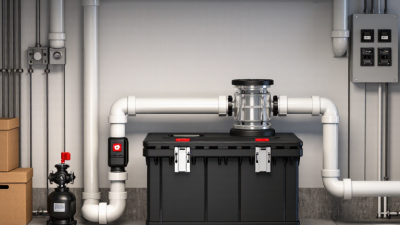
A backup sump pump removes groundwater when the primary pump fails or the power goes out. A typical system includes a secondary pump, check valve, discharge pipe, battery, charger, and water-level alarm.
Typical backup pump performance: As the discharge head increases, the pump must work against greater resistance, so its water-removal capacity decreases. Actual performance varies with pump design, pipe diameter, battery condition, and installation height.
How a Backup Sump Pump Works Step by Step
A backup sump pump protects a basement when the primary pump stops working. It may respond to a power outage, mechanical failure, or unusually heavy rainfall. The unit usually sits beside the main pump inside the sump pit. Its intake remains low enough to remove rising water.
The process begins when water enters through foundation drains. As the water level rises, a float switch moves upward. The backup controller detects this movement and starts the secondary pump. Some systems use a battery, while others rely on household water pressure. The pump pushes water through a discharge pipe and away from the foundation. A check valve helps prevent expelled water from flowing back into the pit.
That small valve matters. Without it, the pump may repeatedly move the same water.
The battery system continues operating when electricity fails. Its controller may sound an alarm when power is lost or the battery becomes weak. During a test, pour water into the pit slowly and watch the float rise. The backup should start before the water reaches the rim.
I have seen homeowners test only the motor, not the discharge line. That misses blockages, frozen pipes, and loose connections. A backup pump also needs periodic battery checks and pit cleaning. A neglected system can look ready while remaining unable to handle a real storm.
Types of Backup Sump Pumps and Their Power Sources
A backup sump pump keeps removing water when the primary pump fails, loses power, or cannot handle a sudden inflow. It usually sits beside the main pump and starts through a float switch or water sensor. FEMA’s flood guidance estimates that one inch of indoor flooding can cause about $25,000 in damage. That figure makes redundancy practical, not excessive. However, actual losses vary with flooring, furniture, and cleanup speed.
Battery-powered pumps are common because they operate during electrical outages. Their performance depends on battery capacity, pump load, and testing frequency. A sealed lead-acid battery may need replacement after several years. Lithium systems can offer longer service life, but their controls require careful compatibility checks. Water-powered pumps use municipal water pressure instead of electricity. They need suitable plumbing and may consume significant water during operation. Generator-connected pumps provide longer runtime, especially during extended storms. They require safe outdoor generator placement and proper transfer equipment. Combination systems use two pumps and separate power sources. More protection, but more maintenance. The U.S. Energy Information Administration’s reliability reporting shows that major weather events can sharply increase outage duration, supporting a second power source. The weak point is often overlooked testing. No setup is perfect. Testing the float, alarm, battery, and discharge line before storm season can reveal failures early.