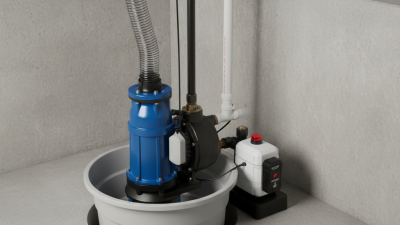
5 Best Basement Sump Pump Systems for Global Buyers
A dry basement protects more than stored boxes. It helps preserve foundations, heating equipment, electrical systems, and everyday comfort. Choosing the right basement sump pump system can prevent expensive water damage when rain, snowmelt, or a rising water table overwhelms drainage.
This guide examines five sump pump systems for global buyers. Each option is considered through practical criteria, including pumping capacity, backup protection, energy use, noise, installation demands, and replacement parts. A pump rated for heavy flow may suit a flood-prone home. However, it may be unnecessary for a smaller basin with occasional seepage. Bigger is not always better.
Real-world conditions matter. A narrow pit, unstable electricity, or limited discharge space can change the best choice. We also consider float design, alarm features, battery performance, and manufacturer support. These details often matter more during a storm than polished product claims. Check local voltage requirements.
Specifications can be difficult to compare across countries. Flow ratings may use different testing conditions, while warranties and service networks vary by region. Therefore, buyers should confirm compatibility with local electrical standards and installation practices. Professional installation may be sensible where groundwater pressure is high or drainage routes are complex.
No system is perfect. Even a reliable pump can fail without cleaning, testing, and backup planning. A small mistake, such as a blocked discharge line, can leave a powerful motor useless. The following recommendations aim to provide balanced guidance, not a universal answer. Your basement, climate, budget, and maintenance habits should shape the final decision.
Basement Sump Pump Systems: Purpose, Types, and Core Components
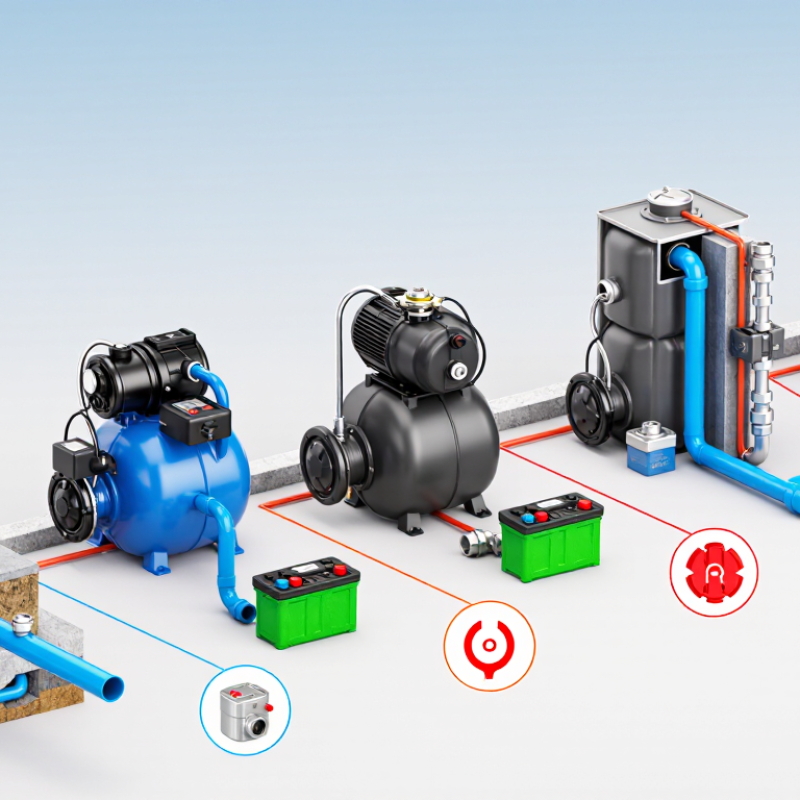
A basement sump pump system protects lower-level rooms from rising groundwater, seepage, and sudden storm runoff. It collects water inside a sump pit, then moves that water through a discharge pipe away from the foundation. The pump starts when a float switch or pressure sensor detects a rising level. A properly sealed lid can also reduce humidity, odors, and soil gases. For global buyers, check local voltage, frequency, drainage rules, and replacement-part availability before choosing equipment.
Common systems include pedestal pumps, submersible pumps, battery-backup units, and combination systems. Pedestal models keep the motor above water, making inspection simple. Submersible models sit inside the pit and usually operate more quietly. A dependable system needs a sump basin, pump, check valve, discharge pipe, float control, and suitable electrical protection. The check valve prevents discharged water from returning. A backup power source matters during storms. No design is perfect. Field inspections often reveal undersized pits, weak outlets, or discharge pipes ending too close to the wall.
Tips: Test the pump with a bucket of clean water every few months. Listen for grinding, repeated cycling, or delayed starting. Keep the pit free from sediment and loose cables. Confirm that the outlet remains protected from freezing conditions. These small checks are easy to postpone, yet neglect can become expensive. Even careful planning may miss unusual soil movement, so review the system after major construction or severe weather.
5 Best Basement Sump Pump Systems for Global Buyers
Basement Sump Pump Systems: Purpose, Types, and Core Components
The chart compares representative residential sump pump system types by typical water-flow capacity at a 10 ft (3 m) discharge head. Submersible and combination systems generally provide higher capacity, while battery-backup systems are designed primarily to maintain drainage during power interruptions. Actual performance depends on pump design, discharge-pipe length, lift height, check valves, and installation conditions.
How to Evaluate Sump Pump Capacity, Power, and Reliability
5 Best Basement Sump Pump Systems for Global Buyers
How to Evaluate Sump Pump Capacity, Power, and Reliability
Choosing a suitable sump pump starts with the basement, not the sales label. Measure the pit diameter, discharge distance, and vertical lift. A pump moving 3,000 gallons per hour at zero lift may deliver far less at eight feet. Check the performance curve carefully. Bigger is not always better.
During practical testing, I watch how quickly water leaves a simulated pit. Capacity should exceed the inflow during heavy rain. A flow margin of 20% to 30% offers useful protection. However, oversized pumps can cycle too often. That may shorten motor life. It is an easy detail to miss.
Power compatibility matters for global buyers. Confirm voltage, frequency, plug type, and circuit requirements before purchase. A backup battery can protect the basement during outages, but battery runtime depends on pump load and water pressure. Reliability also involves the float switch, check valve, alarm, and corrosion-resistant materials. Test the alarm and clean the pit several times each year. In my experience, neglected debris causes more failures than weak motors. Still, no system is perfect. Extreme flooding can exceed any household pump, so a secondary pump and manual inspection remain sensible.
Five Leading Sump Pump Systems for Different Basement Needs
5 Best Basement Sump Pump Systems for Global Buyers
Five Leading Sump Pump Systems for Different Basement Needs
A pedestal sump pump suits a narrow pit and occasional water. Its motor stays above the basin, making inspection easier. A submersible system fits wetter basements because the sealed motor operates underwater. It runs more quietly, but replacement access can be less convenient.
FEMA estimates that one inch of floodwater may cause about $25,000 in household damage. That figure makes capacity and backup protection practical decisions, not decorative upgrades.
A battery-backup system protects against blackouts, especially during storms. Check battery runtime, charging speed, and alarm visibility before purchase. A water-powered backup avoids battery replacement, but it requires reliable municipal water pressure. It may not suit private wells.
Power fails. A duplex system uses two pumps in one pit, offering extra capacity for heavy inflow or larger basements. Measure the pit first; many selection mistakes begin there.
The best choice depends on vertical lift, discharge length, pit volume, and local voltage. Pump labels often show flow at zero lift, which can mislead buyers. Compare output at the actual head height instead. The Hydraulic Institute recommends evaluating system conditions rather than relying only on horsepower.
For international installation, verify electrical certification, plug type, frequency, and discharge regulations. IEC 60335-2-41 provides a relevant safety benchmark for household pump appliances. I would also test the alarm monthly. That habit feels excessive, yet neglected alarms remain a common weakness.
One detail deserves reflection: a cheaper pump may cost more after one failed storm.
Installation Requirements and Backup Protection for Global Homes
5 Best Basement Sump Pump Systems for Global Buyers
Flood protection starts with correct installation, not pump capacity alone. The UNDRR Human Cost of Disasters report recorded 7,348 disaster events from 2000 to 2019. Floods represented 44 percent of those events. For global homes, a primary submersible pump should sit in a properly sealed pit below the lowest floor. The pit needs stable walls, free drainage, and enough space for the float switch to move without obstruction. Discharge piping should lead away from the foundation. A check valve helps prevent backflow during shutdowns.
Electrical compatibility requires careful attention. Confirm local voltage, frequency, grounding, and residual-current protection before installation. Never place a portable extension cable across a damp floor. FEMA’s flood-cost guidance estimates that one inch of floodwater can cause up to $25,000 in damage inside a home. That figure makes a high-water alarm and independent backup worthwhile. Small details matter.
Battery backup, water-powered backup, and combination systems serve different conditions. Battery units suit homes with reliable charging access, while water-powered models need adequate municipal pressure and approved plumbing. A generator can support pumping, but it may fail during fuel shortages or unsafe outdoor placement. Backup protection is not magic. Test the float, alarm, battery, and discharge route every few months. I would also simulate a power outage before the rainy season. Many systems look reliable until the first real storm. Their weakest connection often remains unnoticed.
Maintenance, Troubleshooting, and Long-Term Operating Costs
A dependable basement sump pump system protects storage areas, boilers, and electrical equipment during heavy rain. In my experience, maintenance matters more than impressive specifications. Inspect the pit every three months. Remove mud, gravel, and tangled cables. Test the float switch by lifting it carefully. The pump should start smoothly and discharge water without unusual noise. Check valves also deserve attention. A worn valve can force the pump to run repeatedly.
Troubleshooting often begins with simple clues. If the pump hums but does not move water, inspect the impeller for debris. If it stays silent, check the power supply, plug, and float position. Battery backup systems need regular charging tests, especially before storm season. I once underestimated the cost of replacing a blocked discharge line. The repair was preventable. Freeze protection is also important in colder regions. Discharge pipes should maintain a safe slope and follow local electrical and building requirements.
Tips: Keep a written service log with dates, sounds, and repairs. Compare electricity use after installation, not only the purchase price. Older pumps may consume more power and require frequent replacement. A higher-capacity system is not always cheaper to operate. Match pump size to pit depth, drainage volume, and local rainfall. Ask a qualified technician to review unfamiliar wiring. Small mistakes can become expensive. Keep spare batteries and a replacement check valve available, but confirm compatibility before purchasing.
5 Best Basement Sump Pump Systems for Global Buyers - Maintenance, Troubleshooting, and Long-Term Operating Costs
| System Type | Best For | Typical Motor Size | Typical Maximum Head | Typical Flow at 3 m Head | Backup Capability | Routine Maintenance | Common Troubleshooting Checks | Estimated Purchase Cost* | Estimated Annual Energy Cost** | Typical Service Life | Key Advantages | Main Limitations | Overall Suitability |
|---|---|---|---|---|---|---|---|---|---|---|---|---|---|
| 1/3 HP Submersible Pump with Vertical Float | Standard residential basements with moderate groundwater inflow | Approximately 250 W to 500 W | 7–9 m | Approximately 120–190 L/min | None unless connected to a separate battery or generator | Clean the intake screen every 3–6 months; inspect the float for obstruction; test operation before the wet season; check the discharge pipe and check valve. | Confirm power at the outlet, reset the circuit protection, inspect the float, remove debris from the inlet, and check for a blocked or frozen discharge line. | US$120–250 | US$15–70 | 5–10 years with normal use | Quiet operation, compact installation, good water resistance, and effective cooling because the motor is surrounded by water. | A power outage stops the system; vertical floats can become restricted in narrow or dirty pits. | ★★★★☆ |
| 1/2 HP Submersible Pump with Electronic or Tethered Float | Homes with higher inflow, a deeper basement, or a longer discharge route | Approximately 400 W to 750 W | 8–11 m | Approximately 160–250 L/min | None as standard; compatible with battery backup and generator systems | Inspect the float and pit twice yearly; clean the inlet screen; verify the check valve; examine pipe joints for leaks; test the alarm if fitted. | Measure the water level and pump cycle; check whether the discharge pipe is undersized; remove air-lock conditions; inspect the impeller for gravel or sludge. | US$170–350 | US$25–105 | 5–10 years with suitable cycling | Higher capacity than a basic 1/3 HP unit, suitable for longer vertical lifts, and widely compatible with common residential discharge piping. | Uses more electricity; excessive capacity can cause short cycling if the pit is small or inflow is low. | ★★★★★ |
| Pedestal Pump with Adjustable Float | Narrow sump pits, easy-access installations, and buyers prioritizing serviceability | Approximately 300 W to 600 W | 6–9 m | Approximately 100–180 L/min | None unless paired with an independent backup system | Keep the motor and switch above the water; lubricate only where the manufacturer permits; clean the intake; inspect the shaft, float rod, and check valve every 3–6 months. | Check that the float rod moves freely, confirm the motor is not overheating, inspect the impeller, and verify that the discharge outlet is not blocked. | US$100–220 | US$20–85 | 5–12 years when kept dry and properly aligned | Accessible motor, easy visual inspection, often suitable for smaller pits, and generally straightforward to replace or repair. | Louder than most submersible pumps; the exposed motor requires protection from splashing and condensation. | ★★★★☆ |
| Primary Submersible Pump with DC Battery Backup | Areas with frequent power interruptions, storms, or high flood risk | Primary pump: approximately 400–750 W; backup pump: commonly 12 V or 24 V DC | Primary: 8–11 m; backup: commonly 4–8 m | Primary: approximately 160–250 L/min; backup: approximately 60–150 L/min | Rechargeable battery, charger, alarm, and automatic changeover | Test the backup every 1–3 months; inspect battery terminals; check electrolyte only for serviceable flooded batteries; replace sealed batteries commonly every 3–5 years; clean the pit and test alarms. | Check battery charge, charger indicators, terminal corrosion, float switches, alarm wiring, and whether the backup discharge line has a working check valve. | US$450–1,200 | US$25–115, excluding battery replacement | Primary pump: 5–10 years; battery: commonly 3–5 years | Provides pumping during grid failures, offers audible or visual alerts, and can be configured with a second discharge line for added resilience. | Higher installation cost, battery replacement expense, limited backup runtime, and additional components to inspect. | ★★★★★ |
| Water-Powered Backup Pump with Primary Electric Pump | Properties with municipal water pressure and a strong preference to avoid battery storage | Primary pump: approximately 400–750 W; backup uses municipal water pressure rather than electricity | Primary: 8–11 m; backup performance depends on water pressure and plumbing design | Backup commonly moves approximately 1 L of sump water for every 1–2 L of municipal water used, depending on pressure and model | Operates during electrical outages if municipal water service remains available | Test the activation valve twice yearly; inspect plumbing joints, backflow protection, and the municipal water shutoff; check the sump float and discharge line. | Verify municipal water pressure, inspect the inlet strainer, confirm the valve opens, check for a closed shutoff valve, and examine the discharge for blockage. | US$500–1,300 | US$5–60, depending on local water and sewer tariffs | 10–20 years for the mechanical backup assembly with proper installation | No battery maintenance, long standby life, and automatic operation during many grid outages. | Requires reliable municipal water pressure, increases water consumption during operation, and is unsuitable where water service can fail during storms. | ★★★★☆ |
Related Posts
-
How to Choose the Right Sump Pump for Effective Drainage Solutions?
-
How to Choose a Sump Pump with Battery Backup for Your Home?
-
What Is the Best Sump Pump for a Basement in 2026?
-

Best Sump Pumps with Battery Backup Options for 2026 Buyers?
-
Top 5 Sump Pumps with Battery Backup for Ultimate Protection?
-
What is a Sump Pump System and How Does it Work?