2026 Top Float Pump Types How to Choose the Best One?
A float pump keeps its intake near the water surface while the water level changes. You may see one working in a reservoir, irrigation canal, construction pond, or emergency drainage area. From the bank, the setup can look simple: a pump rests on a buoyant frame, and a hose carries water to its destination. The details matter, though. Flow rate, required pressure, water depth, debris, and distance all affect performance. A unit that handles clear water may struggle when leaves, silt, or floating weeds reach the intake.
In 2026, buyers can compare several common designs, including floating submersible pumps, pontoon-mounted centrifugal pumps, and compact portable units. Each suits different conditions. A submersible model can reduce priming concerns, while a surface-mounted pump may be easier to inspect and service. Neither is automatically better. Check the manufacturer’s pump curve, recommended operating range, float capacity, hose connections, and materials before choosing. Also consider how the unit will be anchored and retrieved; a good pump is less useful if it drifts or is difficult to maintain.
Start with the job, not the product label. Estimate the water volume and lift, then allow for pressure losses through the hose and fittings. Think about power access, transport, and routine cleaning. Small details count. A screen that clogs repeatedly can turn an efficient setup into a daily chore. This guide compares float pump types and explains which practical checks help match a model to its site. There is no perfect choice for every pond or project, and published specifications cannot replace careful site assessment.
What Is a Float Pump and How Does It Work?
What Is a Float Pump and How Does It Work?
A float pump uses a buoyant float to control when a pump starts or stops. In many drainage systems, the pump sits below the waterline, while a tethered or vertical float rises as water collects. At a set level, the float tilts or lifts a switch, completing the control circuit and starting the motor. As the water level drops, the float falls and switches the pump off. Simple in principle. The exact action depends on the float design and installation.
The float does not measure water depth with precision; it responds to a preset position. A suitable gap between start and stop levels helps prevent rapid cycling, which can wear the motor and switch. Check that the float moves freely and cannot catch on a pipe, wall, or debris. It sounds obvious, but cramped pits make this easy to miss. The U.S. Department of Energy’s Improving Pumping System Performance guide notes that pumping systems use nearly 20% of global electricity and can account for 25–50% of energy use in some industrial facilities. Those figures cover pumping systems broadly, not float-controlled pumps alone. For a household sump or drainage pit, choosing the right capacity and float range still matters: a float switch cannot compensate for an undersized pump or a blocked intake.
Which Float Pump Types Are Available in 2026?
Which Float Pump Types Are Available in 2026?
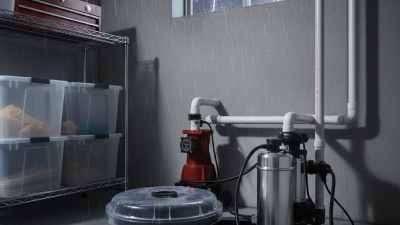
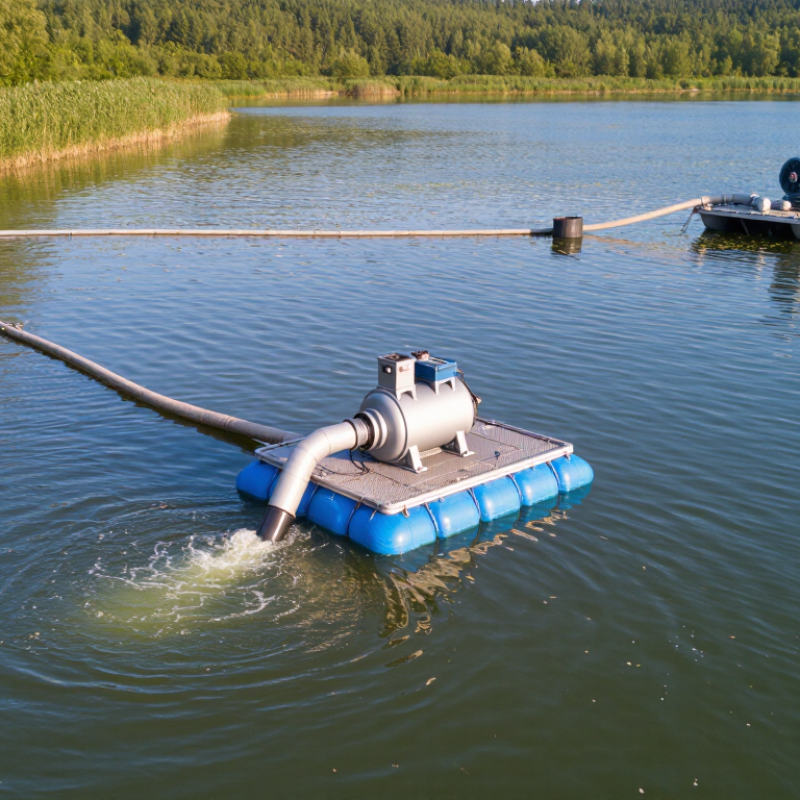
Float pumps generally fall into several practical groups. Floating centrifugal pumps move relatively clean water at useful flow rates, making them common for ponds, reservoirs, and temporary drainage. Floating trash pumps handle water with leaves or small debris, though their screens still need regular cleaning. For deeper pits or flooded basements, a submersible pump with a float switch starts and stops automatically as water levels change. Pontoon-mounted systems support larger pumps on the surface and suit canals or wide, shallow water. Different jobs, different equipment.
Scale matters. The USGS estimated that the United States withdrew about 322 billion gallons of water per day in 2015, across public supply, industry, irrigation, and other uses (USGS Circular 1441, 2018). That national figure is not a float-pump sales measure, but it shows why water transfer needs vary widely. For selection, compare flow rate, lift height, solids-handling capacity, power source, and float stability. Check the actual pump curve, not just the advertised maximum flow. A high-flow unit may struggle against a long discharge hose. Small detail. Also inspect the float switch’s operating range and test it in the water conditions you expect. Mud, weeds, and waves can cause unreliable starts; sometimes the simplest-looking setup needs the most adjustment.
What Factors Affect Float Pump Performance?
Float-pump performance depends on more than motor size. Flow rate, total head, and water level must match the duty point. The U.S. Department of Energy’s Improving Pumping System Performance guide notes that pump-system improvements can reduce energy use by 20% to 50% in some applications. That range is not a promise for every installation; actual results depend on system design and operating conditions. Check the pump curve against the required flow and head, rather than choosing by horsepower alone.
Water conditions matter. Sediment, leaves, and other solids can obstruct the intake, while a long or sharply bent discharge hose adds resistance. Keep the floating intake clear of the bed, and inspect it after water levels change. The Hydraulic Institute’s ANSI/HI 9.6.1 guidance addresses net positive suction head (NPSH) margin, a key factor in limiting cavitation. Listen for rattling and watch for unstable flow. Small warning signs.
Float stability also affects performance. Waves, uneven loading, or a tether pulling sideways can tilt the unit and reduce intake submergence. Confirm the float remains level at the expected operating depth, and allow enough clearance for hoses to move freely. Ambient temperature and run time can affect motor cooling, too. Field measurements are useful, but they can be imperfect; record water level, flow, and discharge pressure during testing, then compare readings under similar conditions.
How Do You Match a Pump Type to Your Application?
Match the pump to the liquid, not just the flow rate. A floating pump draws water from the surface, making it useful in ponds, reservoirs, and temporary sites where fixed intake pipes are impractical. For shallow, relatively clean water, a compact floating unit may be enough. If the water carries sand, leaves, or debris, check the impeller clearance and intake screen. A small mismatch can mean frequent cleaning.
For deeper sources or higher delivery pressure, compare a floating pump with a submersible or shore-mounted centrifugal pump. Measure the total dynamic head, including elevation and pipe friction, then check the pump curve at your required flow. The U.S. Department of Energy’s Improving Pumping System Performance guide notes that pumping systems account for a substantial share of industrial electricity use. That makes efficiency worth checking, especially for long operating hours. Still, the highest-efficiency rating may not suit a pump that runs far from its best-efficiency point.
Consider the site details. A broad, stable float helps limit movement in a reservoir; a screened intake can reduce clogging in leafy water. Check power access, hose length, corrosion exposure, and how the unit will be retrieved for maintenance. A detail often missed: water level changes can alter suction conditions. Recheck the operating range, not just the installation-day measurement. The right choice is rarely obvious from a product label alone.
How Can You Compare and Select the Best Float Pump?
Compare float pumps by the work they must do, not by the label alone. Start with the liquid: clean water, muddy runoff, or water carrying small solids. Check the pump’s flow rate at the required lifting height, because rated flow often falls as head increases. A mismatch can leave a basement corner wet for hours.
Then inspect how the float operates. A tethered float needs room to swing; a vertical float suits a narrow pit. Measure the basin before buying. Check the switch’s start and stop levels, cable length, and whether the pump can handle frequent cycling. Simple details matter. A float that catches on a wall may fail to trigger, even when the motor is capable.
Compare power supply, outlet size, materials, and access for cleaning. For dirty water, confirm the permitted solids size instead of guessing from appearance. Consider how you will lift the unit for maintenance, too. A heavy pump in a deep sump is awkward. There is no perfect choice for every site, and specifications can be easy to misread; verify the operating curve and installation limits with the supplier. Leave room for inspection, even if the setup looks straightforward.