Why Choose a Basement Water Pump System?
A basement can look dry today and still face serious water pressure tomorrow. Heavy rain, rising groundwater, blocked drains, or a cracked foundation may push moisture through walls and floors. A basement water pump system provides a controlled escape route. It collects water in a sump basin, then moves that water away from the foundation before flooding spreads across the concrete floor.
Canadian contractor and building expert Mike Holmes often warns, “Water is the enemy of your home.” That practical observation explains why many homeowners install a pump before visible damage appears. A properly selected system can protect stored belongings, electrical equipment, flooring, and indoor air quality. It may also reduce musty odors and limit mold-friendly dampness. Still, a pump is not magic.
Its performance depends on correct sizing, a reliable discharge pipe, and regular testing. During inspections, experienced professionals check the float switch, basin, check valve, backup power, and exterior outlet. They also look for unusual vibration or a slow pump cycle. These small details matter when rain hits at midnight.
Choosing a basement water pump system is therefore a risk-management decision, not merely a home improvement purchase. The right setup should match the basement’s drainage conditions, local weather patterns, and foundation design. Homeowners should ask qualified installers for written recommendations and maintenance instructions. Some systems fail because owners forget the backup battery. That is an uncomfortable but useful lesson. Protection works best when equipment and human attention work together.
What Is a Basement Water Pump System?
Why Choose a Basement Water Pump System?
What Is a Basement Water Pump System?
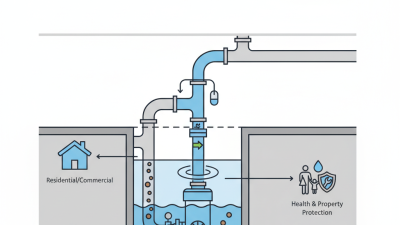
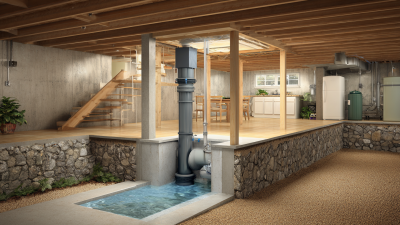
A basement water pump system, often called a sump pump system, removes groundwater before it spreads across the floor. It usually includes a sump pit, pump, float switch, check valve, discharge pipe, and backup power. Water enters through foundation drains or porous soil. The rising level activates the pump. It then sends water away from the foundation.
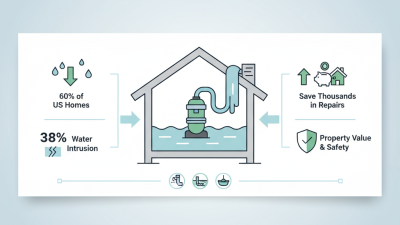
The system matters because basement flooding becomes expensive quickly. FEMA reports that one inch of floodwater can cause about $25,000 in property damage. The Insurance Information Institute also identifies water damage as a frequent residential insurance claim. During wet-season inspections, technicians often find blocked discharge lines, stuck floats, or missing check valves. Small failures create large problems. No pump is perfect.
Tips: Test the pump before heavy rain. Pour water slowly into the pit and confirm automatic activation. Keep the discharge outlet several feet from the foundation. Inspect the pipe for ice, debris, and sharp bends. A battery backup adds protection during power failures, but it still needs regular testing. The U.S. Department of Energy recommends checking moisture-control measures around foundations, including drainage and grading. In practice, many homeowners overlook the surrounding soil. It should slope away from the house, not toward it.
How Does a Basement Water Pump System Work?
Why Choose a Basement Water Pump System?
How Does a Basement Water Pump System Work?
A basement water pump system helps control groundwater before it reaches finished floors. In a typical installation, perforated drain tiles guide water toward a sump pit. The pit sits at the basement’s lowest point. Water collects there instead of spreading across concrete.
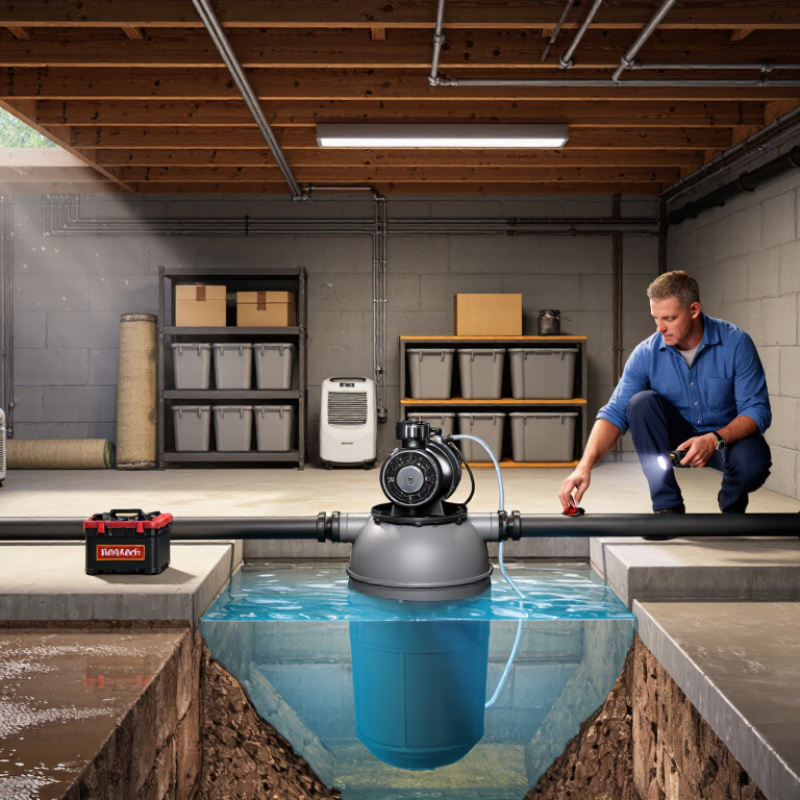
When the water level rises, a float switch activates the pump. The motor turns an impeller inside the housing. The impeller pushes water into a discharge pipe. A check valve prevents water from flowing back into the pit. The pipe then carries water away from the foundation. Its outlet should release water safely away from the building. Small details matter. A loose fitting can reduce pressure. A blocked outlet can make the pump run continuously.
During inspections, testing the float switch is practical. Pouring a bucket of water into the pit should trigger the pump. If the motor sounds rough, stop and arrange professional service. A battery backup can provide protection during power failures. However, backup units also need charging and routine testing. I have seen homeowners assume the system was ready, only to find a dead battery. That mistake is avoidable. The pit should remain clear of mud, tools, and debris. Regular records help identify unusual cycling or rising water levels. Still, no pump is flawless. Heavy storms may exceed its rated capacity.
What Basement Water Problems Can It Prevent?
Why Choose a Basement Water Pump System?
What Basement Water Problems Can It Prevent?
A basement water pump system helps control water before it reaches flooring, walls, and stored belongings. During heavy rain, groundwater can press against foundation joints and enter through small cracks. A properly installed sump basin collects this water, while the pump sends it away from the foundation. That difference matters. Wet cardboard, swollen wood, and a musty odor can appear within hours.
The system can prevent standing water, mold-friendly dampness, damaged insulation, and repeated flooding near a floor drain. It also reduces pressure on drainage channels when runoff rises quickly. A battery-backed backup pump can keep operating during a power outage, when storms are often most severe. An alarm adds protection by warning occupants about high water or pump failure. Small details matter.
Reliable performance depends on installation, testing, and maintenance. The basin needs a secure cover, and the discharge line needs proper drainage. The check valve must stop backflow. Test the float switch several times each year, clear debris, and inspect the outlet after freezing weather. No pump prevents every leak. That is easy to forget. A system may hide a larger grading, foundation, or plumbing problem if inspections stop there. Homeowners should record unusual cycling, vibration, or cloudy water and ask a qualified professional to assess the cause. Leaving the pump untouched for years is a mistake I would not repeat.
Why Choose a Basement Water Pump System?
What Basement Water Problems Can It Prevent?
A sump pump system can continuously remove water collected in a sump basin before it spreads across the basement floor. It is especially useful for groundwater seepage, storm-related inflow, and water released by plumbing or appliances.
The chart uses a transparent engineering example: a constant inflow of 10 gallons per minute for 60 minutes. The remaining water is calculated as incoming water minus pump removal, with negative values treated as zero. Actual pump performance varies with pump size, discharge height, pipe length, and power availability. A sump pump does not by itself repair foundation cracks or prevent sewer backups.
What Are the Main Benefits of Installing One?
A basement water pump system helps remove groundwater before it spreads across the floor. Its main benefit is damage prevention. Even a few centimeters of water can ruin stored furniture, electrical equipment, and finished walls. Regular pumping also reduces damp conditions that encourage mold growth and musty odors.
A properly sized pump can protect a basement during heavy rain, snowmelt, or a high water table. It may also reduce pressure on foundation walls. However, a pump is not a magic shield. Power outages, blocked discharge pipes, or a worn switch can still cause flooding. Professional installation helps match the pump to the basement’s drainage needs. Routine testing provides another layer of reliability. A monthly check takes only a few minutes, but many homeowners forget it.
Tips: Pour water into the pit and watch the float activate the pump. Confirm that water exits well away from the foundation. Keep the pit cover secure, but accessible for inspection. Consider a battery backup in areas with frequent storms. Do not store boxes directly on the basement floor. Small habits matter. They are easy to overlook.