| 1 |
Exterior Sheet-Membrane Waterproofing |
New construction or accessible foundations; high groundwater; severe rainfall; positive-side protection required. |
A continuous flexible membrane is installed on the outside face of foundation walls to block water before it reaches the structure. |
Excavation around the foundation, surface preparation, membrane installation, protection board, drainage layer, and backfilling. |
Inspect exposed termination points, drainage outlets, and nearby grading. Keep surface drains and gutters clear. |
Approximately 30–50 years when correctly installed and protected; actual life depends on membrane type, soil, and workmanship. |
Approximately US$120–350 per linear metre of foundation wall; difficult access and deep excavation can substantially increase cost. |
Strong protection against hydrostatic pressure; repairs can often be localized; suitable for many climates. |
High excavation cost; landscaping, paving, and utilities may need removal; installation is disruptive. |
Choose where exterior access is possible and where long-term positive-side protection is more important than minimum initial cost. |
| 2 |
Exterior Cementitious Waterproof Coating |
Masonry or concrete foundation walls with relatively stable surfaces and moderate moisture exposure. |
A cement-based coating forms a water-resistant layer bonded to concrete or masonry. |
Exterior excavation, cleaning, crack repair, dampening of the substrate, multiple coating applications, and protective backfill. |
Check for settlement cracks, damaged coating at grade, blocked drains, and changes in site drainage. |
Approximately 10–25 years; movement, freeze-thaw cycles, and poor surface preparation can reduce durability. |
Approximately US$80–220 per linear metre when exterior access is straightforward. |
Compatible with many mineral substrates; relatively simple materials; good resistance to damp soil when properly applied. |
Limited flexibility; may crack when the wall moves; not ideal for active structural cracks or severe hydrostatic pressure without drainage. |
Verify substrate condition, crack-movement risk, local freeze-thaw exposure, and whether a separate drainage layer is required. |
| 3 |
Bentonite Clay Panel or Blanket System |
New construction, concrete foundation walls, and sites where a self-sealing mineral waterproofing layer is appropriate. |
Sodium bentonite swells when hydrated and forms a low-permeability layer against concrete or compacted soil. |
Panel or blanket placement, sealed overlaps, detailing around penetrations, confinement against the soil, and protection from premature exposure to water. |
Inspect exposed edges and penetrations before backfilling. Maintain drainage and prevent long-term uncontrolled water flow near the foundation. |
Often 50 years or more when continuously confined and correctly detailed; performance is highly dependent on confinement and installation quality. |
Approximately US$90–250 per linear metre of wall, excluding major excavation and difficult site access. |
Can self-seal small punctures; mineral-based; useful for below-grade concrete construction. |
Requires proper confinement; can lose performance if exposed to certain contaminated groundwater or if improperly hydrated before backfilling. |
Confirm soil chemistry, groundwater conditions, confinement details, lap treatment, and compatibility with construction sequencing. |
| 4 |
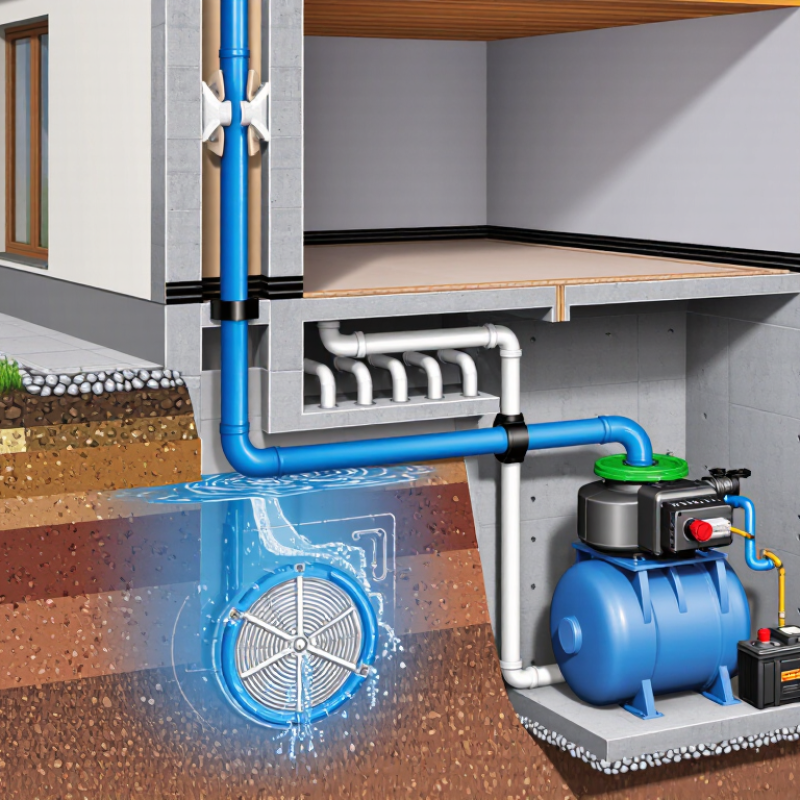
Interior Perimeter Drainage Channel with Sump Pump |
Existing basements where exterior excavation is impractical, expensive, or restricted by adjacent buildings and hardscape. |
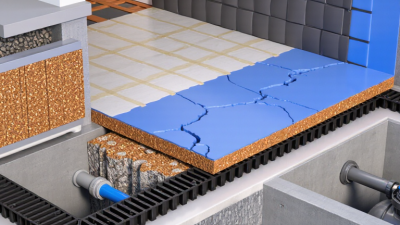
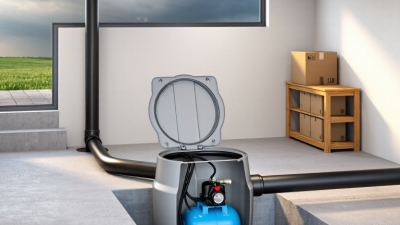
A drainage channel collects water at the wall-floor joint or beneath the slab and directs it to a sump basin for removal. |
Partial slab removal, channel or perforated drain installation, sump basin, pump, discharge pipe, and concrete reinstatement. |
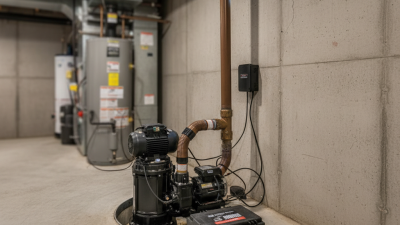
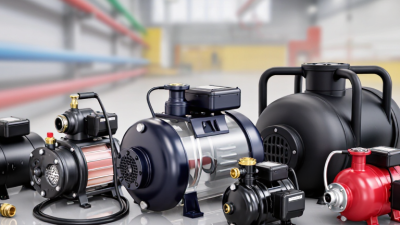
Test the pump several times per year; clean the basin and inlet; inspect the check valve and discharge route; maintain backup power where needed. |
Drainage components commonly last 25–50 years; sump pumps generally require replacement about every 5–15 years depending on duty cycle and quality. |
Approximately US$150–450 per linear metre of internal perimeter, plus US$800–2,500 per sump-pump assembly. |
Works from inside; effective for seepage and hydrostatic water when correctly designed; installation is less disruptive externally. |
It manages incoming water rather than stopping exterior water entry; depends on electricity, pump capacity, and reliable discharge. |
Assess water volume, pump duty, backup power, discharge regulations, access for service, and whether a vapor barrier or wall drainage layer is needed. |
| 5 |
Under-Slab Drainage and Sump System |
Basements with groundwater rising through joints, floor cracks, or permeable subsoil beneath the slab. |
Perforated drainage pipes below or beside the slab lower water pressure and convey it to a sump or gravity outlet. |
Slab removal, excavation, washed aggregate, perforated pipe, filter fabric where appropriate, sump basin, pump, and new concrete slab. |
Inspect and test pumps, clean the sump, check discharge piping, and monitor floor-joint movement or recurring seepage. |
Drainage pipe can last 50–100 years in suitable soil; pumps and electrical components have shorter replacement cycles. |
Approximately US$180–500 per linear metre of treated perimeter, with additional costs for slab replacement and pumping equipment. |
Addresses water pressure beneath the floor; can be integrated with a complete interior drainage design. |
Requires substantial interior demolition; does not by itself seal wall cracks or external wall defects. |
Use after identifying water paths beneath the slab; verify subsoil conditions, pipe cleanouts, pump redundancy, and finished-floor height. |
| 6 |
Crystalline Waterproofing Treatment |
Sound concrete structures with capillary water penetration, dampness, or minor non-moving pores and shrinkage cracks. |
Reactive chemicals enter concrete pores and form insoluble crystalline products that reduce capillary water movement. |
Concrete cleaning, removal of weak material, crack and joint detailing, dampening, and one or more treatment coats or admixture applications. |
Inspect treated areas for new structural cracks, leaking joints, and surface damage; keep drainage and exterior grading functional. |
Approximately 20–50 years as part of the concrete system; it is not a substitute for movement joints or structural crack repair. |
Approximately US$20–80 per square metre for surface application, excluding major concrete repairs. |
Low material thickness; integrates with mineral concrete; useful where excavation is impossible and dampness is diffuse. |
Limited effectiveness on moving cracks, active joints, contaminated surfaces, or water under significant pressure without drainage relief. |
Confirm concrete quality, moisture condition, crack activity, surface preparation requirements, and whether the treatment is approved for potable-water or other special environments. |
| 7 |
Polyurethane or Epoxy Crack-Injection System |
Localized cracks in poured-concrete walls or slabs; polyurethane is generally suited to wet leaks, while epoxy is suited to dry structural crack repair. |
Resin is injected under pressure into a crack to seal water paths or bond crack faces, depending on the resin formulation. |
Crack mapping, surface sealing, injection-port installation, pressure injection, port removal, and surface finishing. |
Monitor repaired cracks for movement and new leakage. Re-injection may be required if the crack remains active. |
Approximately 5–20 years for many repairs; service life depends strongly on crack movement, resin selection, and substrate condition. |
Approximately US$300–1,200 per crack, depending on length, access, depth, and injection complexity. |
Targeted repair with limited demolition; can address individual leaks; polyurethane can accommodate some movement. |
Does not solve widespread wall dampness, defective drainage, or structural movement; unsuitable resin selection can lead to failure. |
Identify whether the crack is structural, moving, leaking, or dormant before selecting polyurethane, epoxy, or another compatible resin. |
| 8 |
Cavity-Drain Membrane with Sump Pump |
Older basements with porous masonry, recurring dampness, or walls that cannot be reliably sealed from the outside. |
A studded or channelled membrane creates a controlled drainage cavity, directing water behind an internal finish to a drain and sump. |
Wall preparation, membrane fixing, perimeter drainage, sump installation, pump discharge, and compatible interior lining or finishing. |
Keep the sump operational; inspect membrane terminations and access points; avoid puncturing the system during later renovations. |
Membrane components commonly last 30–50 years; pumps typically need replacement about every 5–15 years. |
Approximately US$100–300 per square metre of treated wall and floor area, excluding major finishing work. |
Provides a controlled drainage path; suitable for irregular masonry; allows interior finishing in many retrofit situations. |
Uses interior space; water remains behind the membrane; requires reliable drainage, pump maintenance, and service access. |
Check membrane puncture resistance, fire and building-code requirements, drainage capacity, inspection access, and pump backup provisions. |
| 9 |
HDPE or PVC Sheet Membrane with Drainage Board |
New construction and deep below-grade structures exposed to persistent soil moisture or moderate-to-high water pressure. |
A durable polymer sheet forms a water barrier, while a drainage or protection board reduces hydrostatic pressure and protects the membrane. |
Substrate preparation, sheet installation, welded or sealed joints, detailing at penetrations, protection board, and perimeter drainage. |
Inspect accessible terminations and drainage outlets; keep surrounding drainage infrastructure clear and repair damage before backfill. |
Approximately 30–60 years, subject to polymer formulation, ultraviolet exposure before burial, chemical compatibility, and installation quality. |
Approximately US$100–300 per linear metre of foundation wall, excluding excavation, structural repairs, and complex detailing. |
Consistent factory-produced material; good puncture and chemical resistance when correctly specified; suitable for large projects. |
Joints and penetrations require careful detailing; some systems need specialized welding or compatible accessories. |
Compare thickness, tensile and puncture properties, seam method, chemical resistance, temperature range, drainage-board capacity, and inspection procedures. |
| 10 |
Positive-Side Waterproofing with Drainage Composite |
Large commercial, residential, and infrastructure basements where a complete below-grade water-management assembly is required. |
Combines a primary waterproofing layer, protection course, drainage composite, collection piping, and a planned discharge route. |
Detailed design, substrate preparation, membrane installation, protection and drainage layers, waterstops at joints, penetrations, testing, and drainage connections. |
Maintain accessible drains, inspection chambers, discharge routes, and surface-water controls. Review the system after nearby construction or ground movement. |
Approximately 30–75 years for a properly designed assembly; individual membranes, sealants, pumps, and joints may have different replacement cycles. |
Approximately US$180–600 per square metre of treated below-grade surface, depending on excavation, detailing, pressure, and project complexity. |
Comprehensive risk control; reduces hydrostatic pressure; adaptable to complex foundations and high-performance construction requirements. |
Higher design and installation cost; requires coordination among structural, civil, and waterproofing trades. |
Prioritize where failure consequences are high; require documented details, compatible materials, quality-control inspections, flood-level analysis, and a maintainable drainage plan. |