7 Basement Drainage System Tips for Buyers
Buying a home with a basement means looking beyond fresh paint and staged furniture. Water can enter quietly, leaving a musty smell, a pale tide mark, or a damp patch beside the floor. A dependable basement drainage system should collect water and direct it away from the foundation. Its design and condition can affect comfort, future maintenance, and your understanding of the property. Still, a clean floor does not prove the basement stays dry. That matters.
During a viewing, look for a sump pit, floor drains, discharge pipes, and signs of recent repairs. Check whether downspouts carry water away from the house, and notice any grading that slopes toward the foundation. If there is a sump pump, ask when it was last tested and whether backup power is available. Ask for maintenance records, too. Details count. A real estate inspection can identify visible concerns, but it may not reveal how the system performs during prolonged rain or a power outage. Consider asking a qualified inspector or drainage professional to assess unusual odors, standing water, or patched cracks. No system removes every risk. These seven tips can help buyers ask clearer questions, spot warning signs, and judge what deserves closer attention. A little uncertainty is honest; drainage performance depends on the home, the soil, and the weather.
Understand the Main Types of Basement Drainage Systems
7 Basement Drainage System Tips for Buyers
Understand the Main Types of Basement Drainage Systems
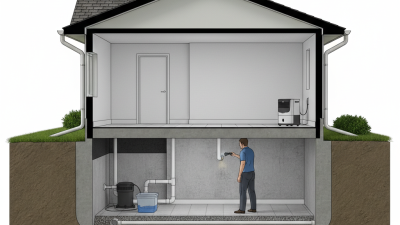
Basement drainage usually relies on an exterior footing drain, an interior perimeter drain, or both. Exterior drains sit beside the foundation footing and direct groundwater away. Interior drains collect seepage along the basement floor and carry it to a sump pit. A sump pump then moves water outside. Ask where the discharge pipe ends; water dumped beside the foundation may simply return.
The Insurance Information Institute’s 2017–2021 homeowners-claims data reports that water damage and freezing made up 29.4% of claims, with an average claim of $11,098. These figures cover homes broadly, not basements alone, but they show why drainage deserves close inspection. Look for a sump pump, a working check valve, and a backup power plan. Test the pump if permitted. Listen for rattling.
Surface drainage matters too. Sloped soil, clear gutters, and downspout extensions help keep rain away from foundation walls. During a viewing, check for tide marks, musty smells, patched cracks, or a damp line around the floor edge. A finished basement can hide clues. Ask for service records and whether the drain has ever been cleared. No setup is perfect. Even a tidy sump pit says little about the condition of buried pipes, so an independent inspection may be worth the extra step.
Understand the Main Types of Basement Drainage Systems
Typical collection point for common drainage components
Inside the basement
Outside the basement
Interior drains collect water below the basement floor or at floor level; exterior drains and grading manage water outside the foundation. A sump pump moves collected water to a discharge point. Systems are often combined, and the right design depends on site conditions and local requirements.
Inspect Drains, Sump Pumps, and Backup Power
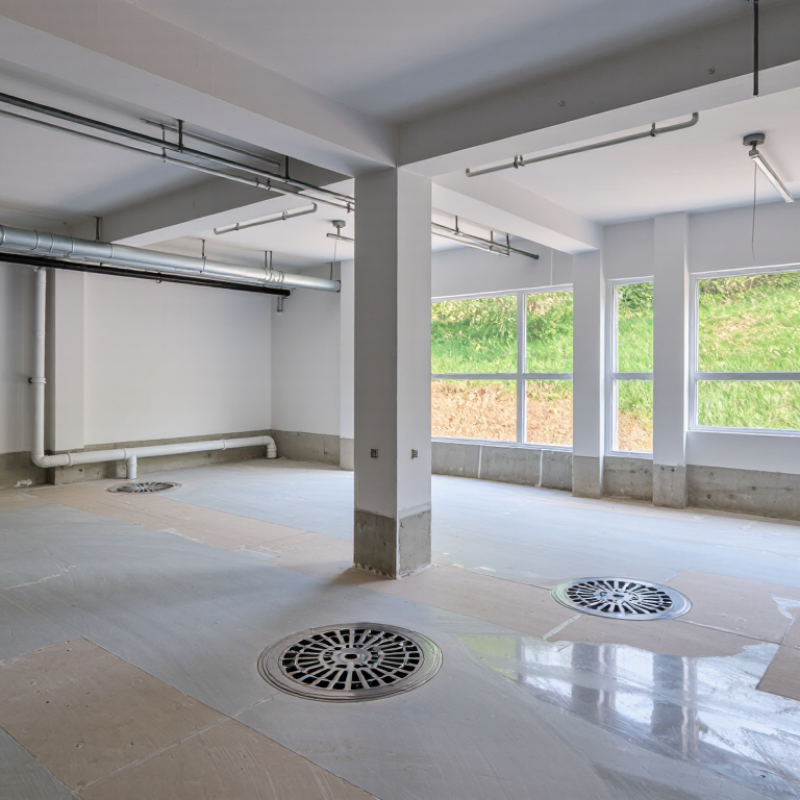
When touring a basement, check that floor drains are clear and sit below the surrounding floor. Look for rust, mineral rings, or musty odors near the drain and sump pit. FEMA’s FloodSmart guidance estimates that one inch of water can cause roughly $25,000 in damage. A small drain problem can become expensive. Ask when the system was last serviced, and request records rather than relying on a seller’s quick demonstration.
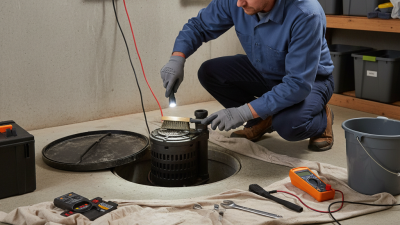
Tips: With permission, pour water into the sump pit and watch whether the float starts the pump. Check that the discharge pipe carries water away from the foundation. A dry-day test is limited.
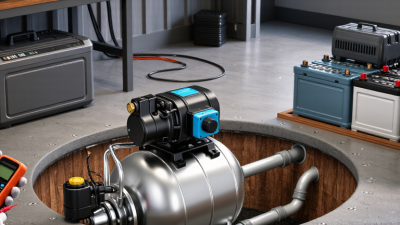
Inspect the pump’s age, power connection, and alarm. Ask whether backup power is a battery, a generator, or neither, and have the seller demonstrate it safely. Check the battery’s date and condition; a backup that has never been tested may fail when needed. FEMA flood guidance stresses that flooding can happen outside high-risk zones, so don’t treat a basement’s clean appearance as proof of protection. One detail is easy to miss: confirm that the backup system can run the pump, not just sound an alarm.
Check Where Drainage Water Is Discharged
When inspecting a basement drainage system, trace the sump pump pipe to its actual outlet. It may empty into a yard, a storm drain, a dry well, or an older sewer connection. Ask the seller to run the pump while you watch outside. Look for water pooling near the foundation, washing soil from a slope, or flowing toward a neighboring lot. A dry day proves little. Check for staining and damp ground, too.
Ask where the discharge is permitted and whether the outlet stays clear in winter. Do not assume a nearby drain is suitable; confirm with the local water or sewer authority. The American Society of Civil Engineers’ 2021 Report Card gave U.S. stormwater infrastructure a D, a reminder that public systems can be strained.
FEMA flood-preparedness guidance estimates that one inch of floodwater can cause about $25,000 in damage. That figure is not a prediction for every home, but it shows why discharge matters.
Request maintenance records, then have a drainage professional trace unclear piping. A seller’s answer may be incomplete; verify it yourself.
Look for Warning Signs of Moisture and System Failure
A basement can look tidy while moisture problems hide behind stored boxes or fresh paint. Watch for white, chalky deposits on masonry, peeling paint, swollen baseboards, and dark marks near floor joints. A persistent musty smell matters, even when the walls feel dry. Look closely.
Check the floor around the sump pit and floor drain for rust, sediment, or standing water. If the sump pump is safe to access, ask the seller when it was last tested and whether it has a backup power source. Listen for unusual rattling, but don’t assume silence means failure; the pump may simply not have cycled during your visit.
Ask about past seepage, repairs, and flooding after heavy rain. A dry afternoon can mislead, since water often enters during storms or snowmelt. Outside, note whether downspouts release water close to the foundation or the ground slopes toward the house. These details don’t prove a system is failing, but they help guide questions. If you notice active moisture, a musty odor, or an unexplained pump, arrange an independent inspection and ask the inspector to assess drainage components and visible water paths.
Estimate Maintenance Needs and Replacement Costs
When assessing a basement drainage system, budget for routine checks and eventual replacement, not just the purchase price. The International Association of Certified Home Inspectors’ life-expectancy chart gives sump pumps an estimated service life of about seven years. That is a guide, not a deadline: frequent cycling, sediment, and power interruptions can shorten it. Ask the seller for installation records and repair invoices. Then test the float switch, inspect the pit for grit, and confirm the discharge line carries water away from the foundation. Small details matter.
For replacement planning, Angi’s 2024 sump-pump cost guide reports an average installation cost near $1,200, with common projects ranging from about $640 to $2,000. A like-for-like swap may cost less than work requiring a new pit, electrical changes, or a longer discharge line. Get a local written estimate before closing; hidden drainage problems can change the numbers. Maintenance pricing varies, too, so ask contractors to separate inspection, cleaning, and repair fees. A quarterly bucket test is practical, though not foolproof. I would not treat a pump that runs during one test as proof that the whole system is sound.