China Best Sump Pump for Drainage Systems Buyers Guide
Choosing the right sump pump drainage system starts with the water, not the product label. A damp basement after steady rain creates different demands than a sudden rise from a leaking pipe. Before comparing models, buyers should note the pit’s diameter, water depth, discharge-pipe size, and the height water must travel. These details help determine the required flow and head. They also reveal when a small pump may be underpowered.
Look beyond horsepower. Check the pump’s rated flow at the actual discharge height, switch design, solids-handling limits, and construction materials. A cast-iron housing may suit frequent operation, while a thermoplastic model can fit lighter-duty use. Neither choice guarantees reliability. Poor installation, a blocked intake, or a stuck float can defeat an expensive pump. Test the float by hand. Listen for unusual vibration. Check that the discharge line carries water away from the foundation.
A buyer’s guide should also compare backup options, maintenance access, warranty terms, and replacement-part availability. Keep the pit clear. Test the system before storm season. Small details matter.
No verifiable named expert quotation was provided, so this guide avoids inventing one. A useful field rule is: “Choose for the water you actually need to move, not the biggest number on the box.” It is a practical starting point, not a substitute for checking site conditions. I would still revisit the assumptions after installation; real water behavior can surprise you.
Understanding Sump Pumps and Their Role in Drainage Systems
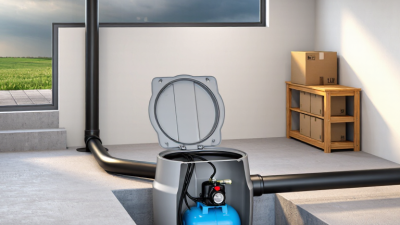
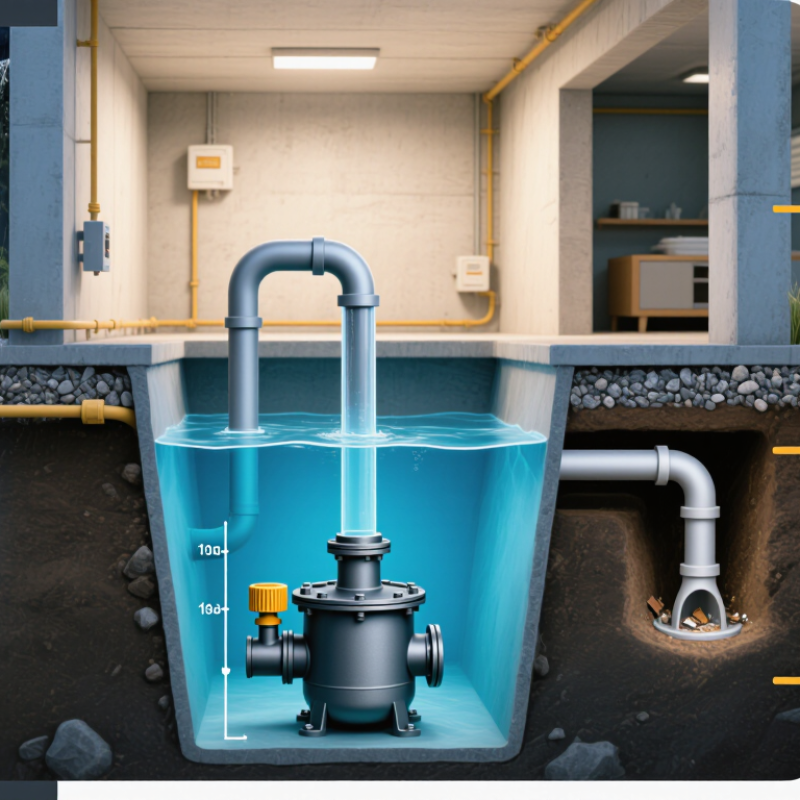
A sump pump removes water that collects in a basin, usually at the lowest point of a basement or crawl space. It does not drain every part of a property. Instead, it manages water that reaches the basin through drainage channels or seepage. When the water rises, a float switch typically activates the pump. The pump then sends water through a discharge pipe to an appropriate outlet away from the foundation.
In a drainage system, the pump is only one part of the setup. The basin needs enough capacity, and the inlet should remain clear of debris. A blocked or frozen discharge line can prevent water from leaving, even when the motor runs. The pump also needs a suitable power supply. A small mistake is assuming that a working motor means the whole system is working. Check the basin and discharge point during wet weather, when problems are easier to spot.
Tips: Test the float switch by adding water to the basin, following the pump’s instructions. Listen for unusual rattling, and look for slow drainage or frequent cycling. Keep the lid accessible for inspection. If water keeps entering faster than the pump can remove it, review the drainage layout and pump capacity with a qualified installer.
Comparing Sump Pump Types and Key Performance Ratings
China Best Sump Pump for Drainage Systems Buyers Guide
Comparing Sump Pump Types and Key Performance Ratings
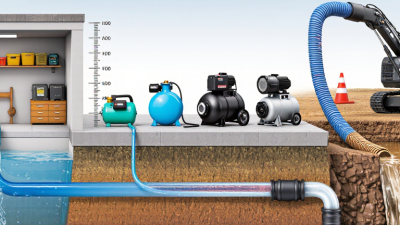
Submersible pumps sit underwater in the sump basin, keeping noise low and saving floor space. Pedestal pumps place the motor above the basin, where it is easier to inspect, but they take up more room. For either type, compare flow in gallons per minute at the actual lift height—not just the maximum flow printed on the label. A pump rated for high flow at zero lift may deliver much less when water travels through a long discharge pipe.
Look at total dynamic head, which includes vertical lift and pipe friction, then check the pump’s performance curve. Also compare solids-handling capacity, switch type, and whether the unit suits frequent cycling. The ASCE 2021 Report Card for America’s Infrastructure gave U.S. stormwater infrastructure a C−. That rating describes a broad infrastructure challenge, not sump pump performance, but it underscores why dependable drainage deserves careful planning. A neat horsepower figure can still mislead; sizing depends on the site.
Tips: Measure the basin depth and discharge height. Note the pipe diameter, bends, and expected inflow. Ask for the flow rate at your calculated head, and confirm the pump’s duty rating. Leave room for uncertainty—real inflow can exceed a tidy estimate during heavy rain.
Assessing Chinese Sump Pump Manufacturers and Product Quality
When assessing Chinese sump pump manufacturers, request evidence from the production line, not just a polished catalogue. Ask for pump curves showing flow and head at your operating point, plus test records for motor temperature, insulation, leakage, and float-switch cycles. Numbers matter. The U.S. Department of Energy’s Improving Pumping System Performance sourcebook estimates that pumping systems use nearly 20% of global electricity demand. That figure covers pumping broadly, not sump pumps alone, but it reinforces why efficiency and correct sizing deserve scrutiny.
Inspect material specifications against the water conditions: cast iron may suit routine drainage, while corrosive or abrasive water can require different wetted parts. Check solids-handling limits, seal design, cable entry, and the stated protection rating. Ask whether production tests use calibrated instruments and whether serial numbers link each unit to its test record. Small details count. A sample run in a clean factory tank may not reflect muddy site water or repeated starts. Request a witnessed test under agreed conditions, and compare results with the datasheet. I would also verify spare-part availability and warranty response times in writing; these are easy to overlook when price dominates the discussion. No single certificate proves consistent quality. Evaluate the factory’s process, test evidence, and product suitability together.
Sump Pump Buying Guide: Static Water Head and Pressure
The chart shows the theoretical pressure exerted by clean water at different static heads, calculated using p = ρgh (water density 1,000 kg/m³ and gravitational acceleration 9.80665 m/s²). When assessing a sump pump, compare the required lift with the manufacturer’s pump curve. Actual flow can be lower because of pipe friction, fittings, and other system losses.
Matching Pump Capacity and Features to Site Conditions
A drainage pump should match the water entering the pit, not just the basement’s floor area. Measure the pit depth, discharge height, and pipe route before comparing models. A long pipe run or several bends can reduce flow. Check the pump’s capacity at the required total head; its maximum rating often assumes little or no lift. That number can mislead.
For muddy runoff, look for a solids-handling design and a screen that can be cleaned without special tools. A narrow pit may not allow the float to move freely, causing short cycling. Leave room around it. Choose a float switch suited to the pit’s dimensions, and confirm that the pump can handle the expected start frequency. An alarm can help flag a stuck float or rising water before the floor gets wet. I still find pipe layout easy to underestimate, especially where the outlet rises above the foundation. Small details matter.
Checking Installation, Maintenance, Warranty, and Compliance Needs
For a drainage system, match pump capacity to the real site, not just the advertised flow rate. Measure the vertical lift from the pit to the discharge outlet, then account for pipe length, bends, and expected inflow. FEMA’s National Flood Insurance Program reports that more than 40% of flood claims come from areas outside high-risk flood zones. A dry-looking basement is not a reliable risk assessment. Check that the float switch moves freely and that the discharge line sends water away from the foundation. Small details matter.
Installation quality affects performance. The basin should sit level, the pump should remain upright, and the check valve should prevent water from falling back into the pit. Confirm electrical requirements and applicable local plumbing and safety rules before installation; requirements vary by location. For compliance, ask for relevant product test documentation and an appropriate safety certification. Do not assume a sales sheet proves suitability for your site. I would also verify the pump’s rated head, solids handling, and duty cycle against the actual drainage conditions.
Maintenance is often overlooked. Test the pump with water, inspect the float, and clear sediment from the basin on a regular schedule; follow the manufacturer’s instructions for intervals. Check backup power before wet weather, not during it. Warranty terms deserve the same attention: review coverage for labor, corrosion, and damage caused by debris or dry running. One weak point remains easy to miss: a warranty cannot compensate for a pump sized incorrectly from day one.