How to Choose a Sump Pump Check Valve in 2026
Choosing a sump pump check valve in 2026 is about more than matching pipe diameter. The right valve helps prevent discharged water from flowing back into the pit after the pump shuts off. That can reduce repeated cycling, pipe noise, and unnecessary wear. Small details matter. A flow arrow facing the wrong direction can stop the system from working as intended.
Start with the pump manufacturer’s instructions and the discharge pipe size. Then compare valve type, connection style, material, and pressure rating. A clear-bodied valve can make the flapper easier to inspect, while a quiet-close design may soften the knock heard when pumping stops. Neither feature guarantees a trouble-free installation. Check available clearance, nearby unions, and the valve’s orientation before buying. A tightly packed pit can make later maintenance awkward.
The best choice also depends on how the system behaves during heavy rain. Note how often the pump runs, whether water returns through the discharge line, and whether the pipe vibrates. These observations can help identify the real problem, though they do not replace a professional inspection when the cause is unclear. It is easy to blame the valve. Sometimes the discharge layout, a worn pump, or a blocked line deserves closer attention. This guide explains what to check, how valve designs differ, and which trade-offs to consider before installation. Verify product specifications against your pump manual, and review local requirements when applicable.
Understanding the Role of a Sump Pump Check Valve
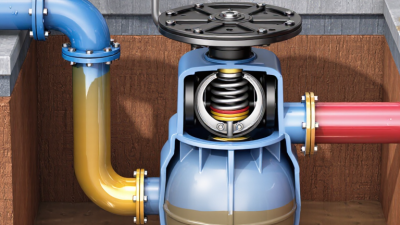
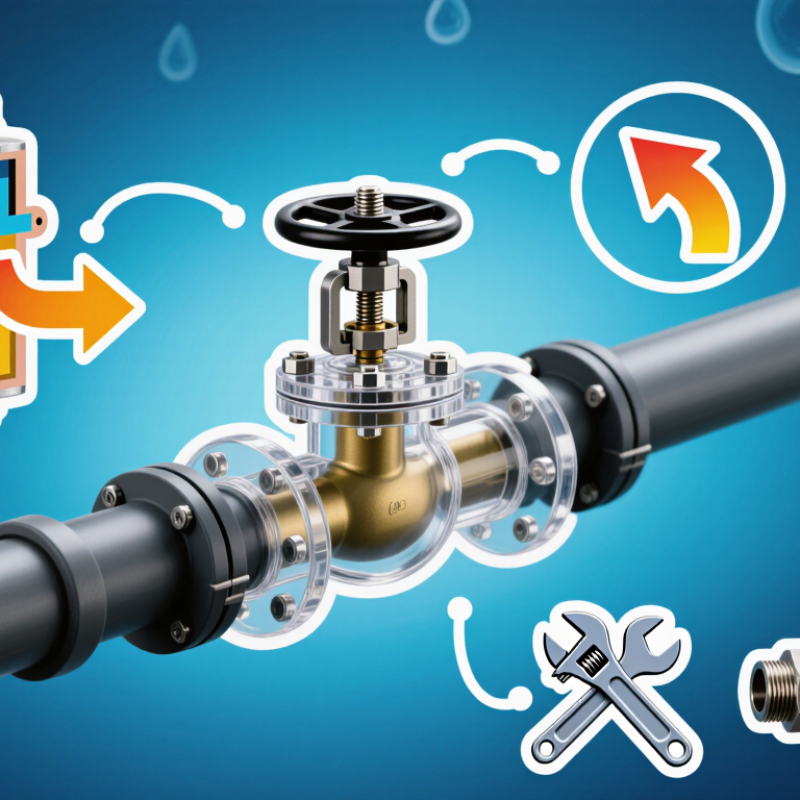
A sump pump check valve keeps discharged water from flowing back into the sump basin when the pump stops. Without it, water held in the discharge pipe can return and trigger another pump cycle. That repeated starting wastes energy and may shorten the pump’s service life. Small part. Big effect.
The valve usually sits in the discharge line above the pump. Its arrow should point away from the basin, in the direction water needs to travel. Match the valve’s diameter to the pipe, and check that its design suits the pipe’s orientation. A poorly fitted valve can leak, rattle, or restrict flow. The sound matters. A brief thunk when it closes may be normal, but repeated clattering deserves a closer look.
It is tempting to treat the valve as a cure-all. It isn’t. A check valve cannot fix a blocked outlet, a failing pump, or a discharge line that freezes in cold weather. During a routine test, watch the water level after the pump shuts off and listen for immediate restarting. Some drain-back can occur, depending on the system layout, so don’t assume every return is a fault. I would still inspect the connections and valve for leaks or debris; small problems are easy to overlook until the next heavy rain.
Matching Valve Size to Your Pump and Discharge Pipe
How to Choose a Sump Pump Check Valve in 2026
Matching Valve Size to Your Pump and Discharge Pipe
Match the valve’s connection size to the pump outlet and discharge pipe. A mismatch can add restriction or require an unsuitable reducer. Check the pump manual before buying; a 1½-inch outlet does not automatically mean every 1½-inch valve will suit the system. Check the valve’s flow rating and pressure rating, too. Small details matter.
Use the pump’s performance curve to check expected flow at your actual lift height, not just its advertised maximum flow.
The U.S. Department of Energy’s 2006 Improving Pumping System Performance sourcebook reports that pumping systems use nearly 20% of global electricity, with some industrial plants reaching 25–50%. Those figures are not household sump-pump estimates, but they underline why needless flow resistance is worth avoiding.
Choose a valve designed for the pipe orientation and flow, and confirm its arrow points away from the pump. Leave room to inspect or replace it. A tight installation can work, but it is harder to service.
Comparing Valve Types, Materials, and Noise Levels
When choosing a sump pump check valve, compare how it closes, not just its price. Swing valves use a hinged flap and usually allow broad water flow with little resistance. They can make a noticeable clunk when the pump shuts off. Spring-loaded, quiet-close valves use a spring to guide the disc back into place. They often reduce that abrupt sound, though added resistance may affect pump performance. A softer close is not always a better fit.
Material matters. PVC and ABS valves are light and resist corrosion in typical residential systems; match the valve to your pipe material and diameter. Stainless steel components can suit demanding conditions, but they may cost more than a basic plastic assembly. Check that the valve is rated for the pump’s discharge pressure and intended installation position. A mismatch can leak or fail early. Small detail, big consequences.
Noise also depends on the pipe run. A loose vertical pipe can tap against a joist, making even a quiet-close valve sound irritating at night. Secure the pipe, and listen for water hammer after the pump cycles. If the discharge line drains back heavily, a suitable quiet-close model may help. Still, I would not assume every “silent” valve stays silent; installation and wear change the result. Test the system through several pump cycles before closing up the sump area.
How to Choose a Sump Pump Check Valve in 2026
Comparing valve types by their general potential for audible closing noise
The 1–5 scale is a qualitative guide, not a decibel measurement: swing-check valves may produce an audible flap, while spring-assisted quiet designs are intended to reduce closing noise. Actual sound depends on pump flow, pipe layout, mounting, and installation. PVC and ABS are common lightweight valve materials; metal options are also available. Check the valve’s material compatibility, size, and pressure rating against your system.
Checking Installation Requirements and Maintenance Access
A sump pump check valve must fit the discharge pipe and the pump’s operating requirements. Check the pipe diameter, flow direction, and pressure rating before buying. The arrow on the valve body should point away from the pump. Follow the valve instructions for permitted orientation; some models require a specific position. A tight basement corner can make even a suitable valve difficult to install.
Plan for service access, not just the initial fit. Leave room to reach the valve’s unions or couplings, loosen connections, and remove the assembly without cutting pipe. Keep it reachable. If the valve sits beneath a joist or behind stored boxes, routine inspection becomes less likely. That matters. A removable connection can save time when debris, wear, or a noisy closing action needs attention.
Before installation, compare the layout with the pump manual and check that the pipe remains supported. Afterward, run a controlled pump cycle and listen for repeated banging or unusual vibration. Those sounds may indicate water hammer or a poorly supported line, but they do not identify the cause by themselves. Disconnect power before servicing, and keep electrical connections dry. There is no perfect layout for every pit; a small access problem today can become a frustrating repair later.
Evaluating Compatibility, Reliability, and 2026 Product Standards
How to Choose a Sump Pump Check Valve in 2026
Evaluating Compatibility, Reliability, and 2026 Product Standards
A check valve must match the pump’s discharge-pipe diameter and connection type. A mismatch can cause leaks, restrict flow, or make later servicing difficult. Check the valve’s permitted installation direction, pressure rating, and material compatibility with the water conditions. Measure the pipe rather than relying on memory. Small details matter. For 2026, compare current product documentation and applicable local plumbing requirements; there is no single rating that suits every sump system.
Tips: Check the arrow molded on the valve body before installation. Confirm the pump can handle the valve’s added resistance, especially in a tall discharge run. Leave enough room to reach clamps or unions. A clear service plan is easy to overlook.
Reliability depends on more than a sturdy-looking housing. A quiet-closing design may reduce water hammer, while a removable or serviceable assembly can simplify inspection. Listen for repeated pipe knocks after the pump shuts off, and watch for water flowing back into the pit. Those signs deserve attention. Even careful selection cannot make a valve maintenance-free; debris and wear still matter. It is tempting to choose the cheapest compatible option, but that judgment may need revisiting when access is awkward or failure would cause costly water damage.
How to Choose a Sump Pump Check Valve in 2026 - Evaluating Compatibility, Reliability, and 2026 Product Standards
| Evaluation dimension | What to check | Practical selection guidance | Why it matters |
|---|---|---|---|
| Discharge-pipe size | Measure the pipe’s nominal size and check the pump outlet and valve connection sizes. Common residential discharge sizes include 1¼ in. and 1½ in. | Choose a valve that matches the pump and piping, or use a properly sized transition fitting. Do not assume the visible pipe’s outside diameter is its nominal size. | A mismatch can cause leaks, installation problems, or restrictions in the discharge line. |
| Connection type | Check whether the valve uses solvent-weld sockets, threaded connections, or compatible flexible couplings. | Match the connection to the existing pipe material and follow the valve and fitting installation instructions. | Correct connections help prevent seepage and make future service easier. |
| Valve design | Compare swing, spring-assisted, and other designs offered for sump-pump discharge service. | Select a design approved by the pump or valve instructions for the intended pipe orientation and flow. Confirm that the closure mechanism can be accessed for inspection. | Design affects how the valve closes, its installation position, and how it can be maintained. |
| Flow direction and orientation | Look for a flow-direction arrow and any stated horizontal or vertical installation limits. | Install the arrow in the direction water is pumped, and use only an orientation permitted by the product instructions. | Incorrect direction or orientation can prevent proper operation or cause backflow. |
| Pressure and pump compatibility | Check the valve’s documented pressure rating and the pump’s maximum head or discharge specifications. | Confirm the valve is rated for the system’s expected conditions. For water, 1 ft of head is approximately 0.433 psi; use the pump and valve manufacturers’ specifications for the final check. | The valve must withstand the pressure that can occur in the discharge system. |
| Materials and operating environment | Review the body, seal, and fastener materials, along with any stated limits for water temperature or exposure. | Choose materials suitable for the water and location. Follow the manufacturer’s guidance if the discharge may contain sediment or debris. | Material suitability can affect service life and resistance to corrosion, wear, and leakage. |
| Noise and water-column considerations | Consider closing noise, drain-back volume, and whether the product instructions specify a minimum pipe length or installation position. | Follow the pump and valve instructions. If the system cycles frequently, check pump sizing and system layout rather than relying on the valve alone to resolve the issue. | Water returning from the discharge line can contribute to cycling; system design and valve behavior both matter. |
| Serviceability and reliability | Look for accessible connections, clear maintenance instructions, replacement-part information, and a stated warranty. | Install the valve where it can be inspected and serviced without unnecessary pipe removal. Inspect it periodically for blockage, sticking, and leaks. | A check valve is a mechanical component and can wear, clog, or fail over time. |
| 2026 standards and compliance checks | Review current local plumbing requirements and the product’s published technical documentation, ratings, and intended-use statements. | Do not assume one universal 2026 certification applies to every sump-pump check valve. Confirm applicable requirements with the local authority having jurisdiction and the manufacturer. | Code adoption and product requirements can vary by location and application. |
| Documentation before purchase | Verify dimensions, connection details, pressure rating, permitted orientation, installation instructions, and warranty terms. | Compare the documentation with the pump model, discharge pipe, and site conditions before ordering. | Documented specifications are more dependable than appearance or generic compatibility claims. |
| Selection note: This guide summarizes general selection factors and is not a substitute for product instructions, pump specifications, or locally applicable code requirements. | |||
Related Posts
-
Why Does a Sump Pump Check Valve Fail?
-
What Is a Backup Sump Pump and How Does It Work?
-

Best Sump Pump Backup Battery Options for Your Home?
-

How to Choose the Best Basement Drainage System for Your Home in 2025
-
10 Essential Tips for Maintaining Your Sump Pump in the Basement
-
10 Best Sump Pumps for Home Flood Protection in 2023