Top Basement Water Solutions for Global Buyers

Buying a basement water solution across borders requires more than comparing product prices. Global buyers must understand soil conditions, rainfall patterns, building methods, and local installation practices. A drainage system designed for heavy clay may perform poorly in sandy soil. A sump pump selected for a mild climate may struggle during monsoon rainfall.

Basement water rarely appears without a cause. It may enter through foundation cracks, wall joints, window wells, or poorly graded ground. The right response begins with a detailed inspection. Moisture readings, exterior drainage checks, and pump capacity tests can reveal risks that photographs hide. Mike Holmes, a respected building contractor, has repeatedly warned, “Water is the enemy of every basement.” That simple statement remains practical.

This guide examines reliable basement water solutions for international buyers. It compares interior drainage channels, exterior waterproofing membranes, sump pumps, battery backups, dehumidifiers, and crack-repair materials. It also considers documentation, product durability, maintenance needs, warranty clarity, and installer experience. These details matter when suppliers, contractors, and customers operate in different countries.

No solution fits every building. That is the uncomfortable part. Even an excellent system can fail when installation ignores local ground pressure or drainage capacity. Buyers should request technical data, installation instructions, testing records, and realistic service terms. Independent inspections add confidence. So does speaking with experienced contractors.

Small details matter. A blocked discharge line can defeat a powerful pump. A missing backup battery can turn a storm into a serious setback. Reliable basement water protection is not one product. It is a coordinated system, checked carefully and maintained over time.
Top Basement Water Solutions for Global Buyers

Understanding Basement Water Problems and Their Global Causes

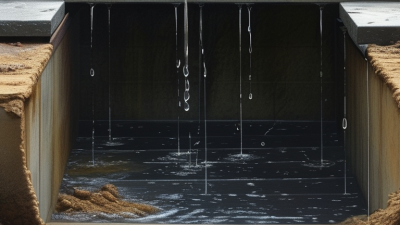
Basement water problems rarely come from one source. Rain can enter through foundation cracks, floor-wall joints, window wells, or poorly graded soil. In coastal areas, storm surge and rising groundwater add pressure below ground. In colder regions, snowmelt may overwhelm drains within hours. Aging pipes and blocked municipal systems create another risk. The cause is often local, not obvious.

Climate data makes this challenge more urgent. The IPCC Sixth Assessment Report states that heavy precipitation generally intensifies as global temperatures rise. Its physical basis is clear: warmer air can hold more moisture. The WMO Atlas of Mortality and Economic Losses from Weather, Climate and Water Extremes reports that weather-related disasters increased fivefold from 1970 to 2019. These figures do not describe every basement, but they explain why older drainage assumptions can fail. That assumption is often wrong.

A practical inspection should begin outside. Check whether water flows toward the building after a 30-minute storm. Look for damp marks, white efflorescence, peeling paint, and a sump pump that cycles too often. FEMA estimates that one inch of floodwater can cause about 25,000 dollars in damage, depending on the property. Prevention may include surface grading, clean gutters, perimeter drainage, pump backup power, and sealed penetrations. Yet no single system fits every country. Clay soil, shallow groundwater, frozen ground, and coastal exposure require different designs. A quick repair can hide the symptom, not the cause.

Assessing Basement Conditions Before Choosing a Waterproofing Solution

Before choosing a basement waterproofing solution, assess the space like a working system. Check wall materials, floor joints, cracks, drainage routes, and recent water marks. A dry wall today proves little. Rainfall, groundwater, and seasonal temperature changes can alter the risk. That matters.

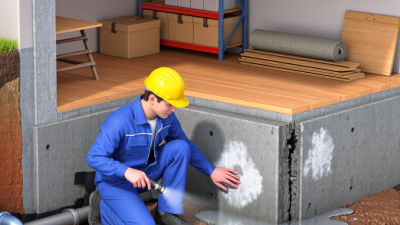
Use a moisture meter and hygrometer where possible. Record readings near corners, windows, pipes, and the lowest floor areas. Look for white salt deposits, peeling paint, swollen wood, mold odor, or rust on metal fittings. These details can reveal slow seepage that a visual inspection misses. A simple sketch of water paths can also help contractors understand the problem faster.

External grading, gutters, downspouts, and sump equipment deserve equal attention. Water may enter through pressure cracks, condensation, plumbing leaks, or poor drainage. Each cause needs a different response. Interior coatings may reduce surface dampness, but they cannot always stop water pressure behind a wall. Exterior drainage may work better, yet excavation can be unsuitable near neighboring structures or older foundations. Local soil conditions and building requirements should guide the final decision. Even experienced inspectors can miss hidden leaks, so independent testing and clear repair records improve reliability. A rushed choice is expensive.

Comparing Interior, Exterior, and Drainage-Based Water Control Methods

Top Basement Water Solutions for Global Buyers

Comparing Interior, Exterior, and Drainage-Based Water Control Methods

Basement water control depends on where moisture enters and how soil behaves around the building. Global buyers should assess rainfall, groundwater, foundation materials, and local construction standards before choosing a system. A method that works in dry soil may fail during monsoon seasons or freezing winters.

Exterior waterproofing blocks water before it reaches the foundation wall. Workers excavate around the structure, repair cracks, apply a waterproof membrane, and protect it with drainage layers. This approach can reduce hydrostatic pressure effectively, but excavation may disturb landscaping and increase labor costs. Interior systems are usually faster and less disruptive. They collect seepage through channels or wall membranes, then direct it to a sump pump. However, they manage incoming water rather than stopping every external cause.

Drainage-based control focuses on movement. Perimeter drains, gravel beds, sump pits, and discharge lines help carry water away from the basement. Proper slope matters. So does backup power during storms. In clay soil, poor drainage can overwhelm a small pump. In cold regions, discharge pipes may freeze and redirect water toward the foundation.

A practical inspection should include wall staining, floor joints, pump capacity, and outdoor grading. Moisture readings can reveal hidden problems, although readings alone are not enough. Some recommendations may need revision after heavy rain. That is normal. Buyers should request installation records, maintenance access, material specifications, and compliance with local building requirements before approving a project.

Selecting Materials, Systems, and Suppliers for International Projects

Top Basement Water Solutions for Global Buyers

International basement projects rarely fail because one missing product. They fail when materials, drainage systems, and site conditions are considered separately. Good procurement starts with the ground report, not the catalogue. Clay soils, rising groundwater, freeze-thaw cycles, and uneven concrete joints require different protection layers. For example, a flexible sheet membrane may suit moving joints, while a cementitious coating can work better on sound masonry. Neither choice is universal.

During site reviews, I check membrane thickness, seam details, corner reinforcement, and adhesive compatibility. A drainage board needs clear flow paths, not just attractive strength figures. Sump pumps should match inflow estimates and include backup power for critical buildings. Keep it measurable. Ask for independent test reports, installation manuals, batch records, and performance data under relevant temperatures. Some specifications look impressive but omit water-pressure duration, making comparisons unreliable.

Supplier selection also needs practical verification. Request references from similar climates, factory quality procedures, packaging details, and replacement-part availability. Confirm whether technical support covers local installers and time zones. I have seen delayed shipments turn a simple repair into a wet-season emergency. That risk deserves a cost line. However, the cheapest complete system may still fail if workers cannot install it correctly. A realistic choice balances tested materials, compatible components, training, logistics, and documented responsibility. No selection is flawless; a small pilot area can reveal adhesion problems before the basement is buried.

Planning Installation, Maintenance, Costs, and Long-Term Performance

Top Basement Water Solutions for Global Buyers

Planning Installation, Maintenance, Costs, and Long-Term Performance

A reliable basement water solution begins with a site inspection, not a product order. Check soil drainage, seasonal groundwater, wall cracks, floor joints, and existing sump capacity. In coastal or high-rainfall regions, water pressure may rise quickly after storms. Local building requirements also affect discharge routes, electrical protection, and backup power. I have seen projects fail because installers measured the room but ignored the surrounding soil.

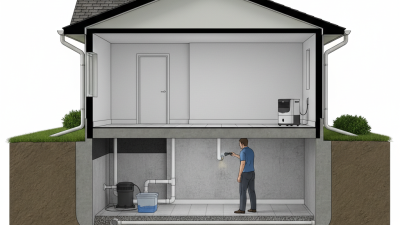
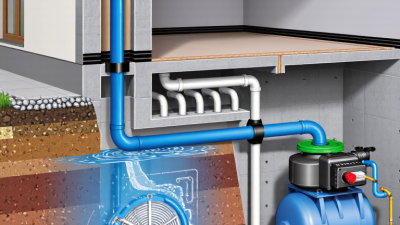
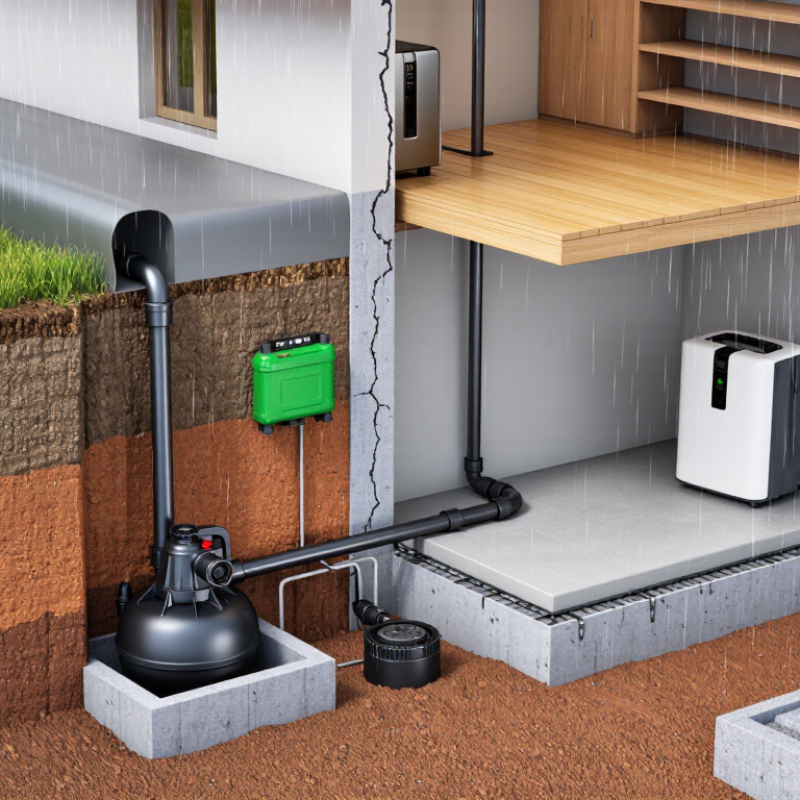
Installation quality controls long-term performance. A perimeter drainage channel should connect securely to a sump basin, with joints sealed and access points kept serviceable. The basin needs enough volume for sudden inflow. Battery or generator backup is practical where outages are common. Keep the control panel above likely flood levels. Small details matter.

Maintenance should include monthly pump testing, inlet cleaning, and inspection of check valves. Remove sediment before it hardens around the basin. Replace worn seals early. Keep a simple service record with dates, rainfall conditions, and unusual noise. Costs include excavation, electrical work, discharge piping, labor, inspections, and future replacement parts. Cheap installation can become expensive after one flooded season. Even careful estimates can miss hidden rock or damaged drainage lines. That is worth admitting. Long-term buyers should compare warranty terms, local service access, spare-part availability, and expected operating life rather than purchase price alone. Performance should be reviewed after heavy rain, not only on a dry inspection day.

Top Basement Water Solutions for Global Buyers - Planning Installation, Maintenance, Costs, and Long-Term Performance

Water-Control Solution Best Application Installation Planning Indicative Installed Cost* Routine Maintenance Typical Service Life Long-Term Performance Key Limitations
Exterior Waterproofing Membrane New construction or exposed foundation walls with recurring lateral water penetration Requires excavation to the footing, surface preparation, crack repair, membrane application, protection board, and suitable drainage backfill US$75–US$180 per m² of treated wall Inspect exposed drainage outlets and grade; keep soil and landscaping from blocking drainage paths 20–50 years when correctly installed and protected Very high
Stops water before it reaches the wall and reduces hydrostatic pressure when combined with drainage
High excavation cost; difficult or impractical where adjacent buildings, roads, or property boundaries restrict access
Interior Drainage Channel with Sump Pump Existing basements where exterior excavation is not feasible and water enters through wall-floor joints or cracks Install a perimeter channel, connect it to a sump basin, and provide a reliable discharge route and electrical protection US$60–US$150 per linear metre, including typical drainage components Test the pump every 3–6 months; clean the basin, inspect the check valve, and maintain a backup power source Drainage system: 25–50 years; pump: commonly 5–15 years High
Collects water efficiently when the sump system has adequate capacity and backup power
Does not waterproof the exterior wall; dependent on electricity, pump condition, and a legal discharge point
Cementitious Waterproof Coating Concrete or masonry walls with minor dampness, limited seepage, and a stable substrate Remove loose material, clean the surface, repair cracks, dampen the substrate as required, and apply multiple coats at the specified thickness US$15–US$45 per m² of treated surface Check for new cracks, flaking, or salt deposits; recoat damaged areas after surface preparation 5–15 years, depending on substrate movement and moisture pressure Moderate
Performs well on sound mineral substrates but has limited tolerance for structural movement
Not suitable as a stand-alone solution for active leaks, moving cracks, or significant hydrostatic pressure
Crystalline Concrete Waterproofing Dense concrete foundations, slabs, tanks, and structures requiring integral moisture reduction Requires compatible concrete, proper surface preparation, crack treatment, controlled curing, and application according to the product system US$25–US$70 per m² of treated surface Inspect treated surfaces and repair areas affected by structural movement or impact; keep joints properly sealed 20–50 years when integrated with sound concrete and joint detailing High
Can reduce water permeability in suitable concrete and remains effective within the treated cementitious matrix
Cannot compensate for major structural cracks, poorly consolidated concrete, or incorrectly designed joints
Polyurethane Crack Injection Non-structural leaking cracks in concrete walls or slabs where some moisture movement is expected Identify crack movement, install injection ports, clean the crack, inject suitable resin, and seal the surface afterward US$300–US$1,200 per crack, depending on length and access Monitor repaired cracks for renewed movement or leakage, especially after heavy rainfall or freeze-thaw cycles 5–20 years, depending on movement, chemical exposure, and installation quality Moderate to high
Flexible resin can accommodate limited moisture and movement in non-structural cracks
Does not address foundation settlement, widespread wall leakage, or the source of hydrostatic pressure
Sump Pump and Backup System Basements exposed to groundwater, seasonal water-table rise, or surface runoff entering the drainage system Size pump capacity for inflow and lift height; provide a basin, check valve, discharge line, alarm, and battery or generator backup where risk justifies it US$800–US$3,500 per complete system Test operation quarterly, clean the basin annually, inspect the discharge line, and replace batteries according to manufacturer guidance Pump: commonly 5–15 years; basin and discharge piping: 20–50 years High when maintained
Provides active water removal and greatly reduces flood risk during normal operation
Requires electricity and a suitable discharge route; pump failure can cause rapid flooding without backup protection
Positive-Side Drainage Composite New basement construction or exterior wall rehabilitation requiring drainage and protection behind backfill Install against the waterproofed wall, connect the drainage core to footing drains, protect overlaps, and prevent soil damage during backfilling US$20–US$65 per m², excluding excavation and major waterproofing work Keep cleanouts accessible and inspect discharge points; verify that landscaping does not obstruct outlets 20–50 years when protected from construction damage and UV exposure High
Relieves water pressure and directs groundwater toward the drainage system
Needs correct detailing and a functioning drainage outlet; it is not a complete waterproofing system by itself
Surface Drainage and Grading Improvements Basements affected by roof runoff, poor grading, clogged gutters, or water ponding near foundation walls Set finished ground slopes away from the foundation, extend downspouts, repair paving, and install channel drains where necessary US$500–US$5,000 per property, depending on site size and drainage work Clean gutters and downspouts at least twice yearly; maintain soil slope and keep surface drains free of debris 10–30 years, with periodic adjustment of soil, paving, and drainage components High as prevention
Reduces the volume of water reaching foundation walls and often provides the best first-line measure
Cannot solve groundwater pressure or leaks below the water table without complementary subsurface drainage
Dehumidification and Vapor Control Basements with high relative humidity, condensation, musty odors, or moisture vapor without significant liquid water Measure humidity, identify vapor sources, seal air leaks, select a continuous-drain dehumidifier, and avoid trapping moisture behind unsuitable finishes US$300–US$2,000 per room or system, excluding electrical upgrades Clean filters monthly or as needed, inspect condensate drainage, and maintain indoor relative humidity near 30–50% Dehumidifier: commonly 5–12 years; vapor-control materials: 10–25 years High for humidity control
Improves indoor air conditions but does not stop liquid water intrusion
Consumes electricity and should not be used as a substitute for structural waterproofing or drainage repairs

*Indicative installed cost ranges are shown in 2026 U.S. dollars for comparison only. Actual pricing varies significantly by country, labor rates, access, excavation depth, soil conditions, building size, local codes, drainage requirements, taxes, and structural repair needs. A site inspection and water-source diagnosis should be completed before selecting a system.