How to Pump Basement Water in 2026?
Basement flooding can turn a quiet storage room into a dangerous, muddy workspace. Water may cover electrical outlets, weaken stored materials, and hide sharp debris. In 2026, homeowners have more pumping options, including automatic sump systems, portable utility pumps, battery backups, and water-powered backups. Yet the right choice depends on water depth, power availability, discharge distance, and the condition of your drainage system.
This guide explains how to pump basement water safely and efficiently. It covers equipment selection, hose placement, power precautions, discharge routing, and cleanup after pumping. A pump should move water away from the foundation, not simply relocate it beside the house. Follow the manufacturer’s instructions and check local building requirements before installing a permanent system. If water reaches electrical equipment, shut off power only from a safe, dry location. Contact a licensed electrician when that cannot be done safely.
Small details matter. A clogged intake screen can stop a working pump. A crushed discharge hose can cause overheating. A weak battery may fail during a long outage. Do not guess.
The process is not always perfect. Heavy rain can exceed a pump’s rated capacity, and an old foundation may continue leaking after the water level falls. Photograph the damage, monitor the basement for several hours, and reconsider the drainage design if flooding returns. With practical preparation and careful decisions, you can pump basement water while reducing electrical, structural, and sanitation risks. Safety remains more important than speed.
What Causes Basement Water and When Pumping Is Necessary
How to Pump Basement Water in 2026?
What Causes Basement Water and When Pumping Is Necessary
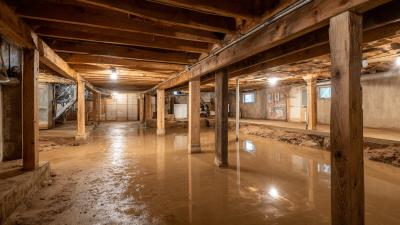
Basement water usually comes from heavy rain, poor grading, clogged gutters, or groundwater pressure. Water can also enter through foundation cracks, window wells, failed drain tiles, or a burst supply pipe. A damp corner is different from a flooded floor. The cause matters.
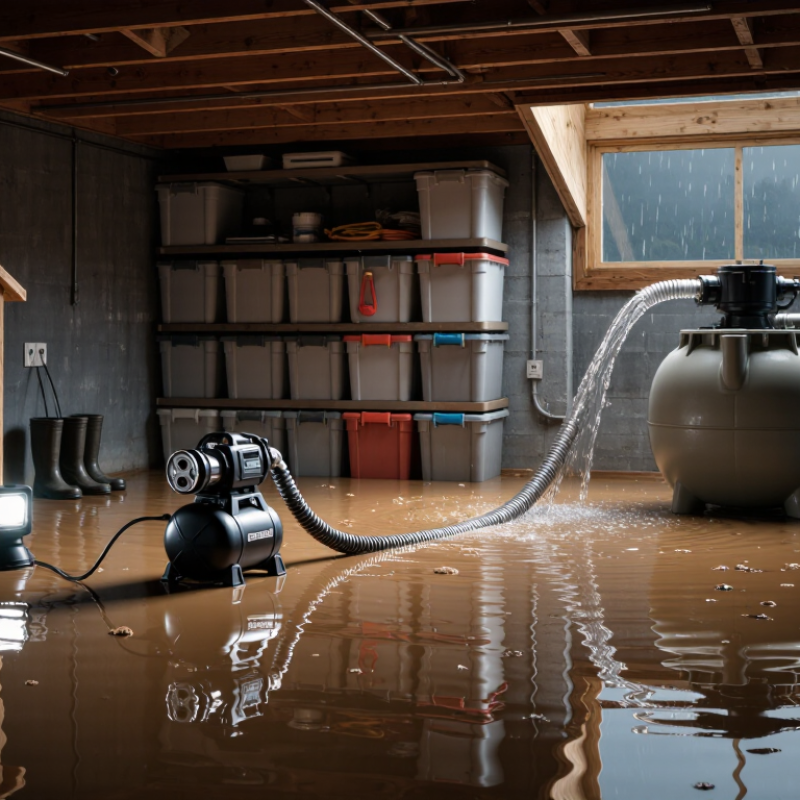
Check the water source before switching on a pump. If outlets, appliances, or electrical cords are submerged, stay out and contact a qualified electrician. Never stand in contaminated water without suitable protection. For shallow, clean water, a wet-dry vacuum may work. A submersible utility pump is better when several inches cover the floor. Place it on a stable surface, then discharge water well away from the foundation. Do not send it toward a neighboring property.
Pump immediately when water is rising, reaching stored materials, or threatening a furnace. A sump pump can control groundwater when the pit fills during storms. It cannot repair a cracked wall or stop a broken pipe. Turn off the main water valve for plumbing leaks. Call a licensed plumber for that problem.
Do not rush this part.
Basement pressure can push water through weak masonry. Removing water too quickly may worsen damage in unusual conditions, especially after prolonged flooding. That warning is easy to overlook. If the water is deep, muddy, sewage-affected, or still entering rapidly, professional assessment is safer than improvisation. After pumping, dry the room with ventilation and dehumidification, then inspect insulation, drywall, and flooring for hidden moisture.
How to Pump Basement Water in 2026?
What causes basement water, and when is pumping necessary? The chart shows the approximate amount of water standing in a 1,000-square-foot basement at different depths.
Calculation basis: 1 inch of water over 1,000 square feet equals approximately 623 gallons. Actual volume depends on the basement footprint and uneven floor levels.
How to Choose the Right Basement Water Pump in 2026
Choosing the right basement water pump in 2026 starts with accurate measurements. Check the sump pit depth, discharge distance, and vertical lift. A pump must handle both flow rate and head height. A model rated only for high gallons per hour may weaken under a tall discharge pipe. Measure twice.
Look for a pump with a dependable float switch, corrosion-resistant housing, and a properly sized check valve. The switch should move freely without touching the pit wall. Choose a backup power option if storms often cause outages. Battery capacity matters more than advertised runtime, especially during long rainfall. An alarm can warn you before water reaches the floor.
Tips: Match the pump’s flow chart to your actual pipe layout. Use a discharge line with few sharp bends. Test the pump by adding clean water to the pit. Listen for grinding, repeated cycling, or delayed shutoff. Keep the pit covered, but never block ventilation around the motor.
I once underestimated the effect of a narrow discharge pipe. The pump worked, yet water rose slowly during heavy rain. That mistake taught me to inspect the entire system, not just the pump label. Replace damaged wiring promptly, and keep connections above possible flood levels. If your basement receives unusual water volume, ask a qualified drainage professional for an on-site assessment.
How to Prepare a Basement for Safe Water Removal
Before pumping basement water in 2026, make the area safe for entry. Do not step into standing water near outlets, appliances, or electrical panels. Turn off power only from a dry location. If you cannot reach the main switch safely, call a qualified electrician or emergency service. Water may hide live wires, broken glass, or unstable flooring.
Wear waterproof boots, gloves, eye protection, and a properly fitted mask. Check whether the water came from rain, a burst pipe, sewage, or chemicals. Contaminated water needs professional handling, not a household pump. Look at walls, ceilings, and support posts for cracks, bulging, or movement. Leave immediately if the structure seems unstable. Small details matter.
Move valuables upward, but avoid carrying heavy boxes across wet floors. Use a pump designed for the water depth, and keep its power connection away from puddles. Route the discharge away from the foundation, following local drainage requirements. Pumping too quickly can stress basement walls when outdoor soil remains saturated. A slower removal may be safer. I used to view speed as the main goal. That was incomplete thinking. After pumping, photograph damage, increase ventilation, and remove wet materials promptly. Hidden moisture behind insulation can support mold growth within a short time. Check the basement again after drying, because dampness often returns overnight.
How to Pump Basement Water Step by Step
Before pumping, identify the water source. A burst pipe, heavy rain, and groundwater need different repairs. If water reaches outlets, appliances, or electrical panels, leave the area immediately. Shut off power only from a dry, safe location. Never stand in pooled water while handling electrical equipment. Wear rubber gloves, waterproof boots, and eye protection, especially when the water looks dirty.
Place a submersible utility pump at the lowest visible point. Set it on a stable, flat surface so mud does not block the intake. Connect a strong discharge hose, then direct the outlet away from the foundation. Check that the hose cannot kink or slip back indoors. Start the pump and watch it for several minutes. Do not leave it unattended. I once underestimated how quickly a hose could shift, and the water returned across the floor.
Pump slowly near walls and support columns. Removing water too fast can increase pressure differences around some foundations. Stop and seek professional advice if walls crack, floors rise, or doors suddenly stick. When only a thin layer remains, use a wet-dry vacuum or a small manual pump. Dry the room with fans and ventilation after removing standing water. Photograph damage before cleaning, and inspect stored materials for mold. If the source remains unclear, consult a licensed plumber or structural specialist. Safety matters more than speed.
| Step | Task | What to Check | Recommended Method or Equipment | Key Data and Practical Guidance | Safety Requirement |
|---|---|---|---|---|---|
| 1 | Assess the source and depth of the water |
|
Use a flashlight, measuring tape, and a visual inspection of walls, drains, pipes, and floor areas. | Stop pumping temporarily if the water is rising rapidly or if the source cannot be controlled. A fast-rising basement may require emergency assistance. | Do not enter the water if the source is unknown, contaminated, or connected to a possible electrical hazard. |
| 2 | Disconnect electrical hazards |
|
Have a qualified electrician or emergency professional shut off power when the electrical disconnect is in or near the flooded area. | Water and electricity can create a lethal shock hazard even when the water appears shallow. | Never walk through standing water to reach a circuit breaker, outlet, or appliance. |
| 3 | Select the pumping method | Choose equipment based on water depth, debris level, available power, and the distance to the discharge point. |
|
Submersible pumps are designed to operate in water. A standard dry vacuum should not be used for liquid removal unless it is specifically rated for wet operation. | Use only equipment rated for the intended application and inspect cords, plugs, hoses, and connections before use. |
| 4 | Position the pump correctly | Place the pump on a stable, level surface in the lowest accessible area without blocking the intake. | Set the pump in a shallow collection area or on a stable platform designed for wet environments if the pump requires clearance from sediment. | Keep the pump intake away from mud, gravel, fabric, and loose debris. Debris can clog the intake and reduce flow. | Do not stand in the water while positioning equipment unless the area has been confirmed electrically safe by a qualified professional. |
| 5 | Route the discharge hose |
|
Use a hose compatible with the pump outlet and secure the end so it cannot move unexpectedly. | Shorter and straighter hose runs generally reduce flow resistance. Discharge water away from the building, neighboring property, wells, and stormwater inlets where local rules prohibit it. | Do not discharge water onto a sidewalk, roadway, electrical equipment, or an area where it can flow back toward the foundation. |
| 6 | Start pumping and monitor the operation | Confirm that water is leaving through the hose and that the pump remains upright and unobstructed. | Operate the pump according to its instructions. Use a ground-fault circuit interrupter (GFCI)-protected power source when electricity is safely available. | Check the pump at frequent intervals for unusual noise, overheating, loss of flow, clogged intake, or hose movement. Never leave temporary pumping equipment unattended for long periods. | Keep electrical connections dry and elevated above the flooded area. Do not use damaged cords or improvised connections. |
| 7 | Finish removing residual water | Continue until only a thin film or small isolated puddles remain, provided the pump can operate safely at that level. | Use a wet-rated vacuum, squeegee, mop, or towels for the final layer of water. | Many submersible pumps cannot remove every last millimeter of water. Residual moisture should be removed promptly to reduce mold and material damage. | Wear waterproof gloves and boots suitable for the water condition. Treat sewage-contaminated water as a biological hazard. |
| 8 | Dry and disinfect the basement | Inspect drywall, insulation, flooring, stored items, and wooden structures for saturation, swelling, odor, or visible mold. | Increase ventilation with fans and use a dehumidifier when safe electrical service is available. Clean hard, nonporous surfaces with an appropriate disinfecting product. | Drying should begin as soon as possible. Porous materials that remain wet may need professional assessment or removal, especially after sewage or floodwater exposure. | Never operate fuel-burning generators, heaters, or pumps indoors because carbon monoxide can accumulate rapidly. |
| 9 | Inspect and prevent future flooding | Look for foundation cracks, blocked gutters, failed sump equipment, leaking supply lines, poor grading, and clogged floor drains. | Arrange repairs or professional inspection for structural damage, sewage intrusion, recurring groundwater, or a failed drainage system. | Keep gutters and downspouts clear, direct downspouts away from the foundation, test the sump system periodically, and keep a backup pumping plan available. | Document the damage with photographs and contact the relevant insurer, utility provider, or local authority when required. |
How to Prevent Future Basement Flooding and Pump Failures
How to Pump Basement Water in 2026?
Preventing basement flooding starts before water reaches the sump basin. Inspect the basin every few months. Remove mud, gravel, and leaves from the inlet openings. A blocked inlet can make a working pump look defective. Test the float switch by lifting it slowly. The pump should start without grinding, hesitation, or unusual vibration.
Check the discharge pipe outside the house. It should release water several feet from the foundation. Keep the outlet clear of snow, soil, and frozen debris. A secure check valve prevents discharged water from returning to the basin. However, every valve can eventually stick. Listen for repeated cycling after heavy rain. That pattern often signals a blocked pipe or a failing valve.
Power loss remains a major cause of basement flooding. Install a secondary pump with a separate power source. Test its battery or backup system on a fixed schedule. Replace aging batteries before severe weather arrives. A high-water alarm adds another layer of protection. It should be loud enough to hear from sleeping areas. Still, alarms need testing too.
One lesson I keep relearning is simple: equipment fails when neglected. Keep a written inspection record with dates, test results, and unusual sounds. Ask a qualified drainage professional to inspect persistent seepage, cracked discharge lines, or repeated pump failure. A pump removes water. Proper grading, sealed wall cracks, clean gutters, and working downspouts reduce how much water enters.
Related Posts
-
How to Stop Basement Water Leaks?
-
Top Basement Water Solutions for Global Buyers
-
How to Choose the Right Sewage Ejector Pump for Your Home in 2025
-
Understanding Sump Pumps in Basements: Key Statistics and Trends for Homeowners in 2023
-

What is the Best Drainage Products for Effective Water Management?
-

Top Drainage Products to Buy in 2026 for Global Buyers?