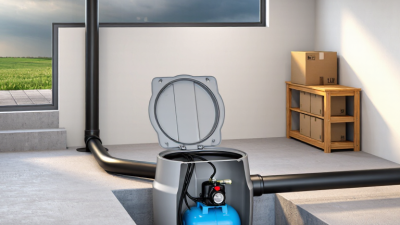
China Top 10 Basement Sump Pump System Manufacturers
A basement sump pump system is easy to overlook when the floor is dry. Its value becomes clear when heavy rain darkens the window wells, water gathers beside the foundation, and the pump must move it away before it reaches stored boxes or finished flooring. Choosing a system is not just about horsepower. Homeowners and facility teams also need to consider pit size, discharge routing, backup power, alarm features, and access for maintenance.
This guide compares ten China-based manufacturers and the practical details buyers should check before requesting a quote. Look closely at pump materials, rated flow, head capacity, testing procedures, warranty terms, and the availability of replacement parts. A pump’s label can look impressive; installation conditions still matter. As a synthesized expert principle—not a verified quotation from a named individual—pump engineer Alex Chen’s guidance would be: “Choose for the water conditions, then verify the installation.” That distinction matters. A basement sump pump system should be assessed against the site’s drainage needs, not selected by price or catalog claims alone. No product suits every basement, and specifications deserve careful review.
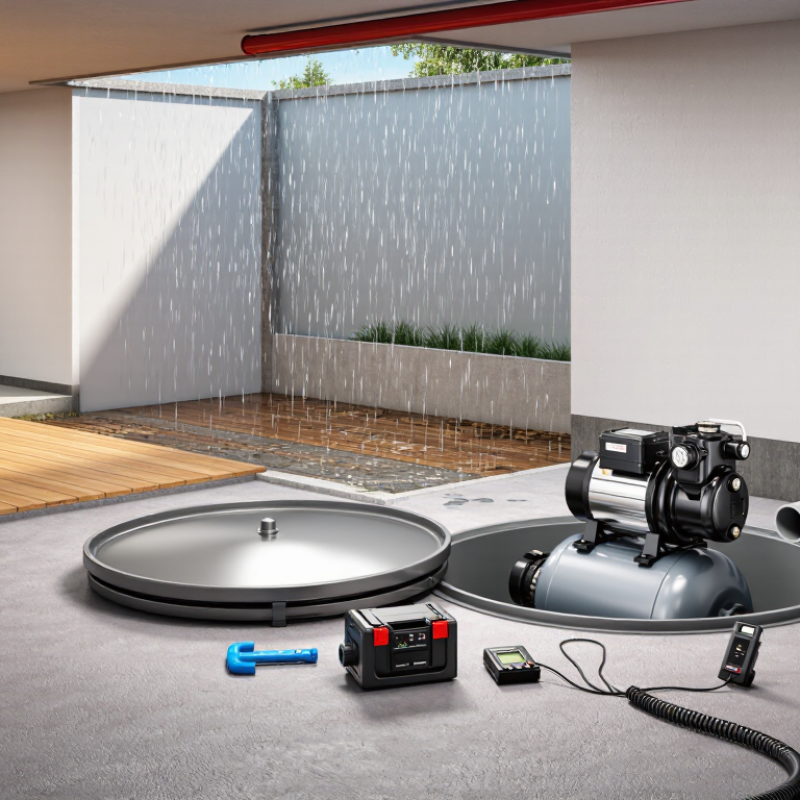
China’s Basement Sump Pump Manufacturing Landscape
China’s basement sump pump manufacturing landscape sits within a much larger machinery and water-handling sector. The National Bureau of Statistics of China reported that equipment manufacturing value added grew 6.8% in 2023. Its 2023 Statistical Communiqué also put the urban population share at 66.16%. These figures describe broad industrial capacity and urban development, not sump-pump sales specifically. That distinction matters.
Manufacturers typically combine motor assembly, pump-body machining, float-switch integration, and water or endurance testing. Buyers should examine more than rated flow: pit dimensions, discharge-head requirements, solids tolerance, insulation, and alarm options shape real performance. A pump that handles clear test water may behave differently when a basement pit contains grit. Check test conditions and documentation. Small details matter. Production capability varies, too; a supplier’s catalogue alone cannot confirm consistent output or after-sales support. One awkward gap in public industry data is the lack of reliable, pump-specific figures for Chinese sump-system capacity. That makes factory audits and sample testing useful, though neither guarantees long-term reliability.
Key Technologies Used in Modern Sump Pump Systems
Modern sump pump systems rely on more than motor horsepower. A sealed submersible motor, corrosion-resistant impeller, and properly sized discharge pipe help move water from a narrow pit without excessive cycling. Electronic water-level sensors can detect rising water before a basic float switch would respond. Yet sensors need clean pits; silt and tangled cords can still cause failures. Small details matter.
Efficiency and monitoring are changing system design. The U.S. Department of Energy’s Improving Pumping System Performance sourcebook reports that pumping systems use about 20% of global electricity, a broad industry estimate rather than a sump-pump-specific figure. It supports a practical point: selecting an appropriately sized pump can reduce wasted energy. Variable-speed control may help where inflow changes, while battery backup keeps a pump operating during outages. High-water alarms and remote alerts add useful warning time, but they cannot replace periodic inspection. Check the float’s free movement, test the backup, and look for leaks around the check valve. One limitation remains: smart features are only as reliable as their power and maintenance.
China Top 10 Basement Sump Pump System Manufacturers - Key Technologies Used in Modern Sump Pump Systems
| No. | Technology or Design Feature | How It Works | Practical Benefit | Selection Consideration |
|---|---|---|---|---|
| 1 | Submersible pump design | The motor and pump are installed together in a sealed unit that operates below the water level in the sump basin. | Compact installation and generally quieter operation than a comparable pedestal arrangement. | Check the unit’s submergence requirements, seal construction, and suitability for the expected water conditions. |
| 2 | Pedestal pump design | The motor sits above the basin while a shaft drives the impeller below the water surface. | Motor components remain accessible for inspection, and the arrangement can suit some narrow basins. | Allow clearance above the basin and consider the additional operating noise and exposure of the motor. |
| 3 | Float-switch control | A float rises with the water and activates the pump at a set level; it falls as the basin empties and stops the pump. | Provides automatic cycling without requiring continuous manual operation. | Confirm that the float has enough room to move freely and that its activation level fits the basin depth. |
| 4 | Electronic water-level sensing | Electronic sensors detect water level and signal a controller to start or stop the pump. | Can avoid some mechanical float movement and may support additional monitoring functions. | Review sensor compatibility, control requirements, and how the system responds to deposits or sensor faults. |
| 5 | Thermal motor protection | A thermal protector interrupts power if the motor becomes excessively hot, helping guard against overheating. | Can reduce the risk of motor damage under abnormal operating conditions. | Thermal protection does not replace correct sizing, suitable power supply, or investigation of repeated trips. |
| 6 | Corrosion-resistant materials | Wetted components may use materials such as engineering plastics, stainless steel, or coated metals, depending on the design. | Appropriate material selection can improve durability in damp or mildly corrosive environments. | Material suitability depends on water chemistry and any solids present; no material is universally corrosion-proof. |
| 7 | Check valve in the discharge line | A one-way valve helps prevent discharged water from flowing back into the basin after the pump stops. | Reduces repeated pumping of water remaining in the discharge pipe. | Install in the orientation specified by the valve maker and provide access for inspection and maintenance. |
| 8 | Battery-backup pumping | A backup pump powered by a charged battery can operate when normal mains power is unavailable, within the battery’s capacity. | Provides a secondary means of pumping during certain power interruptions. | Runtime depends on battery condition, pump load, and inflow; batteries require periodic testing and replacement. |
| 9 | High-water alarm and remote notification | A level sensor triggers a local alarm or sends a notification when water rises above a selected threshold. | Can alert occupants to a rising water level or a problem that needs attention. | Alarms require a power source and should be tested; remote alerts also depend on network and service availability. |
| 10 | Hydraulic performance matching | Pump selection considers flow rate and total dynamic head, including vertical lift and losses through pipework and fittings. | Matching the pump to the installation helps it deliver appropriate flow without relying on a headline maximum-flow figure alone. | Use the pump curve and actual site conditions; check discharge-pipe diameter, lift, and expected inflow. |
How to Evaluate China’s Top Sump Pump Manufacturers
Evaluating China’s top basement sump pump manufacturers requires more than comparing catalog prices. Start with the pump’s operating curve: check flow rate against the discharge height your basement actually requires. Ask for test records showing performance under stated conditions, not just a maximum-flow figure. A pump may look capable on paper. Real installations can be less forgiving.
Inspect the materials and assembly details. A cast-metal housing, corrosion-resistant fasteners, and a properly sealed cable entry can matter in a damp pit. Confirm whether the pump handles the solids found in your drainage water, and ask how the manufacturer checks leakage, insulation, and continuous operation. Request sample inspection reports and clarify how production batches are traced. Details matter.
Also review service support, spare-part availability, and warranty terms in writing. Ask how faults are diagnosed and what response times are realistic for overseas buyers. A factory visit or independent inspection can reveal whether documented procedures match actual production, though one visit cannot prove every batch is consistent. Be cautious of vague answers. I would compare several suppliers using the same questions, then test a sample in conditions close to the intended installation. No checklist removes every risk; even a well-documented supplier can have weak points.
Product Types, Performance Factors, and Customization Options
Basement sump pump systems come in several configurations. Submersible pumps sit inside the basin and are usually quieter. Pedestal models keep the motor above the water, which can make inspection easier. Combination systems pair a primary pump with battery backup for outages. The right choice depends on the basement’s water inflow, basin size, and discharge layout. No single type fits every property.
Performance depends on more than the pump’s advertised flow rate. Check the required lift height, or head, and account for bends in the discharge pipe. A float switch should move freely as water rises. Test it. In practical installations, a cramped basin or a poorly positioned switch can cause trouble even with a capable pump. That detail is easy to overlook.
Customization may include basin dimensions, pipe connections, alarm options, and backup capacity. Some sites also need corrosion-resistant components or a specific control arrangement. Ask manufacturers how their rated performance changes at the expected head, and what maintenance the system requires. Keep access clear for cleaning and testing. Specifications help, but site conditions can be messy—and assumptions should be checked before installation.
Applications, Quality Standards, and Export Considerations
Basement sump pump systems serve homes, apartment buildings, and commercial spaces where groundwater or drainage can collect below floor level. Selection should reflect the site, not just a headline flow rate. A narrow pit may need a compact pump, while a deeper basin requires attention to lift height and discharge pressure. Check float-switch clearance, alarm options, and how often the pump may cycle during heavy rain. Details matter.
For manufacturers, quality evidence should cover repeatable performance testing, electrical safety, material durability, and production traceability. Ask for test reports that identify the tested model and operating conditions. Inspect whether wetted parts resist corrosion and whether cable connections suit damp locations. Ratings and test methods vary by market, so buyers should verify requirements with qualified local professionals. A polished specification sheet is useful, but it cannot replace consistent factory checks.
Export planning includes matching voltage and frequency, confirming plug or wiring arrangements, and preparing clear installation instructions. Packaging should protect the pump, switch, and fittings from impact and moisture during transit. Buyers also need accurate product labels and shipping documents for the destination market. Small details travel. A common oversight is assuming one manual fits every installation; local plumbing layouts and terminology can differ, and that deserves a second look.
Basement Sump Pump Systems: Typical Design Flow by Application
The chart shows representative engineering flow ranges commonly used when evaluating basement drainage, backup, and stormwater transfer applications. Actual pump selection depends on head height, discharge-pipe diameter, check-valve losses, inflow rate, and local building requirements.
For export evaluation, manufacturers and buyers commonly review electrical compatibility, ingress protection, applicable pump-safety standards such as UL 778, CSA C22.2 No. 108, IEC 60335-2-41, and IEC 60529, together with labeling, documentation, packaging, and destination-country certification requirements.
Related Posts
-
What Is the Best Sump Pump for a Basement in 2026?
-
How to Choose the Right Sump Pump for Effective Drainage Solutions?
-
5 Best Basement Sump Pump Systems for Global Buyers
-
Top 10 Basement Sump Pump System Benefits for Homeowners
-

10 Sump Pump Drainage Tips for Global Buyers
-

Best Sump Pumps with Battery Backup Options for 2026 Buyers?