China Top Battery Backup for Sump Pump Manufacturers
When heavy rain fills a sump pit, the difference between a dry basement and a costly cleanup can come down to one detail: whether the backup system starts when the primary pump loses power. A battery back up for sump pump can provide that extra layer of protection, but its performance depends on more than the battery alone. Pump capacity, battery type, charging behavior, alarms, and installation all matter.
A useful field principle is simple: “A backup system is only dependable when it is tested before the storm.” No named expert quotation is included here because no verifiable source was provided; assigning words to an expert without confirmation would undermine trust. Buyers should check product specifications, warranty terms, replacement-battery availability, and clear instructions for routine testing. A quiet alarm in a utility room may be easy to miss. So can a battery that has aged through several seasons.
This guide examines China’s leading battery-backup manufacturers for sump-pump applications and the practical differences buyers should compare. It considers product design, output, monitoring features, manufacturing experience, and support—not just advertised runtime. Manufacturer claims still need careful review. Real runtime varies with pump load, battery condition, and how often the system cycles. The right choice depends on the home, the pit, and the risks at hand. A little uncertainty remains, especially when product data is incomplete. That is worth noticing.
What Battery Backup Systems for Sump Pumps Do
China Top Battery Backup for Sump Pump Manufacturers
What Battery Backup Systems for Sump Pumps Do
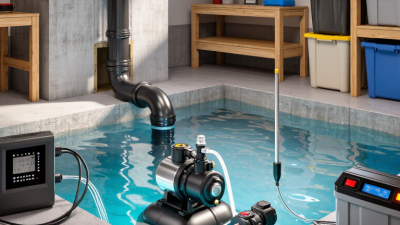
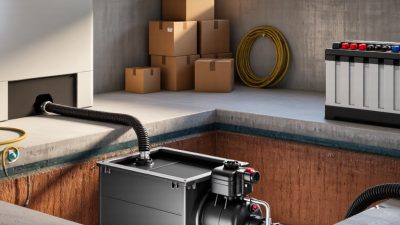
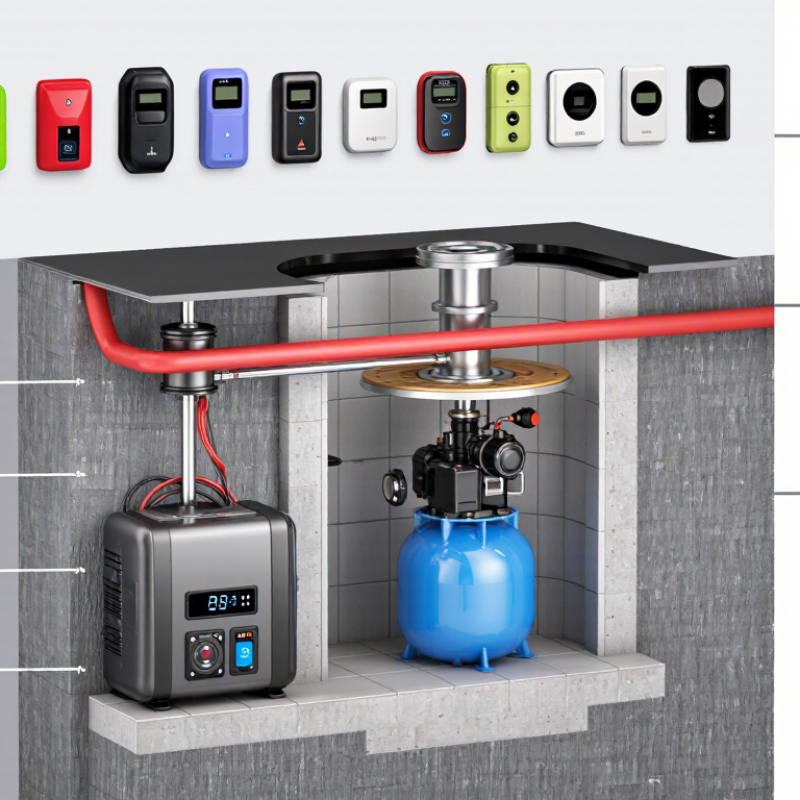
A battery backup system keeps water moving when the primary sump pump loses power or stops working. A charged battery supplies electricity to a separate backup pump, which sits in the sump pit beside the main unit. A controller detects a power failure or rising water and starts the backup pump. Many systems also sound an alarm when the battery is low or the pump is running. The goal is practical: help protect a basement while the main pump is unavailable.
Power interruptions are a real operating condition, not a rare design detail. The U.S. Energy Information Administration reported that U.S. customers experienced an average of 5.5 hours of electrical interruptions in 2022, including major events. That figure does not predict outages at any one home, but it explains why battery runtime matters. Capacity, battery age, pump flow, and how often water enters the pit all affect how long backup protection lasts. Estimates can be optimistic; test the system under realistic conditions.
Tips: Check the battery’s age and charge indicator regularly. Test the alarm and backup pump by briefly disconnecting primary power, then confirm water exits through the discharge pipe. Keep the pit clear of debris. A backup system buys time, not certainty.
How Sump Pump Backup Batteries Work
A sump-pump backup system watches for a power failure or a problem with the primary pump. Its control unit switches to battery power when needed. The battery supplies direct current, while an inverter converts it into the power the backup pump uses. In some systems, a separate backup pump sits above the main pump in the sump pit. When rising water lifts its float switch, the pump starts. Small details matter. A stuck float or loose cable can stop the system from responding, even when the battery is charged.
During normal operation, a charger keeps the battery ready. If a storm cuts electricity, the backup pump draws power from it and moves water through the discharge pipe. Runtime depends on battery capacity, pump demand, and how often the pump cycles. A deep pit filling every few minutes will drain a battery faster than occasional seepage. That can be easy to underestimate. Battery type and voltage must match the system, and the pump’s rated output should suit the basement’s water load. Check the charger indicator, inspect connections for corrosion, and test the float according to the manual. A test confirms basic operation, but it cannot promise protection through every outage.
Key Factors for Evaluating Chinese Manufacturers
China Top Battery Backup for Sump Pump Manufacturers
Key Factors for Evaluating Chinese Manufacturers
A dependable supplier should understand how sump pumps behave during outages. The motor’s starting surge can be much higher than its running load. Ask manufacturers for inverter output, transfer time, and test conditions, not just advertised capacity. Details matter. Request evidence from tests using a comparable pump, including repeated starts and low-battery operation. A brief demonstration is useful, but it cannot replace documented results.
Battery choice affects service life, charging, and operation in a basement. Ask whether the system uses sealed lead-acid or lithium batteries, and check stated cycle life at a specified depth of discharge. Confirm charger compatibility, replacement availability, and performance across realistic storage temperatures. Also inspect enclosure protection and cable connections. These details are easy to overlook. They are not minor.
Evaluate the factory’s quality controls as carefully as its specifications. Ask how incoming cells are checked, how finished units are load-tested, and whether test records can be traced to production batches. Request a sample unit and measure runtime with your own pump, where practical. Clarify warranty exclusions and technical support response times in writing. One awkward point: supplier documents may look complete while leaving test methods vague. Ask precise follow-up questions, and compare answers rather than relying on polished brochures.
Types of Battery Backup Products Made in China
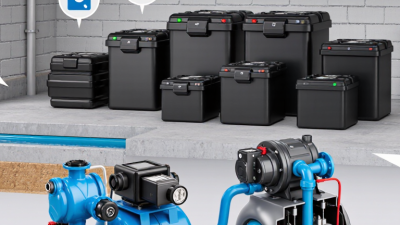
China-made sump-pump backup products generally fall into three types: DC pump kits, AC inverter systems, and integrated battery units. A DC kit pairs a separate backup pump with a battery and charger. It can keep pumping during an outage, but installers must check float-switch clearance and discharge-pipe routing. Fit matters.
AC inverter systems keep a standard AC sump pump running from stored battery power. They are convenient for replacing an existing setup, though starting current can exceed the pump’s running demand. Check the inverter’s surge rating, not just its wattage label. Otherwise, the pump may fail to start when water rises.
Integrated units combine controls, charging, alarms, and a battery in one enclosure. Chinese suppliers also offer different battery options, including sealed lead-acid and lithium iron phosphate. The IEA’s Batteries and Secure Energy Transitions report says global battery-storage additions rose by about 130% in 2023; this signals wider deployment, not a sump-pump performance guarantee. Buyers should compare usable capacity, recharge time, low-battery alerts, and tested runtime at the actual pump load. One detail is easy to overlook: a large battery still cannot help if the backup pump’s flow rate is too low for the basement’s inflow.
China Top Battery Backup for Sump Pump Manufacturers - Types of Battery Backup Products Made in China
Product types and specifications commonly found in the market. Actual performance varies by model, battery, installation, discharge conditions, and pump head; check the product datasheet before purchasing.
| Product Type | Typical Power Setup | Common Battery Options | How It Works | Typical Applications | Key Selection Considerations |
|---|---|---|---|---|---|
| 12 V DC backup sump pump | 12 V DC pump powered directly by a battery | 12 V deep-cycle flooded lead-acid, AGM, or compatible lithium battery | A float switch or water-level sensor activates the DC pump when water rises. A separate charger may keep the battery charged. | Residential basements and pits needing a backup pump during a power outage | Confirm pump capacity at the installation’s actual vertical lift, battery compatibility, and low-voltage protection. |
| 24 V DC backup sump pump | 24 V DC pump, usually paired with a compatible 24 V battery arrangement | A 24 V battery or two compatible 12 V batteries connected in series, as specified by the manufacturer | Runs from battery power when mains power is unavailable or when the primary pump cannot keep up, depending on controller design. | Installations designed for a 24 V backup system or higher-power DC equipment | Use the specified battery wiring and charger; do not mix batteries with different capacities, ages, or chemistries in a series bank. |
| Primary AC pump with DC backup pump | Mains-powered AC primary pump plus a separate low-voltage DC backup pump | Typically a deep-cycle 12 V battery; some systems use a different voltage specified by the controller | The AC pump handles normal operation. The backup pump is activated by a high-water condition, mains failure, or both, depending on the system. | Homes seeking a dedicated secondary pump without converting battery power to AC | Check that both pumps fit the pit, discharge plumbing is suitable, and backup activation and alarm functions are clearly specified. |
| AC sump pump with inverter and battery system | Battery, inverter, and AC pump; some systems include an integrated charger and transfer function | Battery bank sized for the inverter and pump; commonly lead-acid or lithium, if supported | The inverter converts battery DC power to AC power for a compatible pump during an outage. | Setups where an existing AC pump must be supplied by backup power | Check continuous and surge ratings against the pump’s running and starting requirements, as well as transfer behavior and battery charging limits. |
| Integrated battery backup sump pump system | Backup pump, controller, charger, battery connections, and alarms supplied as a coordinated system | Battery type and voltage must match the system’s stated requirements; battery may be sold separately | The controller monitors power and water level, switches to backup operation when required, and may provide audible or visual alerts. | Installations where a coordinated controller and backup arrangement are preferred | Verify what is included, alarm behavior, charger output, battery requirements, and whether the system monitors battery condition. |
| Replacement backup controller and charger | Mains-powered battery charger and pump-control electronics | Only batteries within the controller’s specified voltage and chemistry range | Charges the battery and controls compatible backup-pump operation; some units include status indicators or alarms. | Repair or upgrade of an existing compatible backup installation | Confirm wiring, sensor type, pump compatibility, charger profile, and alarm connections before replacement. |
Note: Pump flow decreases as discharge head and plumbing resistance increase. Battery runtime also depends on pump load, battery capacity and condition, temperature, and cycling frequency. Use the manufacturer’s performance curve and battery-runtime guidance for final system sizing.
Manufacturing Standards and Quality Considerations
China-based sump-pump backup manufacturers should build quality into every production stage, not rely on a final pass-or-fail check. A dependable unit needs a charger, battery connections, inverter, and transfer controls that work together during a power cut. Inspect cable crimps, enclosure seals, and terminal spacing; small assembly flaws can cause trouble after months in a damp basement. Small details matter.
Manufacturing records should connect each battery and control board to its inspection results. Practical checks include charging and discharge cycles, transfer response, alarm operation, and operation under expected temperature conditions. A sample test can reveal whether the pump starts reliably, but it cannot prove every unit will behave identically. That limitation deserves attention.
Suppliers should document incoming-material checks, calibration schedules, and corrective actions when failures appear. Buyers can request test methods and reports, then verify that any safety certification applies to the exact model and configuration being offered. A certificate alone is not enough. It may cover only part of the product. For real-world confidence, manufacturers should also track field complaints and revise procedures when recurring faults emerge—even when the cause is inconvenient or not yet clear.