2026 Best Basement Waterproofing Solutions for Global Buyers
For global buyers, choosing the right basement waterproofing solution requires more than comparing prices. Climate, soil conditions, building age, drainage design, and local construction practices all affect basement performance. A system that works in a cold Canadian suburb may fail in a humid coastal city or a region with seasonal flooding.
Larry Janesky, founder of Basement Systems and a recognized waterproofing specialist, often emphasizes a simple principle: “Water always wins.” That warning remains practical. Moisture can enter through wall cracks, floor joints, poorly sealed windows, or hydrostatic pressure beneath the slab. Small stains may become mold growth, damaged storage, and expensive structural repairs.
This 2026 guide examines reliable solutions for residential and commercial properties worldwide. It compares exterior excavation, interior drainage channels, sump pump systems, vapor barriers, crack repair, and backup power options. It also considers installation quality, maintenance access, warranty transparency, and regional weather risks.
Details matter.
A dependable contractor should inspect the foundation, identify the water source, and explain why a proposed system fits the building. Product certifications can support trust, but they do not replace experienced installation. Buyers should also request written specifications, realistic performance limits, and clear emergency procedures.
Some recommendations may need revision. No waterproofing method is perfect, and local geology can challenge even excellent designs. The strongest decision combines professional assessment, proven materials, and careful long-term monitoring. For international buyers, that balanced approach can reduce uncertainty and protect both property value and indoor comfort.
Basement Water Risks Worldwide: EPA’s 30–50% Indoor Humidity Target
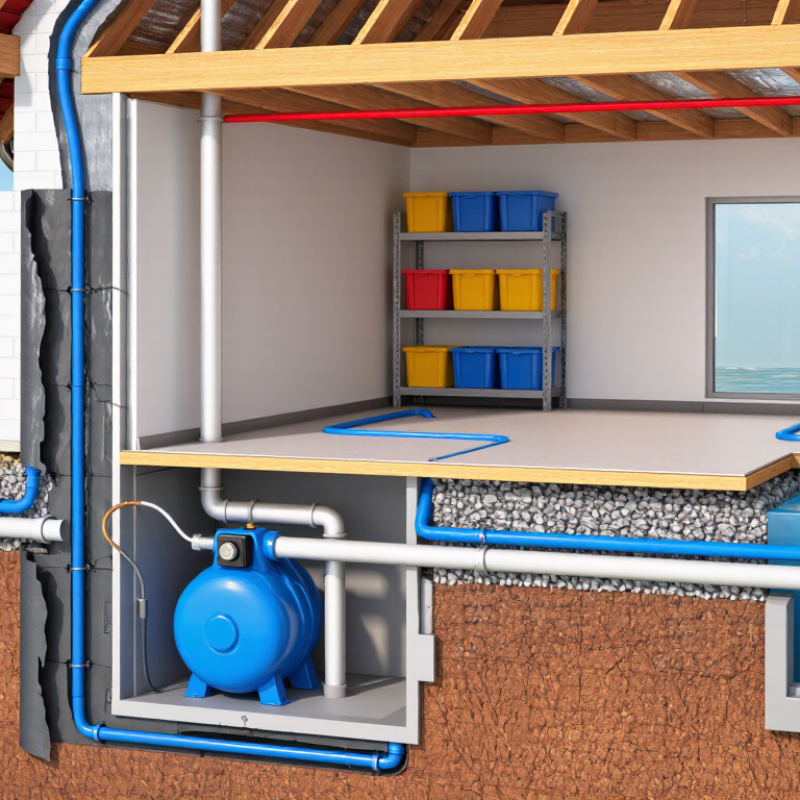
Basement moisture is a global building risk in 2026, not only a problem in rainy regions. The U.S. Environmental Protection Agency recommends indoor relative humidity between 30% and 50%. It advises keeping levels below 60% to reduce mold growth and dust-mite activity, according to EPA moisture-control guidance.
Humidity needs measurement.
A digital hygrometer should monitor air near exterior walls, storage areas, and mechanical equipment. Readings above 50% for several days suggest a control problem. A sealed dehumidifier can remove moisture, while perimeter drainage, a sump system, and repaired wall cracks address incoming water. These systems must match local rainfall, groundwater, soil, and electricity conditions. A solution designed for a dry climate may fail during monsoon seasons.
The World Health Organization’s Guidelines for Indoor Air Quality: Dampness and Mould links damp buildings with increased respiratory symptoms. EPA guidance also stresses prompt drying after leaks, because wet materials can support mold growth quickly. Yet humidity control is not a cure-all. Cold wall surfaces may still condense moisture below 50% room humidity. That is an easy detail to miss.
Professional inspections should record humidity, surface temperature, drainage performance, and visible staining. Homeowners should request written measurements, maintenance intervals, and post-repair verification. Waterproofing products alone cannot correct poor ventilation or persistent plumbing leaks. Local building practices also deserve scrutiny, especially where basements were never designed for occupied living.
Site Diagnosis: IRC R405.1 Drainage Rules and ASTM D5957 Testing
For global buyers, basement waterproofing should begin with site diagnosis, not product selection.
IRC R405.1 generally requires foundation drainage where a basement or below-grade habitable space is enclosed. Local amendments may change the details. Soil, groundwater, slope, and discharge conditions must be reviewed by a qualified professional.
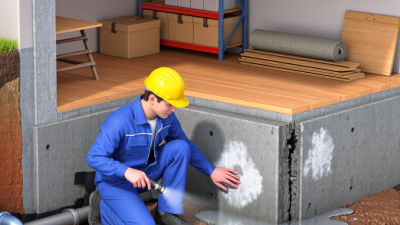
Look closely at the excavation. Record soil layers, wall cracks, footing elevations, and existing drain outlets. A perforated foundation drain needs a suitable filter layer and a reliable discharge path. Sump equipment may help, but it cannot correct poor grading or blocked drainage. Water should move away from the foundation, not collect beside it.
Small details matter.
ASTM D5957 addresses flood testing for horizontal waterproofing installations. It is not a complete test for wall drainage or foundation design. After membrane installation, controlled water exposure can reveal seepage around seams, penetrations, and transitions. The project specification should define test areas, water depth, monitoring time, and acceptable results.
Do not treat a quick hose test as equivalent evidence.
A dry wall can still hide moisture behind finishes. That is easy to miss. Infrared scanning may support inspection, but it does not replace moisture measurements or visual checks. One practical weakness remains: drainage drawings often assume ideal soil conditions. Real sites are less cooperative. Findings should be photographed, logged, and compared with code requirements and the tested installation.
Exterior Waterproofing: Drainage, Membranes, and IRC-Compliant Grading
Exterior waterproofing begins with water control at the soil line. Excavation should expose the foundation wall without damaging nearby utilities. The finished ground should slope away from the basement, not toward it. Under commonly adopted IRC guidance, grading often falls 6 inches within the first 10 feet. Local amendments may differ, so a qualified inspector should confirm the requirement.
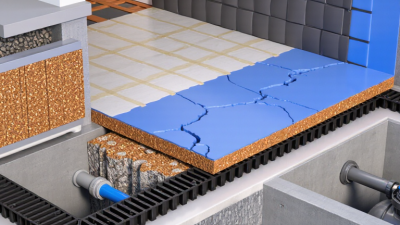
A perimeter drain can collect water beside the footing. Washed gravel, filter fabric, and properly connected discharge points help prevent clogging. The discharge must not flood adjacent property or return toward the foundation. The wall membrane should cover cracks, joints, and penetrations continuously. Small gaps around pipes can become major leaks.
Details matter most.
From field experience, membranes alone rarely solve poor drainage. Roots, frozen soil, and blocked outlets can defeat a careful installation. A contractor should document soil conditions, drainage routes, and membrane protection before backfilling. Buyers in wet or cold regions should ask about frost depth and seasonal groundwater. Buyers in hot climates should consider ultraviolet exposure during construction. I have seen attractive grading fail because downspouts ended beside the wall. Regular inspection is still necessary, especially after heavy rain, settlement, or landscaping changes.
Interior Systems: Sump Pumps, Vapor Barriers, and IICRC S500 Practices
2026 Best Basement Waterproofing Solutions for Global Buyers
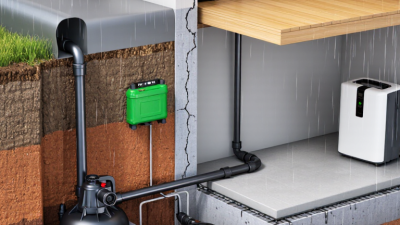
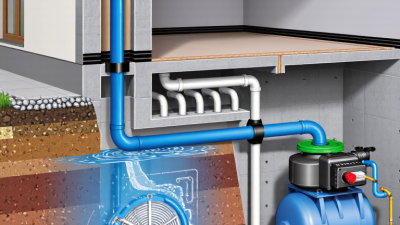
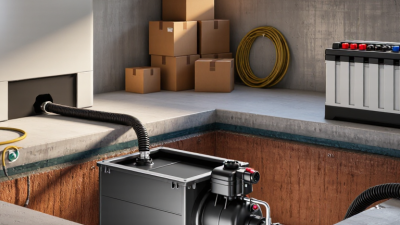
Interior waterproofing begins with controlling water pressure and indoor humidity. A properly sized sump pump removes collected water from a perimeter drainage channel. Battery or secondary pumping capacity adds protection during outages. A high-water alarm is also practical. It can warn occupants before flooding spreads.
Vapor barriers reduce moisture movement through basement walls and floors. They must be sealed at seams, penetrations, and floor joints. Poor sealing can trap moisture behind the membrane. That mistake is easy to miss. Inspectors should check wall surfaces, drainage paths, pump discharge, and electrical safety. Local climate and building construction still matter, so one design cannot suit every market.
Tips
Ask contractors to document moisture readings before and after work. Follow IICRC S500 practices when water damage requires professional restoration. These practices support water classification, drying plans, equipment placement, and clear records. Technicians should monitor temperature, humidity, and material moisture, not simply run fans.
Keep the pump basin accessible for testing. Confirm that discharge water moves safely away from the foundation. Review maintenance instructions in the buyer’s language when possible. Imported equipment may have different electrical requirements. Verify compatibility before installation. A complete system may still fail if maintenance is ignored. That part deserves more attention.
Global Buyer Checklist: Warranties, Standards, Climate Data, and Lifecycle Cost
For global buyers, basement waterproofing should be checked like a building system, not a single product. Request a written warranty covering materials, labor, drainage performance, and transfer conditions. Check exclusions for hydrostatic pressure, flooding, soil movement, and neglected maintenance. A ten-year term means little if repairs require a certified installer unavailable in your region. Ask for service response times.
Use recognized local building codes and independently documented test results. Standards differ across markets; confirm membrane thickness, drainage capacity, electrical safety, and fire performance with a qualified consultant. Do not accept vague “international quality” language. It proves nothing. Request installation records, inspection reports, and references from similar climate zones.
Climate data changes the specification. Compare rainfall intensity, annual groundwater levels, freeze-thaw cycles, humidity, and projected extreme events. A system designed for mild rain may fail during short, violent storms. Price the full lifecycle: excavation, pumps, backup power, inspections, cleaning, energy use, and likely replacement intervals. Get these costs in the same currency and time period. I would also ask for a five-year maintenance schedule, with photos of access points and discharge routes. Small details matter.
The imperfect part is forecasting. Climate records can be incomplete, and soil reports may represent only one season. Use conservative assumptions, record them, and request a second opinion before approval. Cheap installation is not cheap when a finished basement must be opened again.