What Is a Sump Pump Backup System and How Does It Work?

A sump pump backup system keeps water moving when the primary pump stops, loses power, or cannot handle incoming flow. That failure can start quietly: rain taps against a basement window, water gathers in the sump pit, and the pump falls silent during an outage. A battery-powered backup can activate automatically; a water-powered model uses municipal pressure. Either way, it is a second line of defense—not a guarantee.

The risk is measurable. NOAA’s 2023 Billion-Dollar Weather and Climate Disasters report recorded 28 U.S. events that year, including severe storms and flooding. FEMA also warns that just one inch of floodwater can cause significant damage to a home. Plumbing and heating expert Richard Trethewey is often associated with practical advice on home water systems; a useful way to express the principle is: “Test the backup before the storm, not during it.” That sentence is a reminder, not a substitute for a verified manufacturer’s procedure. Check the battery, float switch, alarm, and discharge line, and confirm the system suits your pit and expected water flow. Small details matter. A blocked pipe or aging battery can undo a sound installation. And no backup system removes every risk. The less comfortable question is whether homeowners test their equipment often enough. Many probably do not. A dependable sump pump backup system starts with a clear understanding of how it works—and honest attention to its limits.
What Is a Sump Pump Backup System and How Does It Work?

What a Sump Pump Backup System Is

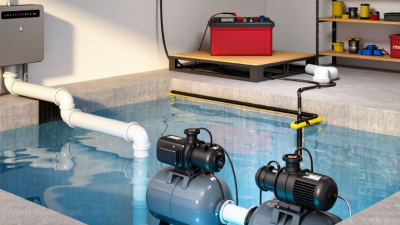
A sump pump backup system is a secondary setup that helps remove water when the primary pump stops working. It usually includes a backup pump, a separate power source, a float switch, and often an alarm. If the main pump fails or household power goes out, rising water lifts the backup float and triggers the second pump. Battery-powered models need a charged battery; water-powered models depend on suitable household water pressure. The details matter. A backup is only useful if its power source and controls work when needed.

The U.S. Energy Information Administration’s 2022 reliability data recorded about 5.5 hours of power interruptions per customer, including major events. That figure does not predict the next outage, but it shows why relying on electricity alone can be risky. FEMA’s National Flood Insurance Program notes that just one inch of floodwater can cause more than $25,000 in damage. A sump-pump backup cannot prevent every flood, but it can help limit water entering through a basement drain or foundation. Check the battery, alarm, float movement, and discharge line regularly. And be honest about the weak point: a neglected backup may fail quietly.
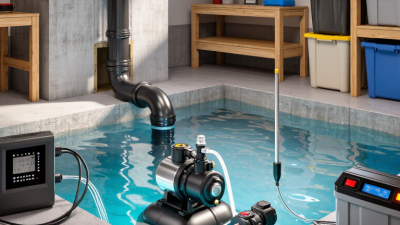
The Main Components of a Backup System

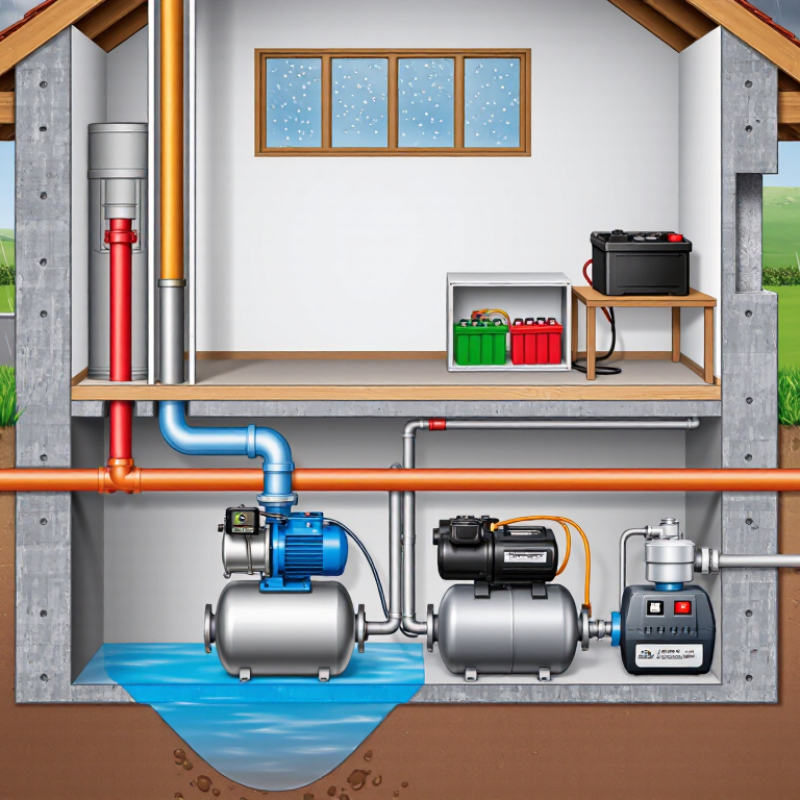
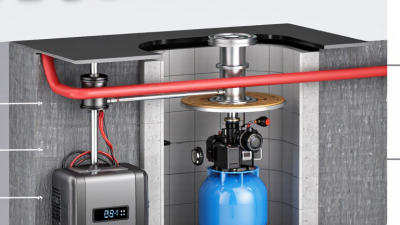
A sump pump backup system is built from several parts that must work together when the primary pump loses power or cannot keep up. The backup pump sits in the sump pit, usually beside or slightly above the main pump. A float switch or water-level sensor detects rising water and activates it. That distinction matters. The backup pump needs its own power source, commonly a rechargeable battery, plus a charger and controller that monitor battery condition. An alarm can signal a high water level, low charge, or system fault, giving someone a chance to respond.

The discharge pipe carries water away from the foundation, while a check valve helps stop discharged water from flowing back into the pit. Some installations use a separate discharge line; the right arrangement depends on the home’s plumbing and local conditions. During an outage, the controller draws power from the battery and starts the backup pump as water lifts its float. Runtime varies with battery capacity, pump demand, and how often it runs. Small details count. A neglected battery can make an otherwise sound setup unreliable, so check the charge indicator and test the system according to its instructions. It is easy to assume the alarm means protection is assured, but the pump, battery, switch, and discharge path all need to function.

How the System Detects a Primary Pump Failure

A sump pump backup system watches for rising water when the primary pump cannot keep up. In many setups, it uses a separate float switch positioned above the primary pump’s normal activation point. If water reaches that higher level, the switch signals the backup pump to start. It is a simple warning threshold, not a diagnosis of the exact fault.

The trigger may indicate a failed pump, a tripped circuit, a blocked discharge pipe, or unusually heavy inflow. Some systems also monitor power loss or pump activity and sound an alarm. Backup power often comes from a battery, though some designs use pressurized water. The arrangement varies, so check the system’s manual and test procedure.

You can hear the alarm. You can also see the waterline climb. A small test with the manufacturer’s recommended method can confirm that the float moves freely and the backup starts. Keep the pit clear of debris, and inspect the battery and discharge line regularly. A working backup reduces risk, but it cannot guarantee a dry basement—especially if its battery is weak or water enters faster than it can pump. That limitation is easy to overlook.

How Backup Power Activates the Pump

When the main power fails, a sump pump backup system keeps water moving out of the pit. Many battery systems use a separate backup pump, a charged battery, and a float switch. As water rises, the float lifts and closes an electrical circuit. The backup pump then draws power from the battery and pushes water through a discharge pipe. Some systems also detect when the primary pump stops working. A power outage alone may not start the backup; water usually needs to reach its activation level. That detail is easy to overlook.

A charger normally keeps the battery ready while household power is available. During an outage, the system switches to battery power automatically. Runtime depends on battery capacity, pump demand, and how often water enters the pit. A small pump may run for hours, but heavy inflow can drain a battery sooner. I would not assume a backup can handle every storm. Check the manual for expected runtime and alarm behavior.

Tips: Test the backup pump by lifting its float or using the test control. Keep the battery terminals clean, and replace aging batteries as specified. Listen for the alarm. A quiet system is not always a ready system.

What Is a Sump Pump Backup System and How Does It Work? - How Backup Power Activates the Pump

System part or stage What it does How backup power activates the pump Practical details
Primary sump pump Removes water from the sump pit during normal operation. Usually runs on household AC power. A float switch or electronic sensor starts it when water reaches its activation level. The backup is generally a separate pump or power source, so the primary pump can remain in place.
Backup power source Supplies energy when utility power is unavailable or the primary pump cannot operate. A common arrangement uses a charged battery and a controller. Some systems use an inverter to convert battery DC power to AC; others run a DC backup pump directly. Battery capacity, pump load, water inflow, and discharge height all affect how long the system can run.
Battery charger and monitor Keeps the battery charged and monitors its condition. While utility power is available, the charger maintains the battery. If power fails, the controller detects the change and draws energy from the battery. A charged, serviceable battery is essential. Many systems provide an audible or visual alert for low charge or a fault.
Backup float switch or water sensor Senses rising water in the sump pit. If the water rises to the backup sensor’s set level, the switch signals the controller to power the backup pump. The backup activation level is often set above the primary pump’s activation level, allowing it to respond if the primary pump fails or cannot keep up.
Backup pump starts Moves water from the pit into the discharge line. The controller supplies battery power to the DC pump or to an inverter-powered AC pump. The pump runs while the water sensor remains activated. Actual flow varies with pump design, pipe size, discharge height, and plumbing layout; check the pump’s performance chart for the installed conditions.
Water discharge Carries pumped water safely away from the foundation. The backup pump typically connects to a discharge pipe and check valve that help direct water outward and limit backflow. The discharge outlet should direct water away from the building and comply with local requirements. A frozen or blocked line can prevent effective pumping.
Power returns Restores normal operation after an outage. The charger resumes charging the battery. Depending on the system design, the primary pump takes over when its own water-level switch calls for operation. Check the battery and alarm status after an outage; a battery may need time to recharge before it can provide full backup runtime again.

Note: Backup configurations and performance vary by model and installation. Follow the equipment instructions and test the system periodically.

How Backup Systems Move Water Away from the Basement

A sump pump backup system keeps water moving when the main pump stops or loses power. Groundwater collects in a basin beneath the basement floor. As the water rises, a float switch activates the primary pump, which pushes water through a discharge pipe. If the primary pump fails, a backup unit starts at a higher water level or when it detects a power outage.

Battery-powered backups use a separate pump and stored electrical energy. Water-powered models use household water pressure to draw water from the basin and carry it toward the drain line. The route matters. The outlet should send water away from the foundation, not onto a nearby path where it can flow back. A check valve helps prevent discharged water from returning to the pit. Small parts matter. A frozen or blocked pipe can defeat a working pump.

FEMA’s National Flood Insurance Program notes that just one inch of floodwater can cause up to $25,000 in damage. That figure covers flood damage generally, not sump-pump failures, but it shows how quickly shallow water can become costly. Test the backup by raising the float or following the manufacturer’s instructions, and check the battery and discharge line regularly. Even then, a backup is not magic; a long outage may outlast its battery.

What Is a Sump Pump Backup System and How Does It Work?

A backup system provides an alternative power source when the primary sump pump cannot operate, such as during a power outage. The backup pump moves water from the sump pit through a discharge line and away from the basement.

Illustrative example: This chart assumes a steady flow rate of 10 gallons per minute, for a total of 50 gallons moved in five minutes. Actual flow varies with the pump, battery, and discharge height.