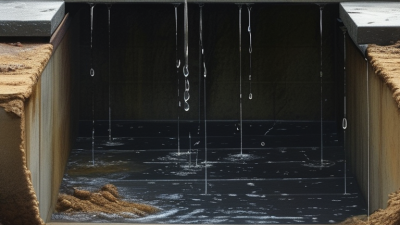
What Is the Best Basement Waterproofing Solution?
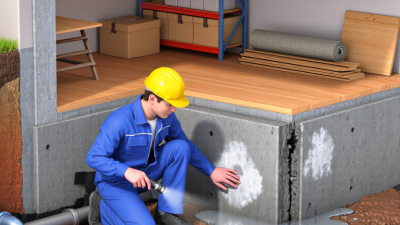
Choosing the best basement waterproofing solution begins with understanding how water enters your home. Moisture may seep through wall cracks, rise through the floor, or collect after heavy rain. A musty smell, peeling paint, and white mineral stains often provide early clues. Small details matter.
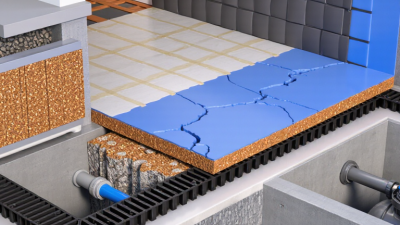
Experienced waterproofing professionals usually inspect the soil, drainage pattern, foundation, gutters, and sump system before recommending repairs. Interior drainage systems can redirect water beneath the floor toward a sump pump. Exterior waterproofing may require excavation, membrane installation, and improved grading around the foundation. Crack injection can help with certain structural or non-structural cracks, but it is not a universal fix. The right basement waterproofing method depends on the water source, foundation design, climate, and repair history.
There is no single solution that fits every property. An interior system may control recurring seepage without disturbing landscaping, while exterior work can address pressure against foundation walls. Sometimes, better downspouts solve more than an expensive repair. That is easy to overlook. Reliable contractors should explain the cause, expected performance, maintenance needs, and limitations of each option. Ask for written recommendations, clear pricing, relevant project experience, and appropriate professional credentials. Independent inspections may also be valuable when cracks widen, floors become uneven, or structural movement appears.
Even careful advice can miss hidden drainage problems. Conditions change after extreme storms. A thoughtful decision combines visible evidence, professional assessment, and long-term maintenance. The best solution protects the basement from moisture while matching the building’s actual needs and the owner’s budget.
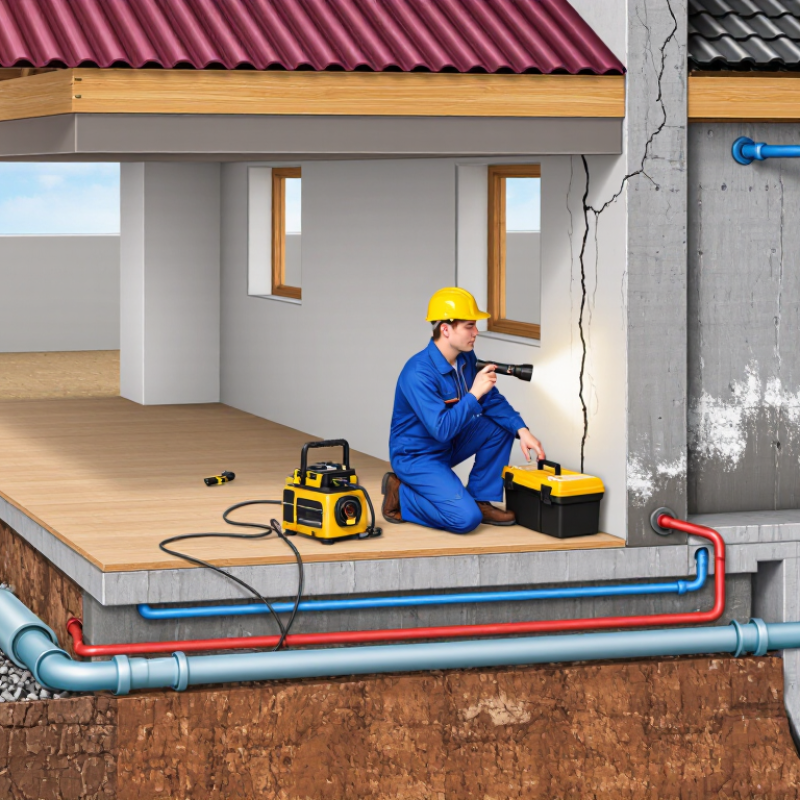
Basement Water Damage: FEMA Estimates 1 Inch Can Cost $25,000
A basement leak can become a financial emergency faster than many homeowners expect. FEMA estimates that one inch of floodwater may cause about $25,000 in damage, including ruined flooring, drywall, furniture, and electrical systems. The figure is not a promise for every basement. Still, it shows how quickly a small puddle can become a major loss.
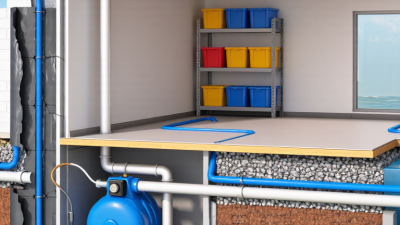
The best waterproofing solution depends on where the water begins. Exterior drainage is often the strongest long-term approach. It can include soil grading, properly directed downspouts, footing drains, and a waterproof membrane. These measures stop water before it reaches the foundation. For existing homes, an interior drainage channel with a sump pump may be more practical. The U.S. Environmental Protection Agency recommends controlling moisture, repairing leaks promptly, and maintaining indoor humidity near 30% to 50%.
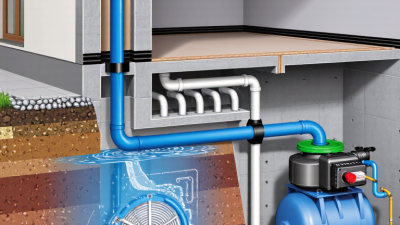
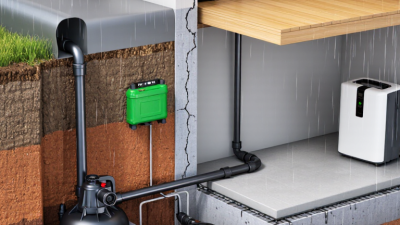
Redundancy matters. A battery-backed pump can keep working during a power outage. A sealed sump cover can reduce humidity and odors. According to FEMA flood guidance, building materials and utilities should be protected from future water exposure whenever possible. Yet no system is flawless. A pump can fail, soil can settle, and a hidden crack may reopen. I would inspect gutters, discharge lines, wall joints, and pump alarms after heavy rain. That extra check feels ordinary. It may prevent an expensive surprise.
What Is the Best Basement Waterproofing Solution?
Basement Water Damage: FEMA Estimates 1 Inch Can Cost $25,000
FEMA estimates that one inch of floodwater in a home can cause approximately $25,000 in damage. This illustrates why preventive measures such as proper drainage, sump-pump protection, foundation sealing, and regular maintenance can be financially important.
Diagnose the Source: Runoff, Hydrostatic Pressure, or Condensation
Water entering a basement does not always come from the wall. Start outside, during or after rain, and watch the path. One inch of rain on a 1,000-square-foot roof can create about 623 gallons of runoff, according to the University of Georgia’s Rainwater Harvesting: An Overview report. Blocked gutters or short downspouts can send that volume beside the foundation. Soil may then press water through cracks, joints, or porous masonry. Hydrostatic pressure rises with depth, reaching approximately 0.433 pounds per square inch for every foot of water. That pressure is small on paper, but persistent.
Look for clues before choosing a waterproofing method. Dampness near the floor, white mineral deposits, or water after storms often indicates runoff or hydrostatic pressure. A musty smell without visible leaks may suggest condensation. The U.S. Environmental Protection Agency recommends keeping indoor relative humidity between 30% and 50% to reduce moisture problems. Use a hygrometer, inspect cold pipes, and compare wall temperatures with room air. A basement can feel wet while testing dry at one moment. That is the frustrating part. Condensation often appears on cool concrete, not through it. Fans alone may hide the symptom. A dehumidifier can help, but it cannot correct poor grading or groundwater pressure. EPA moisture-control guidance supports managing bulk water, drainage, and indoor humidity together rather than treating one symptom.
Compare Exterior Waterproofing Under IRC R406.2 With Interior Drainage
Exterior waterproofing is the stronger defense when excavation is practical.
Under IRC R406.2, below-grade walls require waterproofing where severe soil-water conditions or hydrostatic pressure exist. The system belongs on the outside face. It should include a continuous membrane, sealed penetrations, protected insulation, and a functioning footing drain. Free-draining backfill matters too. A perfect membrane can still fail when water has nowhere to go.
The Insurance Information Institute’s analysis of ISO claims found that water damage and freezing caused 29% of homeowners’ claims from 2017 through 2021. The average claim reached about $12,514.
Basement moisture deserves attention. Efflorescence, peeling paint, and a persistent earthy smell are useful warning signs.
Interior drainage is often less disruptive and more affordable. It collects water after entry, then directs it toward a sump system. However, it does not stop wall saturation or repair exterior cracks. That limitation is easy to overlook. A careful inspection should identify soil pressure, groundwater, wall movement, and drainage conditions before choosing either method.
Tips:
Ask for a written water-management plan. Confirm local IRC adoption and required permits. Check whether the footing drain is blocked before adding an interior channel. Photograph cracks after heavy rain. If excavation is rushed, the repair may look complete but perform poorly. Truthfully, no method fits every basement.
Select Sump Pumps, Grading, and Drainage Based on IRC R405.1 Requirements
What Is the Best Basement Waterproofing Solution?
IRC R405.1 points to a complete drainage strategy, not one magic product. Where groundwater may create hydrostatic pressure, foundation drains usually belong beside the footing. Perforated pipe should sit in clean, free-draining material and connect to an approved discharge route. A sump pump becomes important when gravity drainage cannot safely carry water away.
Start outside the basement. Finished grading should slope away from the foundation, limiting rainwater near the walls. Downspouts need extensions or another approved outlet. Small low spots can defeat an otherwise careful system. They often look harmless after dry weather. They are not harmless during a storm.
Inside the sump basin, choose a pump based on flow, lift height, and discharge length. A secondary pump or emergency power source can reduce risk during outages, but it does not correct poor drainage design. R405.1 requirements can vary with the locally adopted IRC edition and site conditions, so a qualified professional should verify the plan. I would not trust a pump labeled “heavy duty” without testing its actual performance. Waterproofing work sometimes fails because everyone watches the pump and forgets the pipe.