China Top 10 Backup Sump Pump System Manufacturers
A reliable back up sump pump system can help protect a basement when the primary pump loses power or cannot keep pace with rising water. For homeowners, contractors, and distributors, choosing a manufacturer involves more than comparing product photos. Pump capacity, backup power options, alarms, controls, and service support all affect performance when the pit begins to fill.
This guide introduces ten manufacturers in China that produce backup sump pump systems or related components. It considers practical factors such as product range, manufacturing experience, quality-management processes, customization, and export support. Details matter. A polished catalog alone cannot show how a pump behaves during a long outage, or how quickly replacement parts can be supplied. Buyers should confirm current specifications, test records, warranty terms, and applicable certifications directly with each supplier.
The list is a starting point, not a guarantee or a universal ranking. Factory capabilities and product lines can change, and a system suited to one basement may be unsuitable for another. Check the expected inflow, discharge height, pit dimensions, and available battery space before comparing models. Ask how alarms operate and what maintenance the backup requires. That is not enough. Installation quality and routine testing matter too. No directory can replace careful product checks, and even a well-reviewed supplier may not fit every project. The profiles ahead aim to make that evaluation clearer, while leaving room for buyers to verify claims and question assumptions.
What a Backup Sump Pump System Is and How It Works
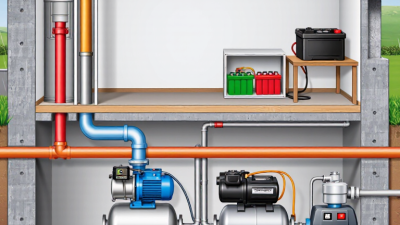
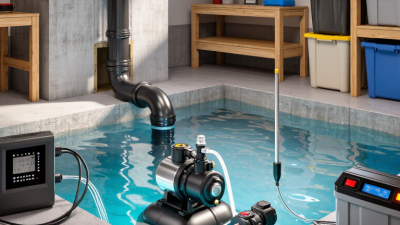
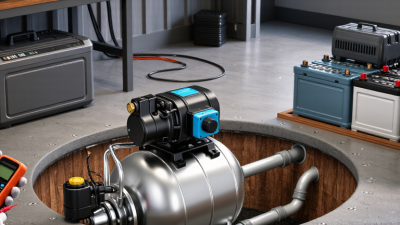
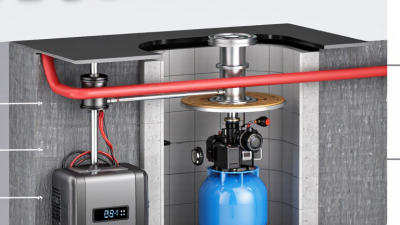
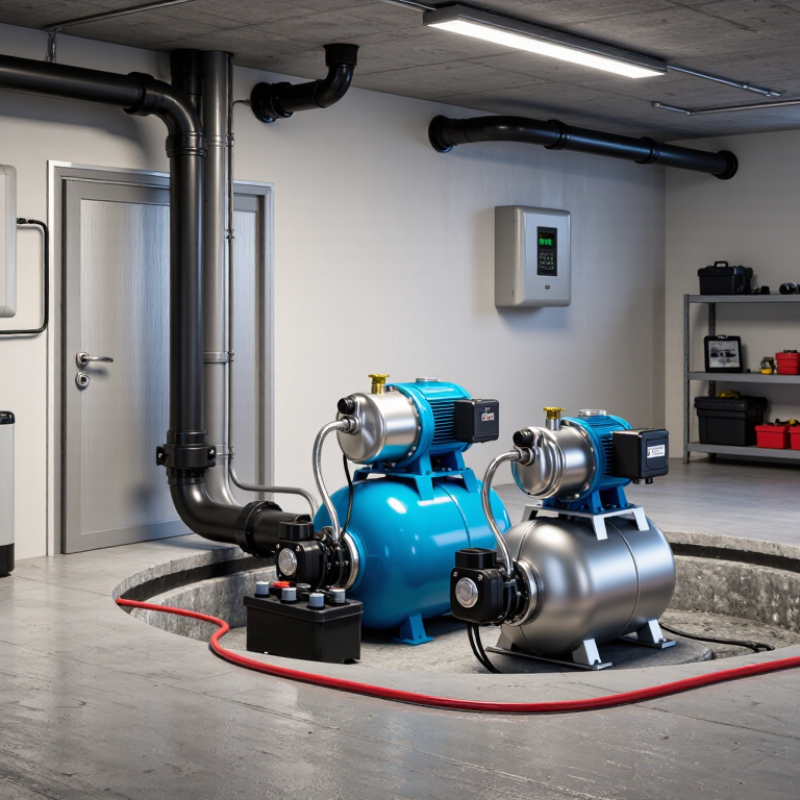
A backup sump pump system is a secondary pump installed in or beside the sump pit, where groundwater collects. If the primary pump loses power or cannot keep up, a float switch detects rising water and activates the backup. Battery-powered models use a charged battery to run a DC pump; water-powered models use household water pressure. The pump sends water through a discharge pipe, while a check valve helps prevent it from flowing back. Simple in principle. Installation details matter.
The system buys time during storms and outages, but it cannot prevent every basement flood. FEMA’s National Flood Insurance Program guidance estimates that one inch of floodwater can cause about $25,000 in damage to a home. That figure shows why early activation matters. Performance depends on battery condition, pit size, pump capacity, discharge-line layout, and the height water must be lifted. A backup unit also needs a safe outlet for water; otherwise, it may send water back toward the foundation.
Tips: Test the float switch and pump with water, not just the test button. Check the battery terminals and charger regularly, and replace the battery according to its service guidance. A neglected battery is an easy weakness to miss. Keep the discharge outlet clear of leaves and ice, and confirm it drains away from the house.
Main Types of Backup Sump Pump Systems Made in China
Main Types of Backup Sump Pump Systems Made in China
China-made backup sump pump systems generally fall into four practical types: battery-powered DC units, water-powered units, generator-supported AC pumps, and hybrid systems. Battery models use a float switch and a 12- or 24-volt pump to move water when the main pump loses power. They are compact, but their runtime depends on battery capacity, charge condition, and discharge rate. Water-powered systems use household water pressure instead of stored electricity. They need a suitable water supply and may use more water during operation. Generator-supported pumps can run longer, though generators require safe placement and regular testing. Hybrid models combine power sources, adding flexibility but also more components to maintain.
The Insurance Information Institute’s homeowners insurance data for 2018–2022 reports that water damage and freezing accounted for 22.6% of claims, with an average claim of $12,514. This figure is not specific to sump-pump failures, but it shows why backup planning matters. In practice, system selection should match pit dimensions, expected inflow, discharge height, and the likely length of an outage. A pump that looks adequate on paper may struggle with a long vertical discharge run.
Tips: Test the backup pump with water, not just its power switch. Check battery age, alarm operation, and discharge flow. Small details get missed. Keep the manual nearby, and record test dates; even careful owners sometimes forget.
China-Made Backup Sump Pump Systems: Main Types
Functional comparison of common backup sump pump configurations. A value of 1 means the feature is typically required or included; 0 means it is not inherent to that configuration.
Criteria for Evaluating Chinese Backup Sump Pump Manufacturers
When evaluating Chinese backup sump pump manufacturers, compare verified performance, not brochure claims. Request pump curves showing flow at realistic discharge heads, plus battery runtime measured under load. A unit rated at 50 gallons per minute may deliver far less through a long, narrow discharge line. Ask for dated test reports, alarm functions, corrosion-resistant materials, and documented quality controls. Check whether replacement batteries and control boards are available, and confirm warranty terms in writing.
Risk data helps explain why these details matter. NOAA’s 2023 Billion-Dollar Weather and Climate Disasters report recorded 28 U.S. events with losses of at least $1 billion. FEMA also warns that one inch of floodwater can cause more than $25,000 in home damage. These figures are not pump-performance guarantees; they show why dependable backup and clear fault alerts deserve careful review. For suppliers, assess production capacity, traceability, export experience, and how they handle failed batch tests. Some factories share certificates but not test conditions. That gap matters.
Tips: Ask for a witnessed test using your expected lift height and discharge pipe size. Verify runtime with a fully charged battery, then repeat with an aged battery. Small detail, big difference. Compare at least two suppliers, and record every promised specification before ordering.
Profiles of Ten Leading Backup Sump Pump System Manufacturers in China
China’s backup sump pump manufacturers vary in more than quoted flow rate. This profile compares ten suppliers through motor design, battery options, control alarms, and factory testing. Buyers should ask for pump curves at specific lift heights, not just maximum capacity. A pump moving water on a bench may perform differently in a narrow pit with a rising discharge line.
The World Meteorological Organization’s Atlas of Mortality and Economic Losses from Weather, Climate and Water Extremes (1970–2019) reports that floods and other weather-related hazards accounted for 50% of recorded disasters. This is not a pump-market forecast, but it explains why dependable backup matters.
Look for clear test procedures, corrosion-resistant components, and support for replacement batteries. Small details count. A float switch that sticks can defeat a powerful motor.
The gap is real. Some factory claims also need independent verification, especially when performance data omit battery age or discharge height.
Profiles should therefore distinguish documented capabilities from sales language, while noting where evidence remains thin.
How to Compare Manufacturers for Different Project Requirements
A reliable comparison starts with the project, not a factory’s headline capacity. Measure the sump pit, discharge-pipe diameter, vertical lift, and expected inflow during heavy rain. Ask each manufacturer for a pump curve showing flow at your actual lift; maximum flow alone can be misleading. A basement with a long, narrow discharge run needs different performance from a shallow pit with a short outlet. Request battery runtime estimates at the expected pumping rate, too. Real runtime may differ with battery age, temperature, and cycling frequency.
Check how each manufacturer controls quality. Request production test records, component specifications, warranty terms, and references for similar installations. Ask whether the system includes a high-water alarm and clear battery-status indicators. For a rental property, straightforward maintenance and locally available replacement parts may matter more than extra features. For a site with frequent outages, ask about recharge time and repeated-cycle testing. I would not choose on price alone; still, paying more does not automatically prove better reliability. Compare written evidence against your site conditions.
Tips: Send every supplier the same project details and request a matching quotation. Compare rated flow at lift, battery capacity, alarm functions, service response, and warranty exclusions side by side. Keep the answers. Some details will remain uncertain, so record assumptions before selecting.