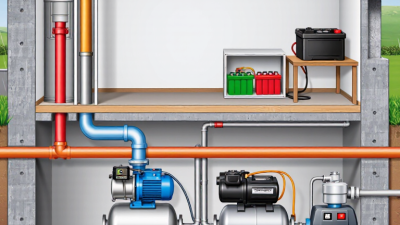
Top Backup Power Options for Sump Pumps
A sump pump can sound reassuring until a storm knocks out the power. Then water may collect around the pit, inch by inch. FEMA’s flood-damage guidance estimates that one inch of water can cause about $25,000 in damage to a home. That figure is an estimate, not a prediction for every basement, but it shows why backup planning matters.
The best back up power for sump pump protection depends on the home, the pump, and the likely outage. Battery systems can switch on automatically and suit many homes, though their runtime depends on battery capacity and pump demand. Water-powered backups offer another option where municipal water pressure and local plumbing conditions allow. Portable generators can run pumps for longer periods, but require safe outdoor placement and regular checks. Standby generators may provide broader coverage, with higher installation costs.
This guide compares those options by runtime, setup, maintenance, and cost. It also covers practical details people sometimes miss: checking the pump’s starting watts, testing alarms, and replacing aging batteries. A backup unit is not a guarantee. Pumps can clog, batteries can weaken, and heavy inflow can exceed capacity. That is worth remembering. A little testing before storm season can reveal problems while the basement is still dry.
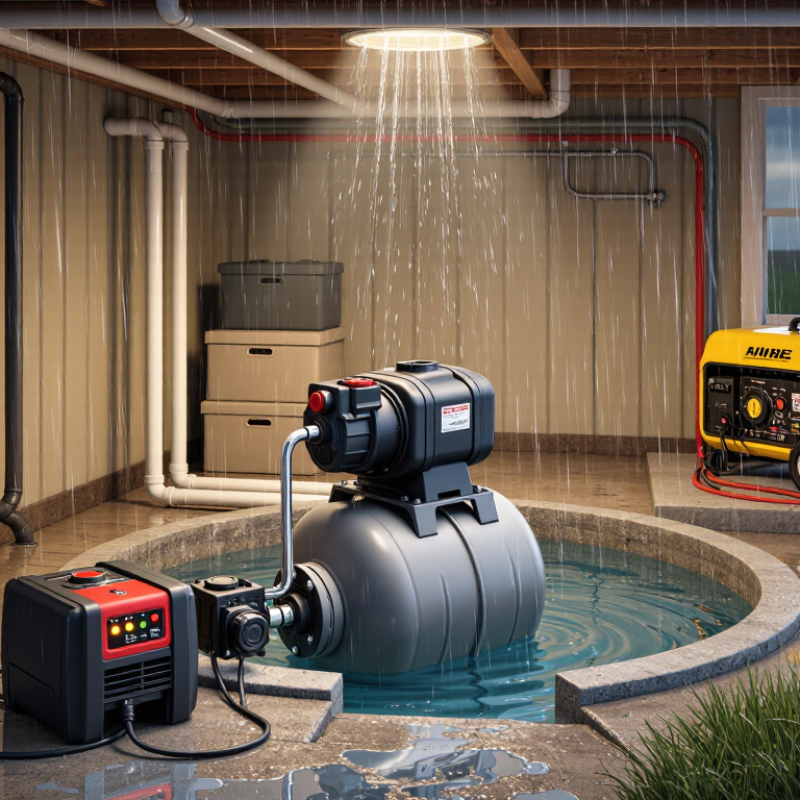
How Sump Pump Backup Power Works
A sump pump backup system keeps water moving when household power fails. The usual setup pairs a charged battery with a secondary pump, often mounted beside the primary unit. When the main pump stops, a float switch senses rising water and activates the backup. The handoff is automatic, but not magic. The backup pump draws from its own power source, so it can run while the home’s electrical circuit is down. Some systems use a dedicated direct-current pump; others use an inverter to supply an alternating-current pump.
Runtime depends on battery capacity, pump draw, water lift height, and how often water enters the pit. A battery that looks adequate on paper can drain quickly during repeated storms. Check the pump’s current requirements and the backup system’s usable capacity, not just its peak output. Test the float switch with water, inspect terminals for corrosion, and confirm the alarm can be heard from living areas. Small details matter. A generator may recharge a battery or power a compatible pump, but it must operate outdoors, away from doors and windows. Never run it indoors. Water-powered backups rely on municipal pressure, so performance varies with pressure and plumbing. It is easy to assume backup means uninterrupted protection; it does not. A stuck float or blocked discharge line can still let the pit rise.
Top Backup Power Options for Sump Pumps
Estimated battery-backup runtime at a 10-amp pump draw
Estimates assume a 12-volt pump drawing 10 amps and 80% of nominal battery capacity being usable. Actual runtime varies with pump load, battery condition, temperature, and system losses. Generators and water-powered backup pumps are alternatives whose run time depends on available fuel or municipal water pressure.
Battery Backup Systems for Sump Pumps
Battery backup systems keep a sump pump running when storms interrupt household power. The risk is measurable: the U.S. Energy Information Administration reported about 5.5 hours of power interruptions per customer in 2022, including major events. Even a short outage can matter when water is entering the pit.
A battery system usually includes a separate DC pump, charger, battery, and float switch. Check that the pump can handle your pit’s inflow and discharge height, not just the primary pump’s advertised capacity.
Compare battery capacity, pumping rate at the actual discharge height, and recharge time. Runtime claims can be misleading; they depend on pump cycling, battery age, and water flow. A deep-cycle battery is commonly used, but it still needs inspection and replacement over time.
FEMA warns that just one inch of floodwater can cause up to $25,000 in damage to a home. That makes maintenance worthwhile.
Test the float switch and alarm before storm season, and confirm the discharge line is clear. One overlooked detail: a backup pump cannot help if its battery is already depleted.
Water-Powered Backup Pumps
Water-powered backup pumps use municipal water pressure to lift water from a sump pit when electricity fails. A venturi mechanism drives the discharge, so the system does not depend on a charged battery. That can help during a long outage. But it only works when pressurized water remains available; homes relying on electric well pumps may lose that supply too.
FEMA’s National Flood Insurance Program warns that one inch of floodwater can cause up to $25,000 in home damage.
This is a broad flood-damage estimate, not a measure of damage prevented by sump pumps. Still, it puts backup planning in perspective. Water-powered units also consume tap water, and their pumping rate varies with household pressure and plumbing layout.
Check the manufacturer’s flow requirements, and ask a plumber to assess backflow protection and discharge capacity before installation. Test the system with water in the pit, not just a quick visual check. A quiet test is reassuring. Yet it cannot guarantee performance during a real storm, when municipal pressure may change.
Generators as a Backup Power Source
A portable generator can keep a sump pump running when storms cut household power. The risk is real: U.S. Energy Information Administration reliability data reports an average 5.6 hours of customer interruptions in 2022, excluding major-event days. Check the pump’s nameplate and manual before choosing a generator. Its motor may need substantially more power to start than it uses while running. A unit sized only for running watts may stall when the float switch activates. Test the setup with water in the pit, not just an empty pump. That detail is easy to miss.
Tips: Add the pump’s starting wattage to any other loads you need, then confirm the generator can handle the combined demand. Keep a tested, outdoor-rated extension cord ready if direct connection is unavailable. FEMA and the U.S. Consumer Product Safety Commission advise operating portable generators outdoors, at least 20 feet from doors, windows, and vents, with exhaust pointed away. Install working carbon monoxide alarms. Never run a generator in a basement, garage, or enclosed porch.
A generator still needs fuel, maintenance, and someone present to start it. During a long outage, that can become the weak link. Store fuel safely, follow the generator maker’s instructions, and arrange a properly installed transfer switch if connecting to household wiring. A qualified electrician can confirm the setup suits the pump and home.
Top Backup Power Options for Sump Pumps - Generators as a Backup Power Source
| Generator option | Typical power range | Best suited for | Key advantages | Important considerations |
|---|---|---|---|---|
| Portable inverter generator | About 1,000–3,000 watts | One sump pump and a small number of essential loads | Relatively quiet, portable, and generally fuel-efficient at lighter loads | Confirm that starting capacity can handle the pump’s surge; power output varies by model. |
| Conventional portable generator | About 3,000–8,000 watts | A sump pump plus selected household essentials | Often provides more capacity for pump startup and additional appliances | Usually louder and less portable than smaller inverter units; manage total connected load. |
| Dual-fuel portable generator | Commonly about 3,000–10,000 watts, depending on fuel and model | Homes seeking a choice between gasoline and propane | Fuel flexibility can help when one fuel is unavailable | Output and runtime can differ by fuel; store fuel safely and follow the manufacturer’s instructions. |
| Propane-powered standby generator | Often about 7,000–22,000 watts for residential systems | Frequent outages or backup for multiple home circuits | Can start automatically when installed with compatible transfer equipment | Requires professional installation, maintenance, and an adequate fuel supply. |
| Natural-gas standby generator | Often about 7,000–22,000 watts for residential systems | Homes with a suitable natural-gas connection and recurring outage risk | Does not require routine gasoline refills during operation | Availability depends on the gas supply; output, installation needs, and local requirements vary. |
| Diesel generator | Varies widely; portable and standby units are available | Longer outages where diesel fuel and suitable equipment are available | Can be suitable for sustained operation when correctly sized and maintained | Consider noise, emissions, maintenance, and safe fuel storage. |
Sizing note: Check the sump pump’s nameplate and manufacturer specifications for running watts and starting requirements. Generator output and runtime depend on the specific model, fuel, load, and operating conditions. Operate fuel-burning generators outdoors, well away from doors, windows, and vents, and use a properly installed transfer switch or other approved connection method.
How to Choose and Maintain a Backup System
Choosing a backup starts with the pump, not the battery. Read the pump’s nameplate for running watts, then allow for the higher surge needed when its motor starts. Match the backup system to that load and the likely outage duration. A battery unit is quiet and automatic, but runtime depends on battery capacity and how often water enters the pit. A standby generator can run longer, yet needs safe outdoor placement and regular servicing. The U.S. Energy Information Administration reported an average of 5.6 hours of power interruptions per customer in 2022. That is an average, not a storm forecast. A low-lying home may need more reserve.
Maintenance matters. Test the float switch with water in the pit, confirm the pump starts, and check that the discharge line is clear. Inspect battery connections for corrosion, and replace batteries according to their service guidance. A green indicator alone is not convincing. Test the backup under load, not just by pressing its test button. For portable generators, the U.S. Consumer Product Safety Commission advises operating them at least 20 feet from the home, with exhaust directed away from doors and windows. Keep fuel and equipment dry, and follow the manual. Small checks matter. Record test dates and any weak starts; an imperfect log is still better than relying on memory.
Related Posts
-
What Is a Sump Pump Backup System and How Does It Work?
-
What Is the Best Battery Backup for a Sump Pump?
-
China Top Sump Pump Backup Battery Manufacturers
-
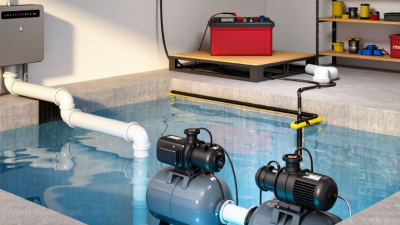
What Is a Backup Sump Pump and How Does It Work?
-
2026 Top Battery Backup Sump Pump Types to Buy?
-
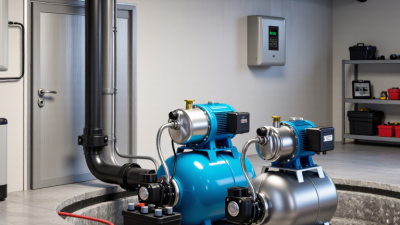
China Top 10 Backup Sump Pump System Manufacturers